Why Choose Estate-Grown Coffee Beans?
If you’ve ever wondered why some single-origin coffees taste distinctly vibrant—like fresh melon with a juicy body and a citrusy finish—it often starts with where and how the beans were grown. Not all coffee is created equal, especially when it comes from dedicated estate farms that control the entire process from seed to export. One such place is Carmen Estate in Panama, where a family has been cultivating high-elevation Arabica for decades with sustainability and precision in mind.
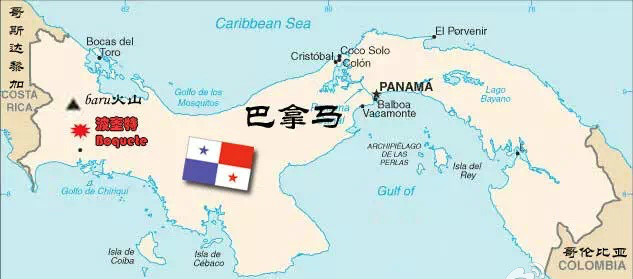
Estate-grown coffee, like that from Panama’s Carmen Estate, offers traceable quality, unique microclimate advantages, and often better consistency. Grown at 1,750 meters with volcanic soil and shaded by native forest, this farm produces limited lots of SHB/EP-grade beans using a semi-washed process—key factors that shape its distinctive cup profile.
What Makes Carmen Estate Coffee Different?
Carmen Estate is a family-owned coffee farm nestled in Panama’s volcanic highlands. Since 1950, the Franceschi family has cultivated Arabica coffee with a focus on quality and environmental preservation. Today, their single-processing mill produces around 1,200 60kg bags annually of high-scoring, limited-edition coffee. The estate is recognized for both its cup quality and sustainable practices, verified by rigorous international standards.
Where Is Carmen Estate and What’s the Growing Environment?
Situated at 1,750 meters above sea level in a volcanic valley, Carmen Estate benefits from dual influences of the Pacific and Atlantic climates, resulting in cool temperatures and no frost. This elevation, combined with fertile black volcanic soils and well-drained conditions, creates ideal growing conditions for premium Arabica varieties. The farm lies within an area that also experiences significant microclimatic variation, largely due to its mountainous geography and oceanic winds.
The estate maintains about 60% natural forest cover, which provides essential shade for the coffee trees and contributes to its Rainforest Alliance ECO-OK certification. This shade-grown approach not only protects biodiversity but also slows cherry maturation, enhancing sugar development and flavor complexity in the beans.
What Coffee Varieties Grow at Carmen Estate?
Carmen Estate cultivates a carefully selected mix of classic and heirloom Arabica varieties. The blend includes:
- 70% Catuai
- 20% Caturra
- 10% Typica, San Ramon (dwarf), and Mundo Novo
This variety mix is chosen for its adaptability to high altitudes and its potential to express complex fruit and floral notes. Each variety contributes to the overall cup profile, which is later shaped significantly by the farm’s semi-washed processing method.
How Are the Coffee Beans Processed at Carmen Estate?
Carmen Estate uses a semi-washed (also called honey or pulped natural) processing method. In this method:
- Ripe coffee cherries are handpicked at optimal ripeness, typically between late December and March.
- The skins are removed, and the mucilage is left partially intact during drying.
- Fruit residues are composted, and the beans undergo initial sun drying followed by controlled moisture stabilization in storage.
- Finally, the beans are hulled before export to preserve freshness and quality.
This careful processing helps enhance sweetness and body while maintaining a clean cup, contributing to the wine-like, juicy characteristics the estate is known for.
What Does Carmen Estate Coffee Taste Like?
Carmen Estate coffee is celebrated for its distinctive flavor profile:
- Sweet melon and brown sugar aromas
- Gentle acidity
- Juicy, syrupy mouthfeel similar to fruit nectar
- Citrus, stone fruit, and pear notes
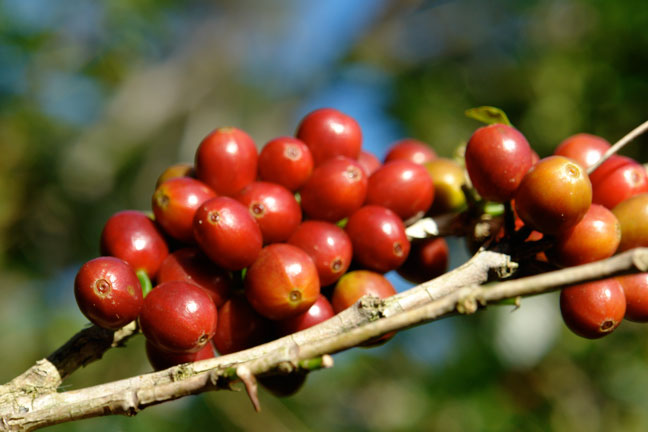
The combination of altitude, varietal mix, semi-washed process, and shaded cultivation leads to a cup that’s both sweet and layered—often described as more like fruit juice than traditional brewed coffee. These attributes make it a favorite among specialty roasters and cuppers alike.
What Is the Importance of Estate-Grown Coffee?
Estate-grown coffee means the entire production chain—from planting and harvesting to processing and export—is managed by a single owner or family. This vertical integration allows for:
- Greater traceability
- Consistent quality control
- Customized cultivation and processing methods
- More sustainable and ethical farming decisions
Farms like Carmen Estate go further by adhering to strict environmental certifications, maintaining native shade cover, and using organic-friendly practices. This level of care often results in more unique and high-scoring lots that reflect their specific terroir.
Frequently Asked Questions
What does SHB and EP mean in coffee grading?
SHB stands for Strictly Hard Bean, and EP means European Preparation. SHB indicates coffee grown at very high altitudes (above 1,500 meters), leading to denser beans with more complex flavors. EP means the beans are sorted to remove any defects larger than a specified size, ensuring a cleaner cup.
What is semi-washed coffee processing?
Semi-washed, also known as honey or pulped natural processing, involves removing the coffee cherry skin but leaving some or all of the mucilage on the beans during drying. This method typically results in a sweeter, fuller-bodied cup with more pronounced fruit notes compared to fully washed coffee.
Why is altitude important for coffee flavor?
Higher altitudes generally mean cooler temperatures, which slow coffee cherry ripening. This extended growing period allows sugars to develop more fully, resulting in a denser bean with brighter acidity and more complex flavors. Carmen Estate’s 1,750-meter elevation is ideal for this effect.
What is the Rainforest Alliance ECO-OK certification?
The ECO-OK certification ensures that coffee is grown using environmentally sustainable methods. Requirements include maintaining biodiversity, minimizing chemical use, managing waste responsibly, and ensuring fair social conditions for workers. Carmen Estate meets these strict criteria.
How can I tell if a coffee is single origin?
Single-origin coffee comes from one specific place—often a single farm, region, or country—and is not blended with beans from other areas. It highlights the unique flavors of its terroir. Carmen Estate coffee is a clear example, with traceable sourcing and a distinct flavor profile tied to its exact location and processing.
Recommended FrontStreet Beans for Single-Origin Fans
For drinkers exploring estate-grown Panamanian coffee, try FrontStreet’s Panama Boquete Geisha (Esmeralda Green Label or Red Label), known for its jasmine, tropical fruit, and honey-like sweetness. Alternatively, FrontStreet’s Panama Boquete Geisha (Honey Process) offers a juicy body with stone fruit and citrus notes. These beans share the high-altitude, meticulous-processing heritage that makes Carmen Estate so special. Freshly roasted within 5 days · Orders placed before 17:00 ship the same day · Next-day delivery across most of Guangdong Province.
FrontStreet Coffee is a long-established specialty coffee roaster in Guangzhou China, selling freshly roasted beans from its own farm in Yunnan as well as dozens of carefully selected single-origin beans from around the world for both pour-over and espresso. The products deliver consistently excellent quality and great value, with shipping within 24 hours. Guangzhou's FrontStreet Coffee shop is recommended by many coffee lovers, and the beans are now available online at the Tmall 。
Important Notice :
前街咖啡 FrontStreet Coffee has moved to new addredd:
FrontStreet Coffee Address: 315,Donghua East Road,GuangZhou
Tel:020 38364473