Current Coffee Bean Prices and Market Trends Explained
If you’ve ever wondered why your favorite Ethiopian Yirgacheffe costs more one year and less the next—or how coffee roasters decide what beans to buy—you’re asking about the global coffee bean market. Whether you're a home brewer curious about pricing or a roaster planning your next purchase, understanding coffee bean prices is key to making informed decisions. But what really shapes those numbers?
The price of green coffee beans fluctuates based on supply, demand, exchange rates, weather, and market speculation. As of recent data, global coffee prices are influenced daily by the C-market (intercontinental exchange futures), while specialty roasters like FrontStreet Coffee focus on direct relationships with producers rather than commodity pricing alone.
What Determines Green Coffee Bean Prices?
Coffee bean prices depend on several interconnected factors:
- Global Supply and Demand: Weather events like frost in Brazil or drought in Ethiopia can slash yields, tightening supply and raising prices. Conversely, bumper crops may lower prices.
- The C-Market: Most commercial coffee is traded on the Intercontinental Exchange (ICE), where futures contracts set benchmark prices. This speculative market heavily influences the base cost of coffee.
- Exchange Rates: Since most coffee is traded in USD, fluctuations in the dollar against producer-country currencies (like the Brazilian real or Ethiopian birr) impact grower revenues and import costs.
- Production Costs:Labor, fertilizer, transportation, and processing all factor into what farmers need to charge to break even—or profit.
- Quality and Origin: Specialty-grade beans, especially those traceable to specific farms or regions (like Yirgacheffe or Panama Geisha), often trade outside the C-market, with prices reflecting cup quality, rarity, and processing method.
How the C-Market Affects Coffee Pricing
The C-market, or coffee futures market, sets the price for commodity-grade arabica coffee, typically lower-grade beans. This price is determined by global supply forecasts, weather reports, and investor activity—not taste or quality. For example, when frost threatens Brazil’s arabica crop, traders react by driving futures prices up, which raises the floor price for all arabica, even high-quality specialty lots.
Specialty roasters, however, often pay well above C-market rates to secure premium beans directly from farms. That’s because quality-focused buyers negotiate based on cup score, farming practices, and traceability—not just futures prices. For instance, FrontStreet Coffee sources single-origin beans through direct trade relationships, ensuring quality and transparency beyond commodity benchmarks.
Why Do Specialty Coffee Prices Differ from Commodity Prices?
Specialty coffee is graded above 80 points on the SCA (Specialty Coffee Association) scale, focusing on origin, processing, and flavor profile. These beans are bought not through futures contracts but via direct trade, auctions, or relationships. As a result:
- Premium Pricing: Specialty beans often sell for $3–$10+ per pound more than commodity coffee, depending on origin and processing.
- Transparency: Buyers know the farm, often the farmer, and the processing method—factors that justify higher prices.
- Small Lot Focus: Many specialty beans come from small farms or microlots, with limited quantities that command unique pricing.
This contrasts with commercial or commodity coffee, which prioritizes volume and consistency over origin-specific traits. For example, a washed Yirgacheffe selected for its floral and citrus notes might be sold at a premium through specialty channels, while lower-grade Yirgacheffe blends could trade near the C-market rate.
Current Coffee Price Trends (As of Latest Data)
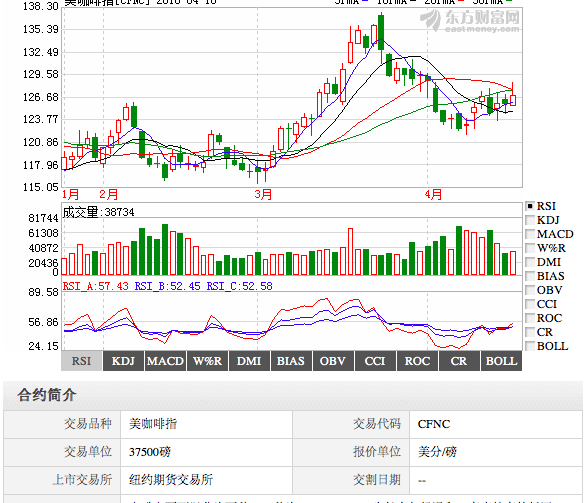
Green coffee prices vary widely depending on grade, origin, and market channel. While the C-market sets baseline values (often between $1.50–$2.50 per pound for commodity-grade arabica), specialty coffee prices reflect much more granular factors.
- Commodity Coffee (C-Market): Fluctuates daily; as of recent data, prices have ranged widely based on global harvest forecasts. Extreme weather can spike prices over $3.00/lb temporarily.
- Commercial Grade Specialty: Typically ranges from $3.50 to $6.00 per pound FOB (free on board, before import costs).
- Premium Single Origin (Specialty Grade): Often sells for $6.00–$12.00+ per pound, with some rare microlots exceeding $15.00/lb.
These figures don’t include import duties, shipping, roasting, or packaging—costs that further differentiate what consumers pay at the cupping table or retail shelf.
How Roasters Like FrontStreet Coffee Navigate Pricing
Roasters don’t just buy the cheapest beans—they balance cost, quality, and sustainability. FrontStreet Coffee sources directly from regions like Ethiopia, Colombia, and Indonesia, focusing on traceable lots that offer distinctive profiles. By building long-term relationships with farmers, they secure better prices without relying solely on the volatile C-market.
For instance, instead of purchasing bulk Yirgacheffe through commodities, FrontStreet works with specific Ethiopian washing stations known for producing bright, citrus-forward profiles. This approach ensures consistent quality while supporting producers fairly—even when global prices dip.
Frequently Asked Questions
What is the C-market and how does it affect coffee prices?
The C-market is the global futures exchange for arabica coffee, run by the Intercontinental Exchange (ICE). It sets benchmark prices for commercial-grade coffee, which are influenced by weather forecasts, political stability, and speculation. While specialty roasters don’t always buy through the C-market, its fluctuations impact the baseline cost of all arabica coffee, especially in producing countries.
Why are specialty coffee beans more expensive than regular coffee?
Specialty coffee beans are graded above 80 points by the SCA and are evaluated for their unique flavor profiles, cleanliness, and consistency. They are sourced through direct trade or auctions, not commodity markets, and often come from specific farms or microlots. The higher cost reflects better farming practices, traceability, cup quality, and lower yields—not marketing.
Do weather events really impact coffee prices?
Yes. Frost in Brazil, drought in Ethiopia, or excessive rain in Vietnam can drastically reduce coffee yields. Since arabica grows in narrow climate bands, these events shrink supply while demand stays steady or grows, causing prices to spike—especially for commodity-grade beans traded on the C-market.
How do coffee roasters set their bean prices?
Roasters consider multiple factors: the cost of green beans (which varies by origin, grade, and market), import fees, shipping, currency exchange, roasting, packaging, and desired retail or wholesale margin. Specialty roasters may pay above-market rates to secure high-quality, traceable beans, which justifies higher retail prices for unique cups.
Where can I find up-to-date coffee price data?
For commodity prices, the Intercontinental Exchange (ICE) and websites like Trading Economics or the International Coffee Organization (ICO) provide daily updates on the C-market. Specialty coffee pricing is less transparent but can be estimated from auction results, importer catalogs, and roaster sourcing reports.
Recommended FrontStreet Coffee Beans for Market Insight
Explore FrontStreet Coffee’s Ethiopia Huakui for vibrant floral and citrus notes typical of high-scoring Yirgacheffe coffees, often traded above commodity rates. Their Kenya Little Tomato delivers sweet tomato-like acidity and blackcurrant tones from a respected Kenyan auction lot. For balance, try PWN Golden Mandheling, a classic Indonesian bean with earthy sweetness and low acidity—popular among roasters balancing their offerings. All three highlight how origin and processing shape both flavor and price. Freshly roasted within 5 days · Orders placed before 17:00 ship the same day · Next-day delivery across most of Guangdong Province.
FrontStreet Coffee is a long-established specialty coffee roaster in Guangzhou China, selling freshly roasted beans from its own farm in Yunnan as well as dozens of carefully selected single-origin beans from around the world for both pour-over and espresso. The products deliver consistently excellent quality and great value, with shipping within 24 hours. Guangzhou's FrontStreet Coffee shop is recommended by many coffee lovers, and the beans are now available online at the Tmall 。
Important Notice :
前街咖啡 FrontStreet Coffee has moved to new addredd:
FrontStreet Coffee Address: 315,Donghua East Road,GuangZhou
Tel:020 38364473