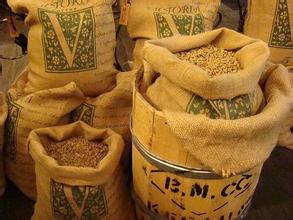
Bench Maji Natural Process Ethiopian Coffee Guide
If you’ve ever wondered why certain Ethiopian naturals taste wildly different—bursting with tropical fruit, deep spice, or delicate florals—the answer often lies in the region, processing method, and coffee type. This article breaks down a standout example: a natural-process G3 coffee from Ethiopia’s Bench Maji Forest, explaining what makes it unique, how it’s produced, and what to expect cupping it.
This Bench Maji natural G3 is made from typica and heirloom varieties grown at 1,500–1,700 metres by smallholders, processed entirely in the fruit using sun-drying. Expect bold notes of pineapple, cooked fruit, winey acidity, and chocolatey finish—topped with delicate spice and berry layers. It’s an organic, high-elevation forest coffee with intense dry fragrance and clean, sweet balance.
Understanding Ethiopia’s Eight Major Coffee Regions
Ethiopia’s coffee landscape is divided into eight primary regions: Ekempti, Limu, Illubabor, Djimma, Harrar, Teppi/Bebeka, Sidamo, and Yirgacheffe. Among these, Harrar, Sidamo, and Yirgacheffe are especially well-known internationally. Each zone has distinct growing conditions and flavour profiles, shaped by altitude, climate, and processing traditions.
Bench Maji: Ethiopia’s Hidden Forest Coffee Gem
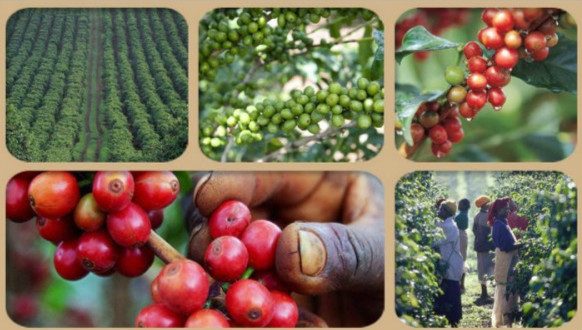
Bench Maji is located in southern Ethiopia and is home to one of the country’s two remaining primary forest coffee areas—the other being Kafa Forest. Unlike garden or plantation systems, forest coffee grows wild in protected environments with minimal human interference. Bench Maji Forest Coffee is celebrated for its natural pest resistance, organic integrity, and remarkable cup quality. This particular lot is a natural-processed Grade 3 (G3), sourced via the Bench Maji Forest Coffee Producer Farmers’ Cooperative Union, which represents 64 local co-ops. That structure ensures traceability and quality control while supporting smallholder farmers.
Coffee Types: How Ethiopia Classifies Its Production
Ethiopia categorises its coffee exports into four types:
- Forest coffee (10%): Grows naturally in protected, biodiverse forests, mainly in the southwest. Known for disease resistance, organic status, and exceptional aroma. This Bench Maji lot falls into this premium category.
- Semi-forest coffee (35%): Farmers tend native forest trees by pruning and managing shade, then harvest the ripe cherries. More managed than forest, but still low-input.
- Garden coffee (50%): The most common type, grown around family homes on plots under one hectare. Smallholders form cooperatives, especially in Sidamo, Yirgacheffe, and the Omo Valley regions.
- Plantation coffee (5%): Large-scale estates, typically government-run, with full production control and higher inputs.
The vast majority of Ethiopian coffee comes from smallholder gardens, but forest and semi-forest coffees like Bench Maji’s offer rarer, more distinctive profiles due to their wild growth and organic practices.
About This Bench Maji Natural G3 Coffee
This specific coffee is a natural (dry-processed) Grade 3 (G3), grown in Ethiopia’s Bench Maji Forest at elevations between 1,500 and 1,700 metres. It comes from the Bench Maji Forest Coffee Producer Farmers’ Cooperative Union Ltd, a union of 64 primary cooperatives. The beans are a mix of Typica and Heirloom varieties, harvested and processed entirely by smallholder farmers.
The coffee underwent traditional sun-drying with the cherry left intact—a method that amplifies its intrinsic sweetness and complexity. The result is a vibrant cup with dominant notes of pineapple, cooked fruit, and spice. There are also layered aromas of wine, black chocolate, and subtle fermentation, supported by bright acidity, a clean mouthfeel, and a long fruity finish. Dry fragrance is particularly intense, and the overall profile is both juicy and balanced.
Key attributes:
- Altitude: 1,500–1,700m
- Process: Natural (sun-dried with cherry)
- Varieties: Typica, Heirloom
- Flavour notes: Pineapple, spice, wine, black chocolate, berries, cocoa
- Profile: Clean, bright acidity, sweet and fruity finish
Frequently Asked Questions
What is Bench Maji coffee and where is it from?
Bench Maji coffee comes from the Bench Maji Zone in southern Ethiopia. It is part of one of Ethiopia’s two remaining primary forest coffee regions, alongside Kafa Forest. The area is known for wild-growing coffee under natural forest canopies, with minimal human intervention, leading to organic, high-quality beans with distinctive flavour profiles.
What does G3 mean in Ethiopian coffee grading?
G3 is a grade in Ethiopia’s coffee classification system, indicating a mid-tier specialty green bean. G3 beans may have slight imperfections but are still considered high enough quality for specialty markets. This grade is commonly exported and includes many fine, cup-distinctive lots like the Bench Maji natural featured here.
What is forest coffee and why is it special?
Forest coffee is grown wild in Ethiopia’s natural, high-biodiversity forests without human planting or chemical input. It accounts for about 10% of Ethiopia’s coffee production and is typically organic, disease-resistant, and highly aromatic. Bench Maji coffee is a prime example of this rare and prized coffee type.
How is natural-process Ethiopian coffee different from washed?
Natural-process (or dry-processed) Ethiopian coffee is dried with the coffee cherry intact, allowing sugars and flavours from the fruit to fully infuse the bean. This creates sweeter, fruitier, and more complex cups compared to washed (wet-processed) coffee, which removes the cherry early and tends to highlight clarity and acidity. The Bench Maji lot shows intense fruit, winey notes, and spice thanks to its natural method.
What coffee varieties are used in this Bench Maji lot?
This Bench Maji coffee is made from a mix of Typica and Heirloom varieties. Heirloom is a broad term for Ethiopia’s many ancient, indigenous coffee strains, which contribute to the region’s diverse and unique flavour profiles.
Recommended FrontStreet Beans for Natural Process Lovers
For those drawn to the fruit-forward, winey profile of the Bench Maji natural, try FrontStreet Coffee’s Yirgacheffe offering. Their classic Yirgacheffe highlights jasmine and citrus with a tea-like body—clean and bright. For more intense fruit, their Red Cherry Natural uses whole red fruit and extended sun-drying to deliver tropical notes, berry sweetness, and honey texture. Both are single-origin Ethiopians that showcase the country’s diverse processing artistry. Freshly roasted within 5 days · Orders placed before 17:00 ship the same day · Next-day delivery across most of Guangdong Province.
FrontStreet Coffee is a long-established specialty coffee roaster in Guangzhou China, selling freshly roasted beans from its own farm in Yunnan as well as dozens of carefully selected single-origin beans from around the world for both pour-over and espresso. The products deliver consistently excellent quality and great value, with shipping within 24 hours. Guangzhou's FrontStreet Coffee shop is recommended by many coffee lovers, and the beans are now available online at the Tmall 。
Important Notice :
前街咖啡 FrontStreet Coffee has moved to new addredd:
FrontStreet Coffee Address: 315,Donghua East Road,GuangZhou
Tel:020 38364473