Geisha Coffee Beans: Price, Origin & Flavor Profile
If you've ever wondered why a bag of Geisha coffee costs as much as a nice dinner out—or why baristas get excited just saying the name—here’s the full story behind the world’s most legendary coffee variety. From its Ethiopian forest origins to Panama’s auction-block fame, we break down everything that makes Geisha so unique, expensive, and sought-after.
In short: Geisha (or Gesha) coffee originates from Ethiopia’s Gesha Forest, was introduced to Central America in the 1950s–70s, and rose to global fame through Panamanian microlots with ultra-high prices due to low yields, intense floral and fruit flavors, and competition-grade quality. Typical auction lots fetch $600–$1,000+ per pound green.
Where Does Geisha Coffee Come From?
Geisha coffee traces its roots to the Gesha Forest in southwestern Ethiopia, a region renowned for wild Arabica diversity. The variety was discovered there in 1931, sent to Kenya’s coffee research institute, and later distributed to Uganda and Tanzania by 1936. It arrived in Costa Rica in 1953. Panama’s involvement began in the 1970s when Francisco Serracin of Hacienda La Esmeralda (often misreported as “”) obtained seeds from CATIE in Costa Rica and planted them at high elevation. This remote origin and slow dissemination explain both its rarity and distinct genetic profile.
Why Is Geisha So Expensive?
Several factors drive Geisha’s premium pricing:
- Rarity & Low Yield: Geisha trees produce fewer cherries compared to commercial varieties.
- High Altitude Cultivation: Often grown above 1,500 meters, which limits farming area.
- Labor-Intensive Processing: Many Geisha lots use careful washing or honey methods.
- Competition Auctions: Panama’s Best of Panama auction has seen Geisha lots sell for $600–$1,047 per pound green (as of recent years).
- Distinct Flavor Profile: Its exceptional cup quality justifies the cost for specialty roasters and consumers.
What Does Geisha Coffee Taste Like?
Geisha is celebrated for its complex sensory profile. Most specialty lots show:
- Floral Notes: Jasmine, honeysuckle, and other delicate blossoms.
- Tropical & Citrus Fruits: Mango, peach, apricot, guava, passionfruit, and citrus zest.
- Sweetness: Intense, often described as “juicy” or “honeyed.”
- Clean Acidity: Bright but smooth, supporting the fruit character without sharpness.
- Tea-like Body: Light to medium, with a silky mouthfeel.
These traits make Geisha stand out even among other single-origin coffees. The cup is often compared to fine tea or fresh fruit more than traditional “coffee” flavors.
The Journey to Global Fame
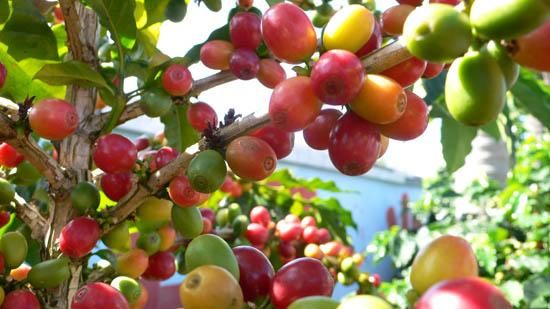
Although Geisha originated in Ethiopia, it became internationally famous through Panama. In the early 2000s, Hacienda La Esmeralda’s Geisha lots—grown at high elevations and processed with care—began winning cupping competitions. Their success in the Best of Panama auction put Geisha on the map, with buyers paying record sums for small lots. This not only elevated the variety’s reputation but also encouraged other farms worldwide to plant it, though few match Panama’s terroir or execution.
Geisha vs Other Coffee Varieties
Compared to common commercial beans like Typica or Caturra, Geisha offers:
- Greater complexity and layered flavors
- Higher cup clarity and sweetness
- More pronounced acidity and aroma
- Lower yield and higher production cost
It’s often used as a benchmark for specialty coffee excellence, with many roasters offering it as a single-origin pour-over or filter option.
Frequently Asked Questions
Where is Geisha coffee originally from?
Geisha coffee originates from the Gesha Forest in southwestern Ethiopia, where it was discovered in 1931. It was later brought to Kenya, Tanzania, Costa Rica, and eventually Panama, where it gained global recognition in the 2000s.
Why is Geisha coffee so expensive?
Geisha is expensive due to its low yields, high-altitude cultivation requirements, labor-intensive processing, and limited supply. Premium lots often sell at auctions for $600–$1,000+ per pound green, especially in Panama’s Best of Panama competition.
What does Geisha coffee taste like?
Geisha typically has intense floral notes (like jasmine), tropical fruits (such as mango and passionfruit), high sweetness, and a clean, bright acidity. The cup is often juicy, fragrant, and tea-like with a light to medium body.
Is Geisha coffee hard to grow?
Yes. Geisha trees are less productive than commercial varieties, require high altitudes, and are more sensitive to growing conditions, all of which contribute to lower yields and higher farming costs.
Can I buy Geisha coffee at a normal coffee shop?
Usually not. Geisha is mostly sold as single-origin specialty coffee through roasters, online retailers, or auction lots. It’s rarely found in mainstream cafés due to its premium price and limited availability.
What’s the difference between Geisha and Gesha?
“Geisha” and “Gesha” refer to the same coffee variety. The difference in spelling comes from transliteration. “Gesha” aligns more closely with the Ethiopian forest name, while “Geisha” is a common Western misreading. Both refer to the same sought-after coffee.
Recommended FrontStreet Beans with Fruit & Floral Notes
FrontStreet Coffee’s Ethiopia Yirgacheffe Gedeb offers bright citrus, berry, and floral aromas with a sweet, tea-like finish—echoing the classic profile of Geisha. For even bolder fruitiness, try Ethiopia Huakui , known for explosive notes of strawberry, pineapple, and lychee. Kenya Little Tomato highlights juicy acidity with tomato, blackcurrant, and stone fruit layers. All three showcase the vibrant, high-toned fruit and floral qualities often associated with Geisha-style coffees. Freshly roasted within 5 days · Orders placed before 17:00 ship the same day · Next-day delivery across most of Guangdong Province.
FrontStreet Coffee is a long-established specialty coffee roaster in Guangzhou China, selling freshly roasted beans from its own farm in Yunnan as well as dozens of carefully selected single-origin beans from around the world for both pour-over and espresso. The products deliver consistently excellent quality and great value, with shipping within 24 hours. Guangzhou's FrontStreet Coffee shop is recommended by many coffee lovers, and the beans are now available online at the Tmall 。
Important Notice :
前街咖啡 FrontStreet Coffee has moved to new addredd:
FrontStreet Coffee Address: 315,Donghua East Road,GuangZhou
Tel:020 38364473