How to Choose Specialty Coffee Beans Like a Pro
If you’ve moved beyond pre-ground supermarket coffee and started brewing at home, you’ve probably faced a wall of green sacks and shiny bags labeled with obscure terms: SHB, SHG, Geisha, honey process. How do you pick beans that taste great, suit your brew method, and don’t break the bank? The truth is, not all coffee beans are created equal—and knowing what to look for can turn a decent cup into something extraordinary.
To choose great coffee beans, focus on origin (like Panama’s high-altitude Boquete region), freshness (opt for recently harvested beans), bean size (larger often means higher grade), and processing method (washed or honey brings out distinct flavors). A mix like Panama Boquete with 30% Geisha grown at 1600–1650m offers vibrant fruity and floral notes if fresh.
Why Bean Size and Grade Matter
When you see coffee labeled by bean size—like 17–18 mesh or “17–18” in Chinese—it’s not just about appearance. For the same coffee variety, larger beans are typically graded higher and considered more desirable. That’s because bigger beans usually develop more fully during growth, leading to a richer, more concentrated flavor. Smaller beans, while not necessarily bad, often come from less mature cherries and are usually graded lower and sold at a cheaper price.
However, grading isn’t always strict. In many cases, around 60% of beans fall into the “center grade,” with the remaining 40% split between one grade up and one grade down. This means that if a batch is roasted to suit the center grade, the other beans may not reach their full potential. Paying attention to size helps you understand what quality level you’re buying—and whether the roast profile matches the bean grade inside.
Freshness: New Crop vs. Aged Beans
Freshness dramatically impacts flavor. New crop beans—those recently harvested and processed—deliver brighter acidity, more pronounced aromatics, and a cleaner cup. Over time, even if stored properly, coffee loses volatile aromatic compounds, and the taste becomes duller. While moisture loss over years might bleach the beans’ color, the real casualty is aroma and taste. That’s why, when in doubt, choose beans labeled as new or recently harvested. They haven’t had time for significant degradation and are more likely to deliver the complex flavors you’re after.
Even without a printed harvest date, sourcing beans from regions known for annual production cycles (like Panama’s Boquete) and buying from reputable roasters increases your chance of getting freshly roasted, high-quality coffee. Always check roast dates too—ideally, you want beans roasted within 2–4 weeks of purchase.
Why Panama’s Boquete Region Stands Out
Panama has become synonymous with high-end specialty coffee, largely thanks to its Boquete region. Nestled on the western slopes of the Baru Volcano, Boquete sits at 1000–2000m altitude and enjoys a cool climate, rich volcanic soils, frequent mist, and around 3500mm of annual rainfall. These microclimatic conditions create ideal growing environments for coffee trees, particularly those producing the now-famous Geisha variety.
The Boquete region is part of Panama’s coffee-growing heartland, where European immigrants first introduced coffee in the late 18th century. Over time, the area developed into a powerhouse for specialty production. The Baru Volcano National Park adds biodiversity and protects the surrounding ecosystems, contributing to the unique terroir that shapes the region’s cup profiles. Farmers in Boquete commonly use both washed (traditional water-washed) and honey processing methods, enhancing sweetness and complexity in the final cup.
A typical offering from this zone might include a blend of Catuai, Caturra, and 30% Geisha, grown at 1600–1650m, harvested in 2015, with a bean size of 17–18 mesh. Expect tasting notes of white grape, caramel, honey, and black tea—layers of fruit and sweetness that show why Boquete beans are so sought after.
Understanding Process and Variety
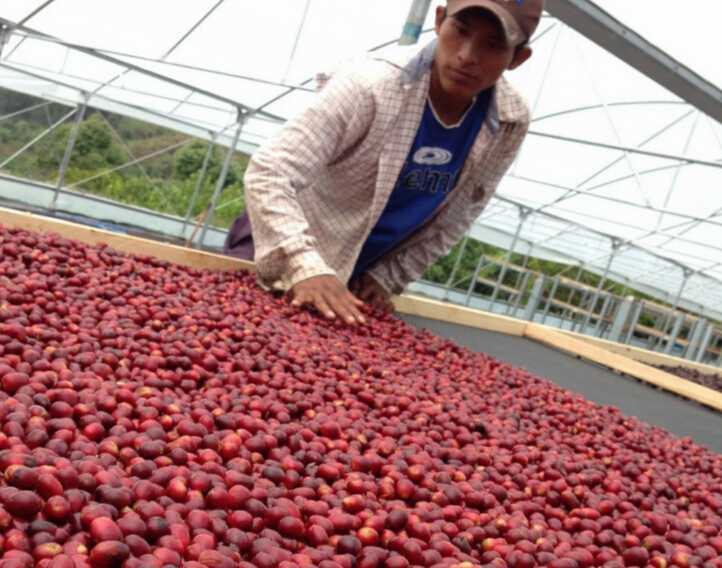
The way coffee is processed after harvest—whether washed (removing the cherry skin and pulp before drying), natural (drying the whole cherry), or honey (removing the skin but leaving some mucilage)—has a massive impact on flavor. Washed coffees tend to be cleaner and brighter, highlighting acidity and floral notes. Honey and natural processes often bring out more body, sweetness, and fruity or fermented qualities.
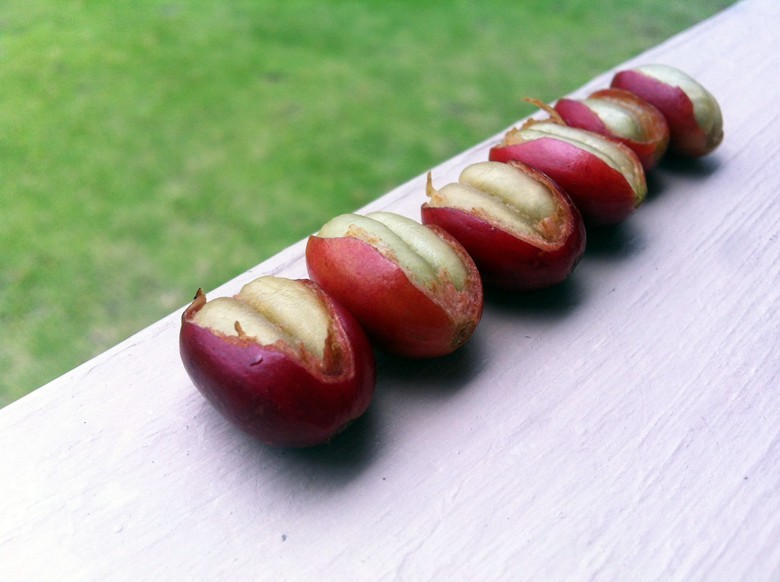
Variety matters just as much. Geisha, originally from Ethiopia’s Gori Gesha forest, is now famous for its delicate floral and citrus notes, especially when grown in high-altitude regions like Boquete. Other common varieties in Panama include Catuai and Caturra, which add balance and body to blends. A mix with 30% Geisha stands out by combining the unique floral profile of Geisha with the sweeter, rounder characteristics of the other varieties.
Frequently Asked Questions
What’s the difference between 17–18 mesh coffee beans and other sizes?
Coffee beans labeled 17–18 mesh (or in Chinese) refer to their size, with larger beans generally indicating higher quality and maturity. In grading systems, bigger beans often score higher and are associated with more developed flavors, while smaller beans are typically graded lower. A 17–18 mesh size is considered premium for many specialty coffees.
Does coffee really taste better when it’s freshly harvested?
Yes. Freshly harvested (new crop) coffee beans retain more aromatic compounds, offering brighter acidity and livelier flavors. As beans age, even if stored properly, they lose volatile aromas, resulting in a flatter, less dynamic cup. That’s why choosing recently harvested beans is key to a more vibrant and complex brew.
Why is Panama’s Boquete region famous for coffee?
Boquete’s high altitude (1000–2000m), volcanic soils, cool climate, and frequent mist create ideal conditions for growing specialty coffee. The region is especially known for its Geisha variety, which thrives at elevation and produces distinctive floral and fruity flavors. The combination of microclimates and traditional processing methods makes Boquete coffee highly sought after.
What’s the difference between washed and honey processed coffee?
Washed (or water-processed) coffee removes the cherry skin and pulp before drying, resulting in a cleaner, brighter cup with pronounced acidity. Honey processing removes the skin but leaves some sticky mucilage on the bean during drying, which increases sweetness, body, and often fruity or fermented notes. Each method highlights different flavor profiles in the final coffee.
What does 30% Geisha mean in a coffee blend?
It means that 30% of the beans in the blend are of the Geisha variety, known for its distinctive floral, citrus, and tea-like notes. The rest could include more common varieties like Catuai or Caturra, which balance the blend with body and sweetness. A 30% Geisha mix aims to deliver both complexity and the hallmark traits of the Geisha cultivar.
Recommended FrontStreet Beans for Exploring Panama Flavors
For a true taste of Panama’s high-altitude excellence, try FrontStreet Coffee’s Panama Boquete Geisha. Grown at 1600–1650m with a mix of Catuai, Caturra, and 30% Geisha, it offers delicate notes of white grape, honey, and caramel. Also consider the FrontStreet Esmeralda Red Label Geisha, renowned for its complex profile of jasmine, ripe stone fruit, and citrus. Or explore the FrontStreetGeisha for a classic expression of Panama Geisha with melon, orange blossom, and tea-like brightness. All showcase the region’s terroir and processing finesse. Freshly roasted within 5 days · Orders placed before 17:00 ship the same day · Next-day delivery across most of Guangdong Province.
FrontStreet Coffee is a long-established specialty coffee roaster in Guangzhou China, selling freshly roasted beans from its own farm in Yunnan as well as dozens of carefully selected single-origin beans from around the world for both pour-over and espresso. The products deliver consistently excellent quality and great value, with shipping within 24 hours. Guangzhou's FrontStreet Coffee shop is recommended by many coffee lovers, and the beans are now available online at the Tmall 。
Important Notice :
前街咖啡 FrontStreet Coffee has moved to new addredd:
FrontStreet Coffee Address: 315,Donghua East Road,GuangZhou
Tel:020 38364473