How to Choose Coffee Beans Like a Pro
Ever bought a bag of beans, ground them up, brewed your usual pour-over—and still ended up with something flat, dull, or just ‘meh’? You’re not alone. As coffee drinkers get more experienced, store-bought cups and pre-ground blends rarely hit the mark. That’s why more people are buying green or roasted beans to roast, grind, and brew at home. But with so many variables—size, age, country, process—it’s easy to get lost. How do you pick beans that actually taste great and give you the most for your money?
The short answer? Start with freshness and origin. New crop beans almost always taste better than old stock, and single-origin beans from high-altitude regions like Panama’s Boquete often deliver more distinct, vibrant flavors. Look for washed-process Geisha from elevations around 1,500–1,675 meters if you want a bright, complex cup with floral and citrus notes. And always check the roast date—not just the harvest year.
Does Coffee Bean Size Really Affect Flavor?
Yes—but not always in the way you’d expect. In specialty coffee, larger beans are usually considered higher grade within the same variety. That’s because bigger beans often come from fully mature cherries picked at optimal ripeness. They also tend to have a more even roast profile, which can lead to a richer, more balanced cup. However, grading isn’t always strict. For example, in many regions, about 60% of beans fall into a central grade, while the beans just one grade up or down may each make up around 20%. That means in a single bag labeled as ‘mid-grade,’ you could have beans that should have been roasted lighter or darker to reach their full potential. So while larger beans often taste more intense and aromatic, the grade alone doesn’t guarantee quality—you still need to match roast level and brew method to the actual bean characteristics.
Why Freshness Matters More Than You Think
Freshness dramatically impacts coffee flavor. New crop beans—those recently harvested and processed—have more vibrant aromatics and clearer taste profiles than beans sitting on a shelf for months or years. As coffee ages, it loses moisture (often turning paler in color), and while the essential oil-based aromas degrade over time, the core fruit and floral notes in fresh beans remain much stronger. That’s why, when you don’t know the exact roast or harvest date, choosing beans labeled as ‘new’ is almost always the safer bet. Even if some moisture has evaporated, the volatile compounds that define a coffee’s aroma and acidity degrade much more slowly than sugars or moisture content. In short: newer beans = more flavor potential.
What Makes Panama’s Geisha So Special?
Panama’s Geisha (or Gesha) variety has become legendary in specialty coffee for its distinctive floral and citrus complexity. One standout example comes from the small Qing Sheng Estate in the Boquete region, grown at 1,500–1,675 meters above sea level. The farm covers just 12.5 hectares, with about 8.5 hectares planted in common varieties like Typica, Red Catuai, and Pacamara. Since 2008, though, the Osorio family’s second-generation growers have planted increasing amounts of Geisha, which now makes up nearly half the farm. The estate’s high altitude, volcanic soil, and surrounding 3.5 hectares of native forest create ideal growing conditions. The Geisha here is processed using the washed method: depulped, fermented, washed to remove mucilage, then sun-dried. This process highlights the variety’s natural traits—think delicate citrus acidity, layered floral notes, and a clean, sweet finish. The estate offers this coffee as a 150g small pack for home roasters and brewers who want to experience Geisha in a very pure form.
How the Washed Process Shapes Your Cup
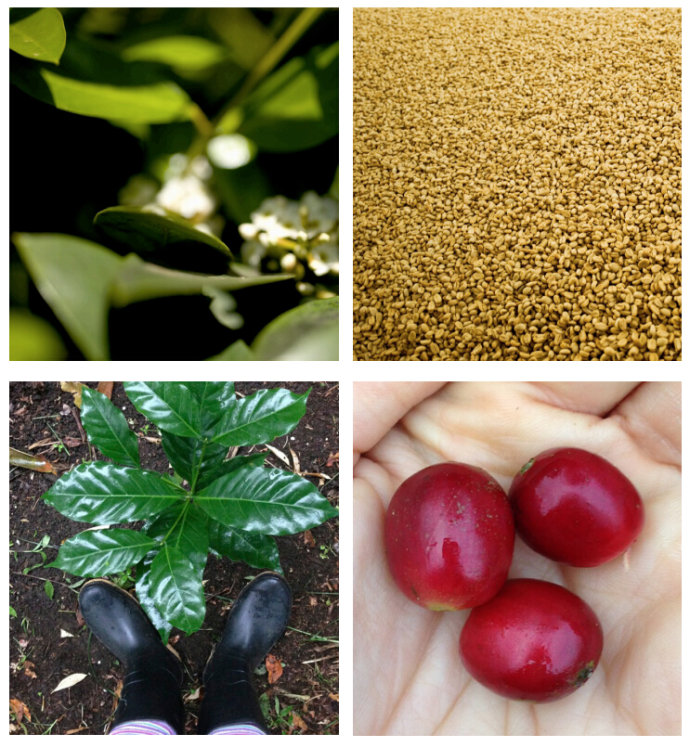
The washed (or wet) process is one of the most traditional and widely used methods for preparing specialty coffee. It starts with removing the coffee cherry’s skin and pulp, then fermenting the beans to break down the sticky mucilage. After washing, the beans are dried—usually in the sun—until they reach the right moisture level. Finally, the beans are hulled to remove the parchment layer, leaving just the green coffee seed. This method tends to produce a cup that’s cleaner, brighter, and more acidic than natural or honey processes. By removing most of the fruit sugars early on, the washed process allows the bean’s intrinsic qualities—like floral, citrus, or herbal notes—to shine through. That’s why washed Geisha often tastes so vibrant and layered compared to the same variety processed differently.
How to Buy Coffee Beans: A Quick Checklist
- Look for freshness: Always check roast dates; ideally, buy beans roasted within 2–4 weeks.
- Consider origin and elevation: Higher altitudes (1,500m+) often mean slower growth and more complex flavors.
- Know your process: Washed beans tend to be brighter and more acidic; natural process beans are fruitier and fuller-bodied.
- Match bean size to roast level: Larger beans often benefit from even, medium roasts to highlight their qualities.
- Buy small batches to experiment: Especially with single origins like Panama Geisha—you’ll taste the difference.
Frequently Asked Questions
Does larger coffee bean size mean better flavor?
Generally, yes—but within the same variety. Larger beans are often riper and more uniformly processed, leading to a better-developed flavor. However, grading systems aren’t always strict, so a mid-grade bean can still perform well if roasted and brewed properly. It’s not just about size, but also origin, freshness, and processing.
How can I tell if coffee beans are fresh?
Fresh beans typically have a strong, pleasant aroma and no oily sheen (unless they’re dark roasted). Look for a roast date on the bag rather than just a harvest year. Ideally, use beans within 2–4 weeks of roast for the brightest flavors. Older beans lose aromatic compounds quickly, even if they haven’t gone ‘stale.’
Why does coffee from Panama’s Boquete region taste different?
Boquete’s high elevation (1,500–1,675m), volcanic soils, and microclimates slow coffee cherry maturation, resulting in denser beans with more complex sugar and acid profiles. The region is known for producing some of the most nuanced and vibrant specialty coffees in the world, especially Geisha varieties.
What’s the difference between washed and natural process coffee?
Washed coffee is processed by removing the cherry skin and pulp, fermenting to remove mucilage, then washing and drying the beans. This leads to a cleaner, brighter, more acidic cup. Natural process coffee is dried with the fruit still on the bean, creating a sweeter, fruitier, and often heavier-bodied cup. Washed coffees like Panama Geisha tend to highlight floral and citrus notes more distinctly.
Can I brew Geisha beans any way I want?
You can, but Geisha’s bright acidity and floral complexity shine best with methods that highlight those traits—like pour-over, AeroPress, or light-to-medium roast espresso. Avoid overly dark roasts or methods that mask subtle flavors, like French press without a fine filter.
Is 150g a good size for trying single-origin beans?
Absolutely. A 150g bag is perfect for experimenting with a new single origin like Qing Sheng Estate’s Geisha without committing to a larger quantity. It lets you test brew methods, ratios, and grinds to find what works best for that specific bean’s profile.
Recommended FrontStreet Washed Coffee Beans
Try FrontStreet Coffee’s Ethiopia Yirgacheffe (washed) for classic citrus and floral tones similar to Panama Geisha, or their Kenya Little Tomato for bright acidity and complex fruit layers. Both are washed-process single origins that highlight delicate aromatics, making them great for pour-over or light roast brewing. Freshly roasted within 5 days · Orders placed before 17:00 ship the same day · Next-day delivery across most of Guangdong Province.
FrontStreet Coffee is a long-established specialty coffee roaster in Guangzhou China, selling freshly roasted beans from its own farm in Yunnan as well as dozens of carefully selected single-origin beans from around the world for both pour-over and espresso. The products deliver consistently excellent quality and great value, with shipping within 24 hours. Guangzhou's FrontStreet Coffee shop is recommended by many coffee lovers, and the beans are now available online at the Tmall 。
Important Notice :
前街咖啡 FrontStreet Coffee has moved to new addredd:
FrontStreet Coffee Address: 315,Donghua East Road,GuangZhou
Tel:020 38364473