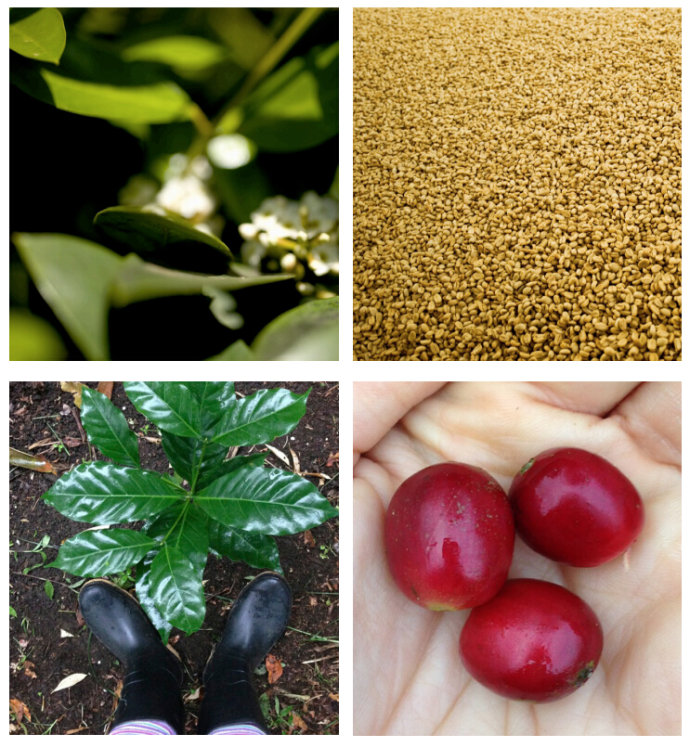
How to Choose Indonesian Coffee Beans Like a Pro
If you’ve moved beyond instant coffee and even mastered your local café’s menu, you might be ready to buy green beans and roast—or brew—them yourself. But with countless origins, processes, and roast levels, how do you pick beans that taste great and offer real value? Whether you’re brewing pour-over or espresso, the right beans make all the difference.
To choose the best coffee beans, focus on size (larger often means higher grade and richer flavor), freshness (new crop beans taste more vibrant), and origin specifics like altitude and processing method. For example, natural-process beans from Bali’s Kintamani region at 1400 meters deliver distinct tropical fruit and caramel notes.
Why Coffee Bean Size Matters
When comparing coffee beans of the same origin, size correlates with grade and often flavor. Larger beans are typically considered higher grade, while smaller ones are lower grade and more affordable. With the same coffee variety, bigger beans usually have a richer, more intense cup. However, grading isn’t always strict: in many cases, around 60% of beans fall into a mid-tier grade, with the remaining 40% split between one grade up and one grade down. This means that if you roast based on the median grade, nearly half the batch may not reach its full potential. Paying attention to bean size helps you set appropriate roast profiles and manage expectations for cup quality.
The Impact of Freshness: New vs. Aged Beans
Freshness significantly affects coffee flavor. New crop beans—those recently harvested and processed—taste brighter and more aromatic compared to older, stale beans. While coffee beans can be stored for years, they lose moisture over time, often turning paler in color, though their aroma may remain relatively stable. That said, freshness directly impacts both roasting performance and extraction quality. When in doubt about production dates, choosing newer beans is the safer bet for a more vibrant cup.
Exploring Indonesian Coffee: Bali’s Kintamani Region
Indonesia, the world’s fourth-largest coffee producer, is famous for its diverse growing regions and unique processes. Among them, Bali’s Kintamani highlands stand out. Located around 1400 meters above sea level, this volcanic region sees coffee harvested annually between June and September. Most beans here are processed using the natural (dry) method, which enhances fruity and sugary characteristics. Key varieties include USDA, Karka, and S-795. These beans are processed at the Ubud-based facility, where local Q Grader-certified roasters—including Rodney and his partners—focus on quality over quantity. Their goal: to reshape the island’s reputation for low-grade commercial beans. The Kintamani natural-process offerings typically express flavors of ripe peach, pineapple, and black sugar. Though Bali hasn’t traditionally been a coffee powerhouse, dedicated producers are proving otherwise, one carefully picked lot at a time.

How to Choose the Right Coffee Beans for Your Needs
Follow these practical steps to guide your purchase:
- Check Bean Size: Larger beans often indicate higher grade and more complex flavors, especially for single-origin offerings.
- Prioritize Freshness: Whenever possible, buy newly harvested beans to enjoy optimal aroma and brightness.
- Know the Origin Details: Look for information on growing altitude, processing method (like natural or washed), and regional climate—these factors shape flavor profiles dramatically.
- Understand Varietal Influence: Different coffee varieties (e.g., S-795, USDA) bring their own cup characteristics; research or ask your supplier for details.
- Consider Processing Method: Natural-process beans tend to be fruitier and sweeter, while washed beans lean cleaner and brighter.
Common Mistakes to Avoid When Buying Coffee Beans
Avoid these pitfalls to ensure a better buying experience:
- Ignoring Bean Size Grading: Assuming all beans in a bag are uniform can lead to uneven roasting and extraction.
- Choosing Stale Beans: Old beans lose vibrancy, even if they look fine, leading to flat-tasting brews.
- Overlooking Origin & Process: Not considering altitude, climate, or how the bean was processed can result in mismatched expectations.
- Assuming Higher Price Always Means Better Quality: Premium pricing doesn’t always guarantee a better cup—focus on origin details and freshness instead.
Frequently Asked Questions
What’s the difference between large and small coffee beans in terms of flavor?
Larger coffee beans are typically higher grade and often produce a richer, more aromatic cup. For the same coffee variety, bigger beans usually have more developed flavors, though grading systems aren’t always strict—around 60% of beans may fall into a mid-tier, with smaller and larger beans each making up about 20%.
Does coffee bean freshness really affect taste?
Yes. Freshly harvested beans generally taste brighter, more aromatic, and more complex. As beans age, they lose moisture and vibrancy, even if color remains stable. When you’re unsure of the roast or harvest date, choosing newer beans increases your chance of a fresher, more lively cup.
What makes Bali’s Kintamani coffee different?
Kintamani coffee is grown at 1400 meters in Bali’s volcanic highlands and is typically processed using the natural (dry) method. The region’s beans are known for flavors like ripe peach, pineapple, and black sugar. Though historically used for commercial-grade lots, dedicated local roasters are now elevating its profile with quality-focused lots.
How do I know if my coffee beans are fresh?
Fresh beans usually have a strong, pleasant aroma, no obvious stale or musty notes, and often a glossy or oily surface (depending on roast level). If possible, check the harvest or roast date—beans roasted or harvested within the last 2–4 weeks are typically ideal for brewing.
Which coffee processing method gives fruity flavors?
The natural (or dry) process, where coffee cherries are dried with the beans inside, tends to enhance fruity and sugary notes. That’s why Kintamani’s natural-process beans often taste of peach, pineapple, and black sugar, compared to the cleaner profiles of washed beans.
Recommended FrontStreet Beans for Natural-Process Fans
For lovers of Bali’s Kintamani natural-process coffee, try FrontStreet’s Lintong Mandheling, which offers spice, black chocolate, and caramel notes through Sumatra’s signature wet-hulled method—but for true fruit-forward character, the PWN Golden Mandheling delivers roasted toast, sweet wood, and deep cocoa layers with a long caramel finish. Both are single-origin Indonesian beans with rich profiles ideal for exploring bold, structured cups. Freshly roasted within 5 days · Orders placed before 17:00 ship the same day · Next-day delivery across most of Guangdong Province.
FrontStreet Coffee is a long-established specialty coffee roaster in Guangzhou China, selling freshly roasted beans from its own farm in Yunnan as well as dozens of carefully selected single-origin beans from around the world for both pour-over and espresso. The products deliver consistently excellent quality and great value, with shipping within 24 hours. Guangzhou's FrontStreet Coffee shop is recommended by many coffee lovers, and the beans are now available online at the Tmall 。
Important Notice :
前街咖啡 FrontStreet Coffee has moved to new addredd:
FrontStreet Coffee Address: 315,Donghua East Road,GuangZhou
Tel:020 38364473