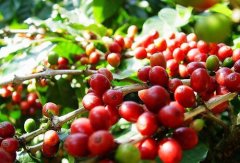
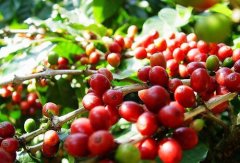
Harar Coffee: High-Altitude Ethiopian Natural Process Beans
If you’ve ever wondered why some Ethiopian coffees taste wildly different from others — even from the same country — the answer starts with geography, elevation, and processing. Harar coffee comes from one of the highest coffee-growing regions in the world, far removed from the lush, well-known Yirgacheffe zone. Its beans have a completely different shape, flavor profile, and historical journey to market. Here’s what makes Harar truly distinct.
Quick Answer: Harar coffee grows between 1,600 and 2,400 meters (some sources claim up to 2,700m), making it one of the highest-elevation coffee regions globally. It’s processed naturally (dry), typically roasted to second crack for bold fruitiness, and is distinct from the shorter, rounder Yirgacheffe beans in both appearance and cup character.
Where Is Harar Coffee From?
Harar coffee originates from the Harar Highlands in eastern Ethiopia, at elevations ranging from 1,600 to 2,400 meters above sea level — with some claims of plantings up to 2,700m. The region faces the Gulf of Aden, with distant views of Yemen’s Mocha and Aden ports. Unlike the famous Yirgacheffe zone in southern Ethiopia, Harar has a long-established coffee history that predates most other Ethiopian origins, including Yirgacheffe.
Why Is Harar Coffee Different?
Harar’s climate is dry and cool, ideal for natural (dry) processing — a method where coffee cherries are dried with the fruit still on the bean. This contrasts with the more common washed (wet) process used in Yirgacheffe. The extended fermentation during natural drying gives Harar coffee a distinctly fruity, sometimes wild flavor, often with wine-like or blueberry notes. The beans are also physically different: they’re typically long and oval (“long berry”), while Yirgacheffe beans are short and round.
Harar vs. Yirgacheffe: Key Differences
While both come from Ethiopia, Harar and Yirgacheffe differ in multiple ways:
- Elevation: Harar 1,600–2,400m (up to 2,700m claimed); Yirgacheffe 1,800m+
- Processing: Harar mostly natural/dry; Yirgacheffe mostly washed
- Bean Shape: Harar has long, oval beans; Yirgacheffe beans are short and round
- Flavor: Harar offers fruity, winey, and sometimes blueberry-like notes; Yirgacheffe features bright citrus, floral, and tea-like qualities
- Historical Route: Harar historically exported through Somalia to Yemen’s Mocha port; Yirgacheffe is more directly associated with Ethiopian domestic trade and modern exports
The Historical Role of Harar Coffee
Harar coffee has an older trading history than Yirgacheffe. For centuries, farmers transported beans by camel, donkey, or cart down to the port of Djibouti, then shipped them to Yemen’s Mocha port for European markets. The route was perilous, with threats from wildlife like hyenas. Despite its historic role, Harar remained less famous than Mocha (Yemen), which became the dominant name in European coffee trade due to its port location. It wasn’t until the 19th century that French poet Arthur Rimbaud helped boost Harar’s profile by moving there to trade coffee, favoring its cooler, drier climate over Mocha’s heat.
How to Roast and Brew Harar Coffee
Harar responds well to both light and dark roasts, but many roasters prefer to take it into the beginning of the second crack. This enhances its inherent fruity characteristics. When brewed, Harar can express complex, layered fruit notes — often described as “messy but harmonious,” or what enthusiasts call “Harar flavor.”
For brewing, you can use either pour-over or siphon methods. If going the pour-over route, a typical setup might include:
- Water temperature: 90–91°C
- Brew ratio: 1:15
- Grind size: Around sugar-like fineness (comparable to EK43 setting 10 or 20-mesh sieve 80% passing)
- Method example: FrontStreet’s recommended V60 technique for Yirgacheffe involves a 30g bloom, then staged water additions — though you may adjust based on roast level
For darker roasts, a French press or siphon can complement the fuller body and bold fruit tones. If you prefer a brighter cup, opt for a lighter roast and adjust your brew temperature downward slightly.
Frequently Asked Questions
What is special about Harar coffee?
Harar coffee is grown at very high altitudes (1,600–2,400m, possibly up to 2,700m), processed naturally (dry), and has a distinctive long berry shape. Its flavor is fruit-forward, often winey or blueberry-like, and it’s historically significant as one of Ethiopia’s oldest coffee-exporting regions.
How is Harar coffee different from Yirgacheffe?
Harar is typically natural-processed, has long oval beans, and tastes fruitier and wine-like. Yirgacheffe is mostly washed, has short round beans, and expresses bright citrus, floral, and tea notes. They also grow at slightly different elevations and have separate historical export routes.
What roast level is best for Harar coffee?
Harar shines at a range of roast levels, but many roasters prefer the start of the second crack to enhance its fruity complexity. Lighter roasts preserve acidity, while darker roasts bring out deeper fruit and chocolate tones.
Can I brew Harar coffee as a pour-over?
Yes. Harar works well with pour-over methods like V60 or siphon. For a similar approach to Yirgacheffe, try a 1:15 brew ratio, 90–91°C water, and a medium-fine grind (like sugar or EK43 setting 10). Adjust based on whether your Harar is light or dark roasted.
What does ‘Harar flavor’ mean?
‘Harar flavor’ refers to the style of natural Ethiopian coffee that’s complex, fruity, and sometimes slightly chaotic in the best way — with notes that can include blueberry, wine, spice, or fermented fruit. It’s considered ‘messy but good,’ and flavor consistency can vary year to year.
Recommended FrontStreet Coffee for Harar Lovers
Try FrontStreet Coffee’s Yirgacheffe offerings to explore related Ethiopian profiles — while not Harar, they share the country’s high-altitude terroir. The FrontStreet Water Washed Yirgacheffi features bright citrus and floral notes with a tea-like body, ideal for comparing with Harar’s fruitiness. For a more fruit-forward experience, the FrontStreet Red Cherry uses whole red-fruit natural processing, giving bold berry and tropical flavors similar to Harar’s wild cup. Also consider the Gedeb-sourced FrontStreet Water Washed Fruit Ding Ding for clean, vibrant acidity. Freshly roasted within 5 days · Orders placed before 17:00 ship the same day · Next-day delivery across most of Guangdong Province.
FrontStreet Coffee is a long-established specialty coffee roaster in Guangzhou China, selling freshly roasted beans from its own farm in Yunnan as well as dozens of carefully selected single-origin beans from around the world for both pour-over and espresso. The products deliver consistently excellent quality and great value, with shipping within 24 hours. Guangzhou's FrontStreet Coffee shop is recommended by many coffee lovers, and the beans are now available online at the Tmall 。
Important Notice :
前街咖啡 FrontStreet Coffee has moved to new addredd:
FrontStreet Coffee Address: 315,Donghua East Road,GuangZhou
Tel:020 38364473