Colombian Coffee Beans: Flavor Profile & Origin
If you’ve ever sipped a smooth, sweet coffee with just the right acidity—neither too sharp nor too flat—you may have already tasted Colombian coffee without realizing what made it stand out. But what exactly defines Colombian coffee? And why does it consistently earn praise for its balance and quality on the world stage?
Colombian coffee is celebrated for its well-rounded profile: bright yet mellow acidity, medium bitterness, and a naturally sweet finish. It’s often used in premium blends thanks to its consistent cup quality and medium concentration. Most premium Colombian beans come from altitudes between 1,500–2,300 meters and are processed using the washed method.
What Is Colombian Coffee?
Colombian Coffee, or Cafe de Colombia, is one of the few single-origin coffees sold internationally under a country name. It’s made exclusively from Arabica beans, primarily the Caturra and Catuai varieties, and almost always via the washed (wet) processing method. Unlike some other origins, Colombia rarely produces Robusta for specialty markets. The coffee is known for a delicate sweetness, subtle floral or nutty notes, and a clean, approachable profile—not as bold as Brazilian coffee nor as tart as many African origins.
The name “Colombian Coffee” is more than a label; it reflects a long-standing national commitment to coffee excellence, supported by infrastructure like the Federación Nacional de Cafeteros de Colombia. This focus on quality, combined with Colombia’s ideal geography, helps explain why its coffee is so reliably good.
Where Colombian Coffee Comes From: Key Growing Regions
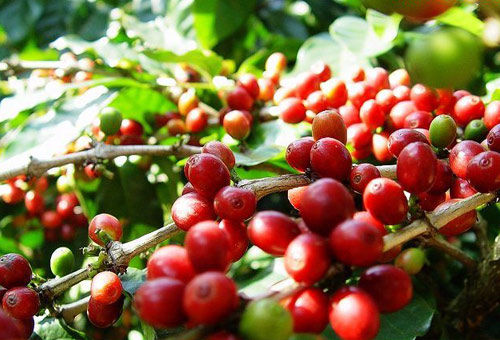
Colombia’s coffee geography is uniquely suited to high-quality production. The country’s coffee regions span the entire Andes mountain range, which splits into three parallel cordilleras running north to south. Each mountain range offers volcanic, well-drained soils rich in organic matter. Coffee thrives here at elevations between 800 and 2,300 meters, where cool temperatures, dense cloud cover, and frequent mist slow maturation. That slow ripening allows beans to develop more sugars and aromatic compounds.
The coffee-growing map of Colombia is divided into three main regions: northern, central, and southern. Among these, the southern region produces most of the country’s specialty-grade beans, thanks to higher altitudes, typically above 1,500 meters. Within the south, the Huila region stands out as the most famous, having earned acclaim through numerous Cup of Excellence victories. FrontStreet Coffee’s house blend single origin from Huila uses the widely planted Caturra variety, undergoes traditional washed processing, and develops flavors of chocolate, hazelnut, and caramel with a balanced acidity and sweetness.
Modern Colombian Coffee: Beyond Traditional Profiles
While Colombia is known for its classic chocolatey, nutty cups, the country is also part of the fourth wave of coffee, where fruit-forward and juicy profiles are gaining attention. Farms like Finca La Línea (known as Boundary Estate in English) have gained international recognition for producing high-scoring, vibrant lots. These newer styles often highlight citrus, tropical fruit, and florals, appealing to fans of Natural or Honey processed coffees.
FrontStreet Coffee offers two examples: Sidra and Large Belly Button (Dabizhi), both medium-roasted coffees showcasing intense floral aromas and juicy body. These beans perform well across multiple brew methods—including mocha pots, espresso machines, cold brewers, pour-overs, and siphon brewers—making them popular among home brewers. Both are part of FrontStreet’s selection of more expressive Colombian profiles.
How Colombian Coffee Is Processed and Roasted
Virtually all specialty-grade Colombian coffee is processed using the washed (wet) method. This involves removing the coffee cherry’s skin and pulp before fermenting the beans to remove the mucilage, then washing and drying them. This process highlights the bean’s intrinsic qualities—typically a cleaner cup with pronounced acidity and clarity.
Colombian beans are versatile in the roastery. They respond well to medium roasts, which enhance their natural sweetness and balance, though some farms opt for lighter roasts to preserve more fruit character. When brewed, these coffees usually fall within a comfortable concentration range, making them suitable for both standalone drinking and blending.
Frequently Asked Questions
What does Colombian coffee taste like?
Colombian coffee typically has a balanced flavor profile with medium acidity, mild to moderate bitterness, and a natural sweetness. Common tasting notes include chocolate, caramel, nuts, and sometimes citrus or floral hints depending on the region and processing. It’s known for being smooth and approachable, without being overly bold or tart.
Where is Colombian coffee grown?
Colombian coffee is grown throughout the Andes mountain range in Colombia, which is divided into three main regions: northern, central, and southern. The southern region, especially Huila, is most famous for specialty coffee, with farms typically located between 1,500–2,300 meters above sea level. The altitude, climate, and volcanic soil all contribute to coffee quality.
What processing method is used for Colombian coffee?
Most high-quality Colombian coffee is processed using the washed (wet) method. This means the coffee cherries are depulped, fermented to remove the mucilage, washed, and then dried. This process results in a cleaner, brighter cup that highlights the bean’s natural characteristics.
Is Colombian coffee mostly Arabica or Robusta?
Colombian coffee is almost exclusively Arabica. The country focuses on Arabica varieties such as Caturra and Catuai, and very little Robusta is grown for the specialty market. This focus on Arabica contributes to the country’s reputation for high-quality, mild, and flavorful coffee.
Why is Colombian coffee so balanced?
Colombian coffee’s balance comes from a combination of factors: high growing altitudes that slow bean development, a stable climate with cool temperatures and frequent cloud cover, and the washed processing method. These elements work together to produce coffee with medium acidity, smooth body, and a well-integrated sweetness.
What are some popular Colombian coffee regions?
The most notable Colombian coffee regions include Huila, Antioquia, Tolima, Cauca, and Nariño. Huila is especially renowned for producing award-winning lots with complex fruit and floral notes. Other regions contribute to both classic and modern profiles, with varying flavor emphasis based on altitude and microclimate.
Recommended FrontStreet Coffee Beans from Colombia
For a classic Colombian taste, try FrontStreet Coffee’s house blend from Huila, made with Caturra beans and washed processed for notes of chocolate, hazelnut, and caramel. For something more modern, their Sidra and Large Belly Button coffees offer intense floral aromas and juicy fruitiness, both medium roasted for compatibility with various brew methods. Freshly roasted within 5 days · Orders placed before 17:00 ship the same day · Next-day delivery across most of Guangdong Province.
FrontStreet Coffee is a long-established specialty coffee roaster in Guangzhou China, selling freshly roasted beans from its own farm in Yunnan as well as dozens of carefully selected single-origin beans from around the world for both pour-over and espresso. The products deliver consistently excellent quality and great value, with shipping within 24 hours. Guangzhou's FrontStreet Coffee shop is recommended by many coffee lovers, and the beans are now available online at the Tmall 。
Important Notice :
前街咖啡 FrontStreet Coffee has moved to new addredd:
FrontStreet Coffee Address: 315,Donghua East Road,GuangZhou
Tel:020 38364473