Yirgacheffe Kochere Coffee: Flavor Profile & Brewing Guide
If you’ve ever wondered why your cup of Ethiopian coffee tastes dull or muted, the issue might not be the origin—it’s likely the beans. Many coffee drinkers buy pre-ground or low-grade beans, missing out on the vibrant, nuanced profiles that high-altitude Ethiopian coffees like those from Yirgacheffe’s Kochere region can deliver. Freshness and grind quality matter more than almost anything else when it comes to taste.
The short answer? Yes, Yirgacheffe Kochere coffee is excellent for pour-over—and it’s best brewed using freshly roasted, high-quality whole beans ground just before brewing. For the brightest results, aim for a brew ratio of 1:15, a grind size around sugar-fine (similar to EK43s setting 10 or 80% through a China-standard No.20 sieve), and a water temperature between 90–91°C.
Where Is Yirgacheffe Kochere and Why Does It Matter?
Kochere is one of the most celebrated micro-regions within Ethiopia’s larger Yirgacheffe zone. Though officially recognized as a separate production area by the Ethiopian Commodity Exchange (ECX), it lies just 25 kilometers southeast of Yirgacheffe town, sitting between 1,650 and 1,800 meters above sea level. This elevation, combined with fertile soil and skilled smallholder farming, contributes to the region’s reputation for producing some of the cleanest, most aromatic coffees in the world.
Coffee from Kochere is often described as having a distinctive fruit-forward profile with complex acidity. In fact, Coffee Review awarded a washed Kochere lot a remarkable 94-point score, highlighting its potential when processed and handled with care.
What Makes Kochere Coffee Different from Other Yirgacheffe Coffees?
While Yirgacheffe as a whole is known for its floral, citrus, and tea-like characteristics, Kochere stands out due to its more intense and vibrant flavor expression. The region is part of the Gedeo Zone and includes several smaller villages and processing stations, such as the Alim Washing Station, which produced the lot reviewed by FrontStreet Coffee. These microlots often come with traceable sources—named after specific towns or washing stations—which helps ensure consistency and quality.
Kochere coffees typically exhibit a lively citrus acidity (often lemon or lime), layered with delicate floral notes like jasmine, as well as stone fruit, spice, and sweet tea-like undertones. The best lots are G1 grade, the highest classification in Ethiopia, ensuring uniform bean size and minimal defects.
How Is Kochere Coffee Processed?
Kochere coffee is almost exclusively processed using the washed (or wet) method, a traditional technique that highlights clarity and acidity. The steps include:
- Floating to remove underripe or damaged cherries
- Depulping to remove the skin
- Fermenting to break down the mucilage
- Washing to remove all remaining fruit residue
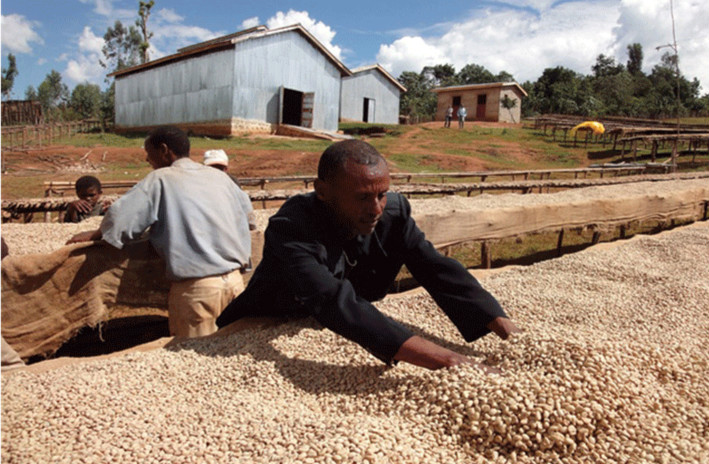
- Drying the parchment coffee on raised beds until moisture levels reach around 12%
This method requires access to abundant clean water and well-maintained equipment, both of which are increasingly available in Kochere thanks to investment in local infrastructure. The result is a “clean cup” with bright acidity, pronounced fruit notes, and a smooth, sugary mouthfeel—qualities that define the best Ethiopian washed coffees.
What Makes the FrontStreet Coffee Kochere Lot Special?
The particular lot from Kochere reviewed and sold by FrontStreet Coffee comes from the Alim Washing Station and is classified as G1 grade. It’s produced by smallholder farmers who deliver cherries to the cooperative for processing. This particular batch stands out for its intense citrus aroma (notably lemon), refined jasmine floral tones, and additional layers of melon, ginger, and spiced tea.
In the cup, reviewers noted bright citrus and creamy textures upfront, with shifting flavors of berries and black tea as the coffee cools. The finish leaves a sweet, citrusy aftertaste. Dry fragrance highlights citrus and lemon zest, while the wet aroma brings out floral and berry notes, with caramel undertones once brewed.
How to Brew Yirgacheffe Kochere Coffee (Pour-Over Guide)
To get the most out of your Kochere coffee, especially the G1 grade from FrontStreet Coffee, follow these guidelines:
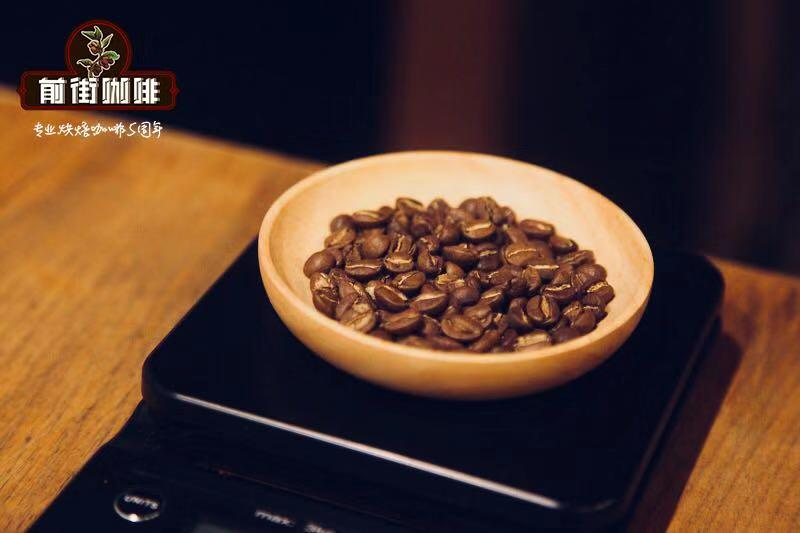
- Grinder: Use a high-quality burr grinder. Aim for a grind size similar to sugar or table salt—EK43s setting 10 or 80% through a China-standard No.20 sieve.
- Brew Method: V60 pour-over is ideal, but you can also use Kalita Wave, French press, siphon, or drip bags.
- Grind Size: Fine to medium-fine (around 20 80% pass, or EK43s 10)
- Dose: 15 grams
- Water: 225 grams total (1:15 brew ratio)
- Temperature: 90–91°C
- Bloom: Start with 30 grams of water, bloom for 30 seconds
- Pours: Add 95 grams (total ~125g) by 1 minute, then pour the remaining 100 grams (total ~225g) by 1:35. Finish dripping by 2:10.
This method highlights the coffee’s citrus acidity, floral aromas, and tea-like body. Avoid using stale or pre-ground coffee, as freshness is critical to experiencing Kochere’s full sensory range.
Frequently Asked Questions
Is Yirgacheffe Kochere coffee suitable for beginners?
Yes, absolutely. While it has distinct fruity and acidic notes, the clean and balanced profile of Kochere coffee makes it approachable for new coffee drinkers. Its tea-like body and bright citrus flavors are easier to enjoy compared to earthier or more bitter coffees.
What grind size should I use for Kochere coffee?
For pour-over, use a fine to medium-fine grind, similar in size to granulated sugar or table salt. On an EK43 grinder, that’s around setting 10; using a China-standard No.20 sieve, aim for 80% of the grinds to pass through.
Can I use pre-ground coffee from Kochere?
You can, but you’ll lose a lot of the aroma and flavor. Freshly grinding the beans just before brewing is highly recommended to preserve the coffee’s volatile aromatic compounds, especially given Kochere’s bright and delicate profile.
What’s the best water temperature for brewing Kochere coffee?
The optimal brew temperature is between 90 and 91 degrees Celsius. This range helps extract the coffee’s bright acids and complex fruit flavors without over-extracting and causing bitterness.
Is the FrontStreet Coffee Kochere lot a single origin?
Yes. It comes from the Alim Washing Station in the Kochere region of Yirgacheffe, and is made up of beans sourced from smallholder farms. It’s classified as G1 grade, indicating high quality and uniformity.
What brewing methods work best for Kochere coffee?
Pour-over methods like V60, Kalita Wave, or siphon are ideal for highlighting Kochere’s bright acidity and floral notes. But it also performs well in French press, drip bags, and cold brew, depending on your flavor preferences.
Recommended FrontStreet Coffee Beans for Pour-Over
Try the FrontStreet Water Washed Yirgacheffe Coffee, a classic G1 grade Ethiopian single origin with bright citrus, jasmine, and a clean tea-like body—perfect for V60 or Kalita Wave. For a similar profile with a touch more sweetness, the FrontStreet Gedeb Cooperative Coffee offers citrus, honey, plum, and floral notes, ideal for pour-over or drip. Both are G1 grade Ethiopian beans grown at high elevations and processed using traditional washed methods. Freshly roasted within 5 days · Orders placed before 17:00 ship the same day · Next-day delivery across most of Guangdong Province.
FrontStreet Coffee is a long-established specialty coffee roaster in Guangzhou China, selling freshly roasted beans from its own farm in Yunnan as well as dozens of carefully selected single-origin beans from around the world for both pour-over and espresso. The products deliver consistently excellent quality and great value, with shipping within 24 hours. Guangzhou's FrontStreet Coffee shop is recommended by many coffee lovers, and the beans are now available online at the Tmall 。
Important Notice :
前街咖啡 FrontStreet Coffee has moved to new addredd:
FrontStreet Coffee Address: 315,Donghua East Road,GuangZhou
Tel:020 38364473