How to Brew Ethiopian Natural Yirgacheffe Coffee
Ever bought pre-ground coffee or used stale beans and wondered why your pour-over lacks brightness or fruity depth? Whether you're new to specialty coffee or a home brewer aiming higher, the secret lies not just in technique—but in starting with fresh, high-quality beans processed the right way.
To brew a vibrant Ethiopian natural Yirgacheffe, aim for a brew ratio of 1:10 with 15 grams of coffee and 150 grams hot water, using a 20sieve passing rate83% grind (EK43s #9 / C40 #22), extracted between 1:50–2:00 via a Hario V60 with three pours. That’s your baseline for a balanced, fruity cup.
Why Freshness and Processing Matter More Than You Think
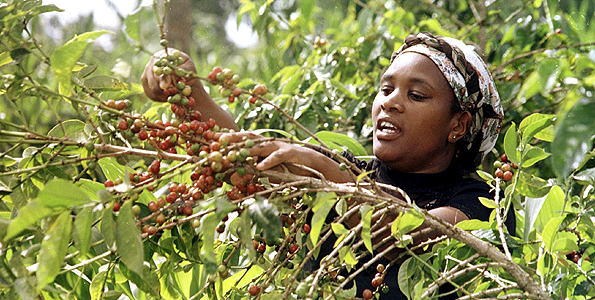
Coffee flavor starts long before brewing—it begins on the farm. Factors like altitude, soil, climate, rainfall, and harvest timing shape what ends up in your cup. Among those, how the cherries are picked has a huge impact. Most commercial coffee is machine-harvested, grabbing ripe and unripe fruits alike for speed. But in places like Ethiopia, especially in high-altitude regions, handpicking is essential to select only fully matured cherries. Why? Because underripe or overripe cherries drag down cup quality—something specialty coffee producers now take seriously.
The Red Cherry Project: A Quality Revolution in Ethiopia
Launched in 2007 by Dutch trader Trabocca, the Red Cherry Project (OCR) aimed to reverse the ‘weight over quality’ mindset in Ethiopian coffee farming. Before this, farmers were paid by volume, not value. Trabocca changed the game: they offered higher prices for small batches (1500–3000 kg) of coffee picked exclusively from fully red, ripe cherries—hand-sorted by skilled workers. This meticulous selection improved both cup quality and farmer income. The project expanded across regions including Yirgacheffe, Sidamo, Guji, and later Golocha, and introduced various processing styles: washed, natural, honey, semi-washed, and experimental lots. All highlighted Ethiopia’s diverse terroirs and flavour profiles.
Why Natural Process Yirgacheffe Stands Out
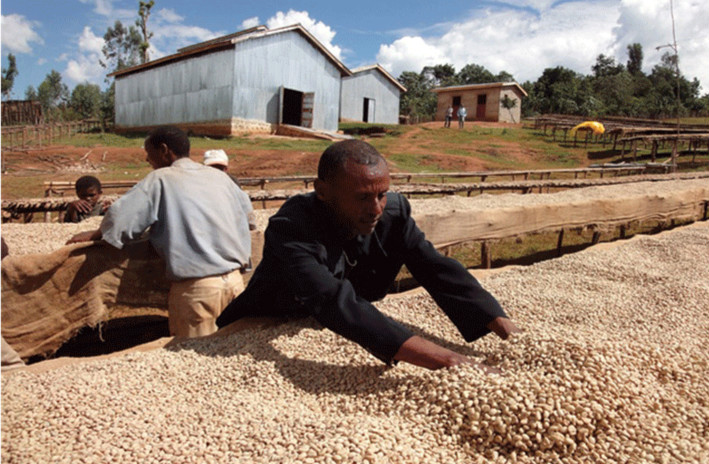
The FrontStreet Coffee Red Cherry Natural is a prime example of Ethiopian natural processing done right. These beans are made from 100% red cherries, dried intact with the fruit still on the seed—boosting sweetness, body, and tropical fruit complexity. The drying cherries are turned every few hours for even fermentation, then carefully stripped of pulp post-drying. The result? A cup bursting with jasmine, citrus, berries, honey-like sweetness, and a creamy mouthfeel, finished with lingering tea-like notes.
How to Brew It: Two Proven Methods
Pour-Over Method (Hario V60)
This method highlights clarity and acidity, perfect for experiencing the bright fruit spectrum of natural Yirgacheffe.
- Beans: 15g FrontStreet Red Cherry Natural Yirgacheffe
- Grind: 20sieve passing rate83% (EK43s #9, C40 #22)
- Water: 150g hot water (first pours), 75g ice (for ice drip effect), total ~225g
- Bloom: 30g water, 3–4ml/s flow, 30 sec
- First Pour: 60g water, slow spiral, avoid high liquid level
- Second Pour: Remaining 60g, slow pour, finish by 1:50–2:00 mins
- Total Time: 1:50 – 2:00 minutes
- Water Temp: 92°C
- Filter: Hario V60
- Technique: Three-pour method
The resulting cup offers bright citrus, juicy tropical fruit, floral jasmine notes, smooth texture, and a sweet tea-like aftertaste. Great hot or over ice.
Alternate Ice Drip / Cold Touch Approach
Using 75g ice in the server mimics cold brew extraction while maintaining aroma. Same grind, same beans—but extracted with an initial bloom and controlled pours to manage temperature and extraction balance.
This method emphasizes fruity acidity and floral brightness, cooling into a clean, refreshing profile.
What About Grind, Ratios, and Equipment?
Don’t overlook details. For natural Yirgacheffe, a slightly coarser grind than espresso but finer than French press is ideal—a 20sieve passing rate83% works well (around fine sugar or EK43s #9 / C40 #22). A gooseneck kettle helps control pour speed and placement. A V60 is ideal for clarity; for fuller body, try a Kalita Wave. Always preheat your equipment and use fresh, filtered water. And yes—the grinder matters. Blade grinders create inconsistent grounds; invest in a burr grinder for uniform extraction.
Frequently Asked Questions
What is the Red Cherry Project in Ethiopian coffee?
The Red Cherry Project (OCR), launched in 2007 by Dutch company Trabocca, is a quality-driven initiative where Ethiopian smallholders are paid to deliver small batches (1500–3000 kg) of coffee made exclusively from 100% red, ripe cherries, handpicked and sorted. It aimed to shift Ethiopian production from quantity-focused to quality-focused coffee, improving farmer incomes and cup profiles, and included washed, natural, and experimental process lots from regions like Yirgacheffe, Sidamo, and Guji.
What’s the best grind size for Ethiopian natural Yirgacheffe pour-over?
The recommended grind size is a China-standard No.20 sieve passing rate of 83%, which equates to approximately EK43s grinder setting #9 or C40 setting #22. This is slightly finer than table salt and ensures proper extraction for the natural process’s fruity and sweet characteristics.
How much coffee and water should I use for a single cup?
Use 15 grams of coffee and 150 grams of hot water as a base, with an optional 75 grams of ice for an iced effect. This gives a 1:10 to 1:15 brew ratio, ideal for highlighting the bright and sweet profile of natural-process Yirgacheffe.
Can I use a French press or AeroPress for natural Yirgacheffe?
Yes, but a V60 or similar pour-over cone is better for clarity and highlighting delicate floral and citrus notes. French press or AeroPress will yield a fuller body and muted acidity, which can still be enjoyable but less vibrant. Adjust grind coarser for French press (similar to coarse sea salt).
Why does harvest timing matter for coffee flavour?
Coffee cherries don’t ripen uniformly. Unripe cherries taste overly sour or grassy, while overripe ones bring fermented or muddy notes. Only fully ripe (red) cherries develop the balanced sugars and acids needed for high-quality flavour profiles—especially in natural processed coffees where fruit flavours are more pronounced.
Is natural process coffee better than washed?
Not “better,” but different. Natural process (like the Red Cherry) enhances fruity, sweet, and wine-like qualities due to extended contact with the fruit. Washed process tends to be cleaner, brighter, and more acidic. Your preference depends on whether you enjoy bold fruitiness (natural) or clarity and crispness (washed).
Recommended FrontStreet Yirgacheffe Coffee Beans
For exploring Ethiopian natural-process coffee, start with the FrontStreet Red Cherry Natural Yirgacheffe. It delivers vibrant jasmine, citrus, and berry notes with a syrupy body and sweet tea-like finish—classic characteristics of well-executed natural Yirgacheffe. Also try the FrontStreet Washed Yirgacheffe for a brighter, more classic citrus-lime and floral profile, ideal for comparing process differences. Both are single-origin, high-elevation beans grown in Ethiopia’s famed Yirgacheffe region. Freshly roasted within 5 days · Orders placed before 17:00 ship the same day · Next-day delivery across most of Guangdong Province.
FrontStreet Coffee is a long-established specialty coffee roaster in Guangzhou China, selling freshly roasted beans from its own farm in Yunnan as well as dozens of carefully selected single-origin beans from around the world for both pour-over and espresso. The products deliver consistently excellent quality and great value, with shipping within 24 hours. Guangzhou's FrontStreet Coffee shop is recommended by many coffee lovers, and the beans are now available online at the Tmall 。
Important Notice :
前街咖啡 FrontStreet Coffee has moved to new addredd:
FrontStreet Coffee Address: 315,Donghua East Road,GuangZhou
Tel:020 38364473