Guatemala Huehuetenango Coffee Beans: Types & Brewing Guide
If you’ve ever bought a bag of coffee beans only to find them stale, flavorless, or oddly oily, you’re not alone. One of the most common struggles for coffee drinkers is knowing how to pick truly fresh, quality beans — especially when sourcing from unique origins like Guatemala’s Huehuetenango region. Whether you’re brewing at home or shopping online, understanding what makes a coffee bean great starts long before you grind it.
To start, look for vibrant, uniformly sized and colored beans with a glossy surface and strong, sweet aroma. Freshness is key: beans should make a crisp sound when bitten and feel solid, not hollow. Avoid beans with musty or stale odors. For the best flavor, buy beans roasted one week prior and use them within two weeks.
What Are the Main Types of Guatemala Huehuetenango Coffee Beans?
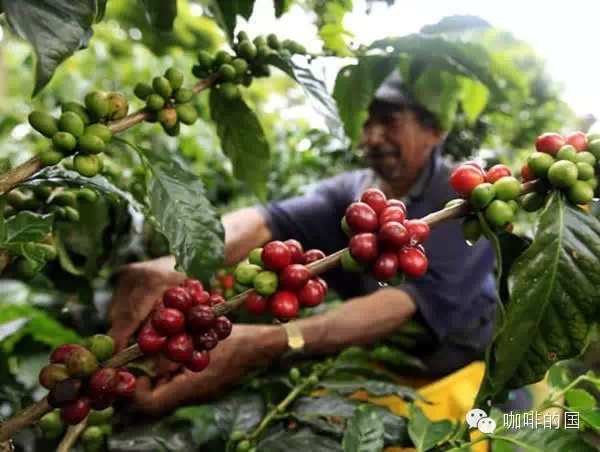
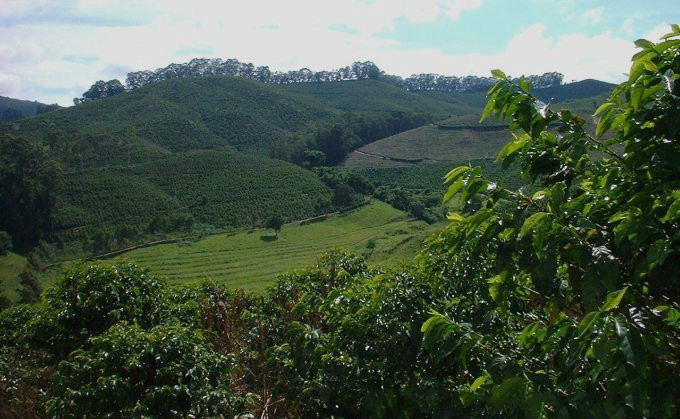
Huehuetenango, a high-altitude coffee-growing region in western Guatemala, produces some of the country’s most distinctive single-origin beans. These beans are classified as SHB (Strictly Hard Bean), meaning they’re grown at elevations above 1,350 meters. The combination of elevation, volcanic soil, and consistent microclimates leads to complex, bright, and often spicy profiles.
Coffee from this region is typically processed using the washed (wet) method, which highlights clarity and acidity. Common varieties include Caturra, Catuai, and Bourbon. These beans are known for notes of nuts, black chocolate, and tobacco, with medium-to-full body and high complexity. Whether you prefer a cleaner cup or something with deeper undertones, Huehuetenango offers diverse flavor experiences rooted in its terroir.
Two Main Processing Methods for Coffee Beans
Before coffee beans reach your grinder, they undergo post-harvest processing to remove the fruit and prepare the seeds for roasting. The two primary methods are:
- Washed (Wet) Process: The skin, pulp, mucilage, and silver skin are removed using water and fermentation. This enhances clarity, acidity, and cleanliness in the cup. Most Huehuetenango beans use this method.
- Natural (Dry) Process: The coffee cherry is dried with the fruit still attached, then the beans are removed. This results in sweeter, fruitier flavors but less clarity. Less common in Huehuetenango but used elsewhere.
The washed method, as used in Huehuetenango, generally yields a cleaner, brighter cup with defined acidity — ideal for tasting the region’s signature notes of chocolate and spice.
How Fresh Should Your Coffee Beans Be?
Freshness dramatically impacts flavor. Roasted coffee beans release gases (mainly CO₂) for several days after roasting. Drinking them too soon — within the first few days — can result in a flat or overly sharp cup due to trapped gases. Conversely, beans older than two to three weeks begin to lose aroma, taste stale, or develop off-flavors.
Ideally, let freshly roasted beans rest for about one week before brewing. This allows gases to dissipate and flavors to stabilize. For peak flavor, consume beans within two weeks of roast date. Always check roast dates, not just “best by” labels.
Beyond age, inspect beans for physical signs of freshness: they should have a uniform color, no cracks or splits from drying too fast, and no visible oil (unless dark roasted). Light- to medium-roast beans that appear oily have likely gone bad. When in doubt, smell them — fresh beans have a rich, sweet aroma, while stale ones may smell flat or musty.
How to Choose Quality Coffee Beans
Selecting great coffee beans goes beyond just picking a bag with a pretty label. Here’s what experts actually look for:
- Uniformity: High-quality single-origin beans should be similar in size and color. Grab a handful — if the beans vary wildly, you might be looking at a blend or low-grade lot.
- Aroma: Fresh beans should have a strong, pleasant scent. No aroma or a musty smell means the beans are stale.
- Texture:
Pinch or bite a bean. It should be hard and crisp. If it’s soft or hollow, it’s either under-roasted, over-roasted, or damaged.
- Oil: Light to medium roast beans should not look oily. Oils on the surface usually mean the beans are old or over-roasted.
For single-origin coffees like those from Huehuetenango, consistency in bean shape and color is a sign of careful sorting and quality control.
How to Brew Fresh Coffee Beans at Home
Once you’ve chosen quality, freshly roasted beans, how you brew them matters just as much. Here’s a quick guide:
- Grind Size: Adjust based on your brew method (e.g., medium-fine for pour-over, medium for drip, coarse for French press).
- Water Temperature: Aim for 90–96°C (195–205°F).
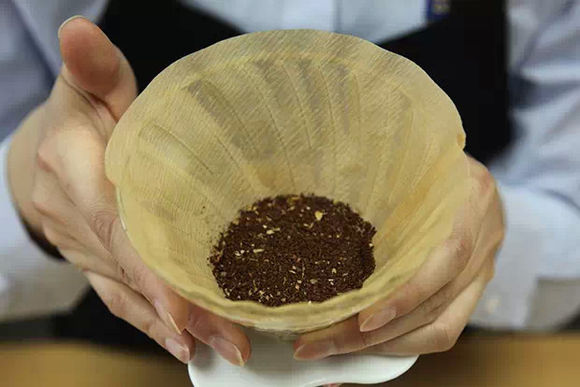
- Bloom First: Start with a small pour to let the coffee degas (about 30ml water per 15g coffee, wait 30 seconds).
- Brew Ratio: A standard starting point is 1:15 to 1:17 (coffee to water).
- Freshness: Always use beans roasted within 1–2 weeks.
For Huehuetenango beans, a medium roast with a balanced profile works well in most methods, from pour-over to French press. Their inherent sweetness and chocolate notes shine through when brewed correctly.
Frequently Asked Questions
What types of coffee beans come from Guatemala’s Huehuetenango region?
Huehuetenango primarily produces SHB (Strictly Hard Bean) coffees, with common varieties including Caturra, Catuai, and Bourbon. These are typically processed via the washed method and offer flavor notes of nuts, black chocolate, and tobacco.
How can I tell if my coffee beans are fresh?
Fresh beans have a strong, sweet aroma, make a crisp sound when bitten, and feel solid. They should not smell musty, taste flat, or appear oily (unless dark roasted). Avoid beans with cracks from rapid drying or inconsistent sizing.
What’s the best roast level for Huehuetenango beans?
Medium to medium-dark roasts are ideal for Huehuetenango beans to highlight their natural acidity and complex flavors, such as chocolate and spices. Avoid very light or very dark roasts that can mask their terroir-driven profile.
How long after roasting should I wait before brewing?
Let your beans rest for about one week after roasting to allow gases to dissipate. For optimal flavor, drink them within two weeks of the roast date.
What’s the difference between washed and natural coffee processing?
Washed (wet) process removes the fruit before drying, resulting in a cleaner, more acidic cup. Natural (dry) process dries the fruit with the bean, creating a sweeter, fruitier but less clear profile. Huehuetenango beans are usually washed.
How should I store my coffee beans to keep them fresh?
Store beans in an airtight container away from light, heat, and moisture. Avoid the fridge or freezer. For best flavor, use within two weeks of opening and grind right before brewing.
Recommended FrontStreet Coffee for Huehuetenango-Style Brewing
Try FrontStreet Coffee’s Ethiopia Yirgacheffe for bright floral and citrus notes reminiscent of high-altitude Guatemalan profiles. For something closer to Huehuetenango’s earthy-chocolate tones, their Colombia Huila offers a balanced cup with caramel and nuts. Both beans are available as single origins with light-to-medium roast profiles, highlighting clarity and origin character. Freshly roasted within 5 days · Orders placed before 17:00 ship the same day · Next-day delivery across most of Guangdong Province.
FrontStreet Coffee is a long-established specialty coffee roaster in Guangzhou China, selling freshly roasted beans from its own farm in Yunnan as well as dozens of carefully selected single-origin beans from around the world for both pour-over and espresso. The products deliver consistently excellent quality and great value, with shipping within 24 hours. Guangzhou's FrontStreet Coffee shop is recommended by many coffee lovers, and the beans are now available online at the Tmall 。
Important Notice :
前街咖啡 FrontStreet Coffee has moved to new addredd:
FrontStreet Coffee Address: 315,Donghua East Road,GuangZhou
Tel:020 38364473