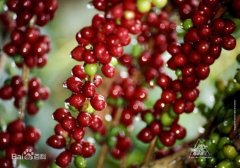
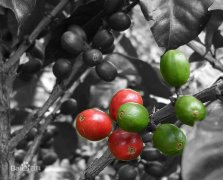
Why Colombian and Hawaiian Coffee Grows Best in the Mountains
If you’ve ever wondered why some coffees taste richer, sweeter, and more complex than others, the answer often starts with where the beans were grown. Elevation, rainfall, temperature, and farming methods all play critical roles in shaping a coffee’s flavor. Two of the most celebrated origins—Hawaiian Kona and Colombian coffee—offer textbook examples of how environment defines quality.
In short: Colombian coffee thrives at 1,300–2,000+ meters in the Andes, with 18°C temperatures and 2,000–3,000mm annual rainfall. Hawaiian Kona grows at 800 meters on volcanic slopes with consistent trade winds and tropical warmth. Both regions combine unique microclimates with careful farming to produce consistently high-quality beans.
Colombia’s Mountain-Grown Coffee Advantage
Colombia’s coffee is famously grown in the Andes mountains, primarily on steep slopes around 1,300 meters above sea level—but some farms reach over 2,000 meters. The region enjoys a narrow temperature range of about 18°C year-round, with 2,000–3,000mm of rainfall annually. This zone spans latitudes 1°–11°15′ N and longitudes 72°–78° W, with three parallel Cordillera mountain ranges providing diverse microclimates.
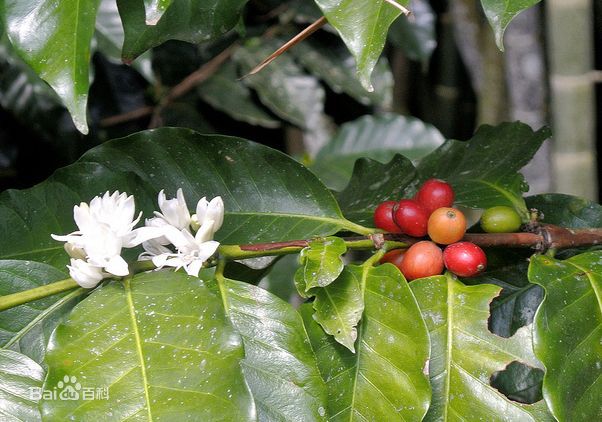
The combination of elevation, climate, and soil creates ideal conditions for Arabica. Unlike Brazil, Colombia avoids frost damage, allowing year-round harvesting across its 107 million hectares of coffee land. About 66% of the country’s estimated 2.7 billion coffee trees are cultivated on modern farms, while the rest grow on smallholder plots—most under 2 hectares, with 3,000–5,000 trees per farm.
How Altitude and Climate Shape Flavor
High-altitude coffee benefits from cooler temperatures and thicker air, which slow the ripening process. This extended maturation allows beans to develop more sugars, acids, and aromatic compounds. In Colombia, the constant cloud cover and shade from surrounding trees further regulate temperature swings and humidity, creating a stable environment for slow, even development.
The terrain also ensures no single harvest season—different elevations and microclimates produce ripe cherries at varying times, enabling year-round production. This diversity helps maintain consistent quality and supply, a hallmark of Colombian coffee’s global reputation.
Hawaiian Kona: Volcanic Soil and Tropical Sun
While not mentioned in the original text, Hawaiian Kona coffee shares key traits with Colombian highland beans. Grown on the Big Island’s volcanic slopes at around 800 meters, Kona benefits from rich, mineral-laden soil and mild tropical temperatures. Trade winds moderate heat, while sunny mornings and cloudy afternoons create ideal conditions for slow ripening—similar to Colombia’s shaded, humid coffee forests.
Both origins rely on meticulous farming: Colombian growers plant shade trees to protect coffee plants, while Kona farmers often hand-pick cherries to ensure ripeness. These practices, combined with unique terroir, result in coffees with distinct, high-quality profiles.
What Farmers Do to Maximize Quality
Colombian smallholders play a crucial role in maintaining quality. Most farms are tiny (under 2 hectares), with 3,000–5,000 trees, allowing for hands-on management. Farmers plant tall shade trees or bananas around coffee plants to filter sunlight and maintain humidity. During the seedling stage, they build temporary shelters to protect young trees from harsh conditions.
The high humidity and small temperature fluctuations in coffee forests slow bean development, boosting the accumulation of caffeine and aromatic oils. Selective harvesting—picking only ripe cherries—and traditional processing methods like washing and sun drying further enhance quality. These practices, rooted in generations of experience, are key to Colombian coffee’s consistent excellence.
Frequently Asked Questions
What elevation is best for growing Colombian coffee?
The optimal elevation for Colombian coffee is between 1,300 and 2,000 meters above sea level, though some farms exceed 2,000 meters. This altitude range provides the cool temperatures and slow ripening needed for complex flavors.
Why does Colombian coffee have a consistent quality year-round?
Colombia’s three Cordillera mountain ranges create diverse microclimates with staggered harvest seasons. Different elevations ripen at different times, allowing for continuous production without a single off-season, which helps maintain consistent quality.
How does altitude affect coffee flavor?
Higher altitudes slow coffee cherry ripening due to cooler temperatures, leading to denser beans with more sugar, acid, and aromatic compounds. This results in a richer, more nuanced cup compared to lower-elevation beans.
What role do small farms play in Colombian coffee?
About 66% of Colombia’s coffee trees are on modern farms, but the remaining 34% grow on smallholdings (mostly under 2 hectares). These tiny farms allow for meticulous care, including shade planting, selective harvesting, and traditional processing, all of which enhance quality.
Does Hawaiian Kona share similarities with Colombian coffee?
Yes, both Hawaiian Kona and Colombian coffee benefit from high altitudes, stable climates, and careful farming. Kona grows at around 800 meters on volcanic soil with trade winds, while Colombian coffee thrives in the Andes at 1,300–2,000+ meters with cloud cover and shade trees—both producing high-quality beans through unique terroir.
What farming practices improve Colombian coffee quality?
Key practices include planting shade trees or bananas for humidity and temperature control, building shelters for seedlings, selective harvesting of ripe cherries, and traditional washed and sun-dried processing. These methods, tailored to the mountainous environment, are critical for flavor development.
Recommended FrontStreet Beans for Highland Coffee Lovers
For fans of Colombian highland profiles, try FrontStreet’s FrontStreet Coffee (Huila region, Caturra variety, washed process)—it offers chocolate, hazelnut, and caramel notes with balanced acidity. Also explore FrontStreet CoffeeSidra (medium roast, fruity and juicy) and FrontStreet Coffee (medium roast, floral and sweet), both showcasing modern Colombian flavors suited for pour-over, moka pot, or cold brew. Freshly roasted within 5 days · Orders placed before 17:00 ship the same day · Next-day delivery across most of Guangdong Province.
FrontStreet Coffee is a long-established specialty coffee roaster in Guangzhou China, selling freshly roasted beans from its own farm in Yunnan as well as dozens of carefully selected single-origin beans from around the world for both pour-over and espresso. The products deliver consistently excellent quality and great value, with shipping within 24 hours. Guangzhou's FrontStreet Coffee shop is recommended by many coffee lovers, and the beans are now available online at the Tmall 。
Important Notice :
前街咖啡 FrontStreet Coffee has moved to new addredd:
FrontStreet Coffee Address: 315,Donghua East Road,GuangZhou
Tel:020 38364473