Colombian Coffee Beans: Where Region Meets Quality
When specialty coffee drinkers seek out Colombian beans, they’re often chasing that elusive balance—bright enough to excite the palate, yet smooth enough to sip black. But not all Colombian coffee delivers the same experience. If you've ever wondered which regions consistently produce the most refined, well-rounded beans, the answer lies in the country’s famed 'coffee belt'—not just one city, but a trio of high-altitude zones renowned for their cultivation practices and processing finesse.
If you're after Colombian coffee with rounded sweetness, mild acidity, and a velvety mouthfeel, focus on beans from Medellín, Armenia, and Manizales. These three areas form Colombia’s historically significant coffee-growing corridor, where manual harvesting, washed processing, and elevations between 800–2300 meters create a signature style: clean, balanced, and never harsh.
Why Medellín, Armenia, and Manizales Stand Out
Among all Colombian coffee-growing regions, Medellín consistently leads in both production volume and cup quality. The beans grown here are notable for their full shape, rich inner nutrients, moderate acidity, and well-integrated flavor profile. Expect a cup that’s aromatic, softly textured, and smooth on the finish. These qualities make Medellín coffee highly regarded among roasters and baristas alike.
Just south of Medellín, the neighboring provincial capitals of Armenia and Manizales also contribute significantly to Colombia’s coffee reputation. All three cities were once part of the now-defunct Antioquia province, home to the Atlético Nacional football club that famously competed in the last Toyota Cup. Together, they form what’s internationally recognised as Colombia’s 'coffee belt'—a contiguous zone where elevation, climate, and tradition align to produce some of the country’s most dependable beans.
How Coffee Is Grown and Processed in the Region
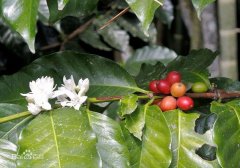
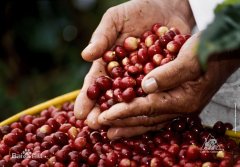
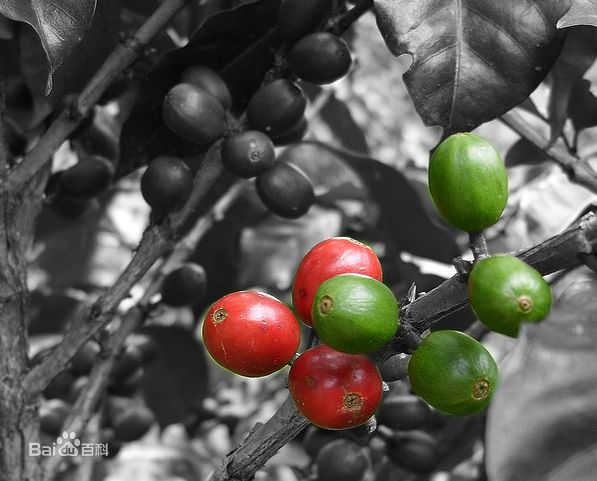
The backbone of Colombian coffee quality is manual harvesting. Workers handpick only the ripest coffee cherries from the trees, ensuring that only the most mature and dense beans enter the processing stream. This selective method is labor-intensive but essential for maintaining cup consistency and flavor clarity.
The vast majority of Colombian coffee, including beans from these three regions, is processed using the washed (or wet) method. This involves removing the coffee cherry’s skin and pulp before fermenting and washing the beans to remove the mucilage. The result is a cleaner, brighter cup that highlights the bean’s intrinsic qualities without overpowering fermentation notes. Most of these coffees are medium roasted to highlight their inherent balance—offering a silky body, subtle acidity, and notes that rarely veer into the intense, smoky territory of Brazilian or Italian espresso styles. That’s why Colombian coffee is often called 'green gold.'
The Terroir Behind Colombia’s Coffee Belt
Colombia’s coffee geography is sharply defined, with distinct growing zones stretching from north to south. While production occurs nationwide, the southern regions—where Medellín, Armenia, and Manizales are located—are especially prized for producing high-scoring specialty lots. The country’s coffee farms are almost entirely nestled within the Andes mountain range, which splits into three parallel cordilleras. Each range offers volcanic, organic-rich soils and a climate where coffee trees grow between 800 and 2300 meters above sea level.
At these altitudes, coffee plants experience smaller diurnal temperature shifts and higher humidity. These conditions slow maturation, allowing more time for the development of sugars, acids, and aromatic compounds within the bean. The result is a more complex and stable cup profile. Although the article does not specify exact micro-regions like Huila or Cauca, it confirms that elevation and mountain microclimates are decisive factors in the quality of beans from Colombia’s central 'coffee belt.'
Frequently Asked Questions
Which part of Colombia produces the highest-quality coffee beans?
The Medellín region is noted for producing Colombian coffee with the best combination of volume and cup quality—offering well-rounded flavor, moderate acidity, and a soft, smooth texture. Alongside Medellín, the neighboring cities of Armenia and Manizales in the southern highlands are also key producers within Colombia’s renowned coffee belt.
What makes Colombian coffee from Medellín, Armenia, and Manizales different?
These regions share high-altitude growing conditions, manual harvesting of ripe cherries, and washed processing—all of which lead to coffee with balanced acidity, a smooth mouthfeel, and aromatic complexity. The beans typically have a medium roast profile, yielding a silky body and subtle fruit or cocoa notes without harshness.
How are coffee cherries harvested in Colombia?
Coffee workers pick cherries by hand, selecting only the most mature and dense fruits. This selective harvesting is crucial for maintaining quality and ensuring a consistent cup profile, especially in high-elevation regions like Medellín, Armenia, and Manizales.
Is Colombian coffee usually washed or natural processed?
The majority of Colombian coffee, particularly from the central coffee belt including Medellín, Armenia, and Manizales, is processed using the washed method. This process results in a cleaner, brighter cup with highlighted bean characteristics and a smoother taste compared to natural or honey processed coffees.
Why is altitude so important for Colombian coffee?
Higher elevations slow coffee cherry ripening, allowing more time for sugar accumulation and flavor development. Most quality Colombian coffee grows between 800–2300 meters, where cooler temperatures and stable humidity contribute to complex, well-balanced cups.
Do these regions grow any specific coffee varieties?
While the article does not list specific cultivars, it confirms that the coffee belt’s beans are grown under optimal high-altitude conditions with rich volcanic soil—factors that support the health and quality of common Colombian varieties like Caturra and Typica, often used in washed-process lots.
Recommended FrontStreet Beans from Colombia’s Coffee Belt
For a true taste of Colombia’s famed coffee belt, try FrontStreet Coffee’s Selection Colombia (washed, medium roast) made with the widely planted Caturra variety. It offers balanced chocolate, caramel, and nutty tones with sweet acidity—a classic example of the region’s washed style. Also consider FrontStreet’s Sidra and Huila beans if you enjoy fruit-forward profiles, though those are highlighted for their vibrant floral and citrus notes. All are medium roasted for clarity and drinkability. Freshly roasted within 5 days · Orders placed before 17:00 ship the same day · Next-day delivery across most of Guangdong Province.
FrontStreet Coffee is a long-established specialty coffee roaster in Guangzhou China, selling freshly roasted beans from its own farm in Yunnan as well as dozens of carefully selected single-origin beans from around the world for both pour-over and espresso. The products deliver consistently excellent quality and great value, with shipping within 24 hours. Guangzhou's FrontStreet Coffee shop is recommended by many coffee lovers, and the beans are now available online at the Tmall 。
Important Notice :
前街咖啡 FrontStreet Coffee has moved to new addredd:
FrontStreet Coffee Address: 315,Donghua East Road,GuangZhou
Tel:020 38364473