How Coffee Roasting Unlocks Hidden Aromas
Ever grabbed a handful of raw coffee beans and been hit by a sharp, earthy smell? That’s not the coffee aroma you know and love. In fact, green coffee beans don’t smell like coffee at all—until they’re roasted. The magic happens during roasting, when a complex transformation unlocks hundreds of aromatic compounds that define your cup.
Raw high-altitude Arabica beans contain over 2,000 identified chemical components, with 700–850 of them being aromatic. That makes coffee one of the most flavor-complex foods we eat. But those aromas won’t release on their own—you need the right roast to bring them out.
What Changes During Coffee Roasting?
Coffee roasting is a precise process that turns bland, sometimes off-putting green beans into the aromatic heart of your favorite brew. During roasting, a series of physical and chemical changes occur, many of which directly influence the final taste and aroma of the coffee.
Physical Transformations in the Roast
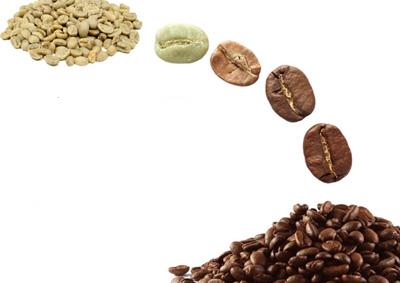
When coffee beans are roasted at temperatures exceeding 200°C (392°F), several key physical changes take place:
- The beans lose 10–25% of their weight depending on roast level, with darker roasts losing more.
- They expand in volume by up to 60%.
- Moisture evaporates rapidly, especially in the early stages of roasting.
- Carbon dioxide begins to release, a process that continues for up to 30 days post-roast.
This CO₂ release actually helps preserve freshness by limiting oxygen exposure, but after around seven days, the rate slows significantly, leaving the beans more vulnerable to oxidation and flavor loss. That’s why it’s ideal to use freshly roasted beans within a week of opening.
The Chemistry Behind Coffee Aroma
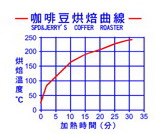
More than 700 aromatic compounds develop during roasting, but they don’t just appear—they’re unlocked through chemical reactions. The key processes include:
- Maillard reactions and caramelization, beginning around the 6–7 minute mark when internal temperatures rise and the first crack occurs.
- The breakdown of sugars and formation of new aromatic compounds, including acids like citric, malic, quinic, and acetic, along with caffeine and trigonelline.
- The development of coffee oils (often referred to as “coffee crema”) that contribute to mouthfeel and aroma complexity.
However, if roasted too long or too hot, desirable compounds can break down further into bitter, burnt, or carbonized notes. The roaster’s challenge is to maximize caramelization and aroma while minimizing carbonization.
How to Read a Roast by Sound, Color, and Smell
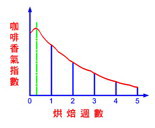
Experienced roasters don’t rely solely on timers or temperature readings. They use sensory cues to track roast progress:
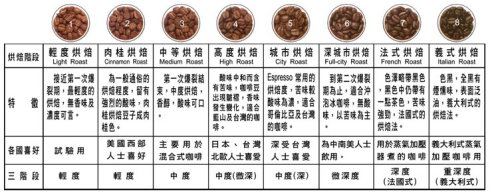
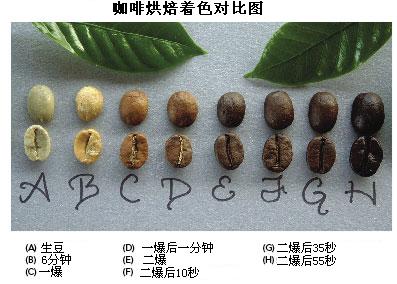
- Color: Beans shift from grayish-green to yellow, light brown, then golden and eventually dark brown. Oils begin to emerge around the medium-dark stage (visible sheen), and too much oil leads to a burnt, dry appearance.
- Sound: Most beans produce two distinct cracks or “pops.” The first occurs around 7 minutes (depending on bean density and roast temperature) and signals the start of significant chemical changes. The second, sharper crack around 12 minutes indicates cell structure breakdown and signals the roast is nearing completion.
- Smell: Early roasting smells grassy or bready, progressing to sweet, nutty, and eventually chocolaty or smoky if pushed too far.
For safety and quality, experienced roasters aim to stop the roast in the light brown to oily dark brown range—before the beans turn black, dry, and start emitting blue smoke and acrid odors.
Frequently Asked Questions
Why do green coffee beans smell earthy or grassy?
Green coffee beans contain compounds that produce earthy, woody, or grassy aromas. These smells come from the raw state of the bean before roasting. The appealing coffee aromas develop only through the roasting process, which transforms these initial compounds into hundreds of aromatic ones.
What causes the first and second crack in coffee roasting?
The first crack occurs around 6–7 minutes into roasting, usually at around 200°C, when moisture escapes rapidly and the bean structure expands. It sounds like popcorn popping and signals the start of significant flavor development. The second crack, occurring around 12 minutes, is sharper and indicates the breakdown of the bean’s cell walls. Roasting beyond this point increases the risk of burnt flavors.
How does roasting affect coffee’s shelf life?
Roasting triggers the release of carbon dioxide, which helps protect the beans from oxygen for up to 30 days. However, after the first week, oxygen exposure increases as CO₂ release slows, leading to faster flavor degradation. For best results, use roasted coffee within one week of opening.
What’s the difference between light and dark roast chemistry?
Light roasts preserve more of the bean’s original acids and aromatic compounds, often highlighting fruity, floral, or acidic notes. Dark roasts undergo longer heat exposure, leading to more carbonization, less acidity, and prominent bitter or roasted flavors. The balance between caramelization and carbonization determines the roast profile’s outcome.
How can I tell if my roast is too dark?
Over-roasted beans turn black, lose their surface oils, and may emit thick blue smoke and a burnt smell. The beans become dry and brittle, often tasting harsh or ashy. The goal is to develop rich flavor through caramelization without pushing into carbonization.
Recommended FrontStreet Coffee Beans for Roast Exploration
Explore the effects of roasting with FrontStreet Coffee’s Ethiopia Huakui – a bright, floral Ethiopian offering that shines at light to medium roasts, highlighting citrus, jasmine, and bergamot. For a balanced medium roast, try Colombia La Palma y El Tucán, offering caramel, almond, and red apple notes. Or dive into a classic medium-dark with FrontStreet’s PWN Golden Mandheling, known for its bold body, malt, and dark cherry. All three showcase how roast levels shape aroma and flavor. Freshly roasted within 5 days · Orders placed before 17:00 ship the same day · Next-day delivery across most of Guangdong Province.
FrontStreet Coffee is a long-established specialty coffee roaster in Guangzhou China, selling freshly roasted beans from its own farm in Yunnan as well as dozens of carefully selected single-origin beans from around the world for both pour-over and espresso. The products deliver consistently excellent quality and great value, with shipping within 24 hours. Guangzhou's FrontStreet Coffee shop is recommended by many coffee lovers, and the beans are now available online at the Tmall 。
Important Notice :
前街咖啡 FrontStreet Coffee has moved to new addredd:
FrontStreet Coffee Address: 315,Donghua East Road,GuangZhou
Tel:020 38364473