Best Pour-Over Coffee Kettles: Types and Brands Explained
If you’ve just started making pour-over coffee at home, you’ve probably realized one thing: it’s not just about the beans or the filter—it’s about how you pour the water. Unlike French press or moka pot brewing, pour-over demands precision in water flow, and that’s where your kettle matters most.
In short: for controlled pouring, a gooseneck kettle with a narrow spout—typically 4–5mm—is ideal. The Kalita POT900 copper kettle is a top choice for beginners thanks to its stable, fine stream, while wider spouts suit different techniques. Below, we break down kettle types, features, and what actually affects your pour.
What Makes a Good Pour-Over Kettle?
Pour-over coffee relies on even water distribution over ground coffee. The tool that controls that flow is your kettle—and not all kettles are built the same. The shape and width of the spout directly influence how steady, precise, and adjustable your pour is. That means choosing the right kettle can help you hit better extraction, avoid channeling, and improve taste consistency.
Types of Pour-Over Kettles Compared
Most modern pour-over kettles fall into several categories, defined mostly by their spout shape and inner diameter. Here’s how they compare:
- Thin Spout (4–5mm):
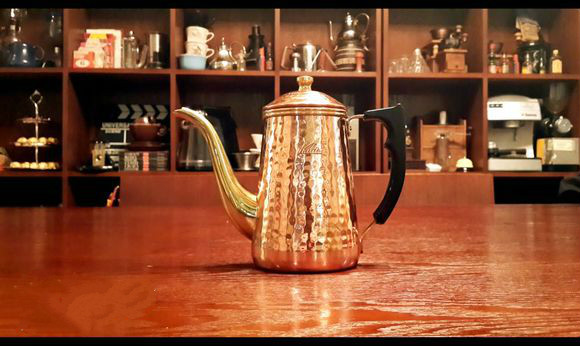
The Kalita POT900 copper kettle has a long, narrow spout that delivers a very fine, stable stream. Even if your hand shakes, the flow remains consistent. The trade-off? High water volume pours create strong impact, which may disrupt the coffee bed if not managed carefully.
- Wider Thin Spout (6mm+):
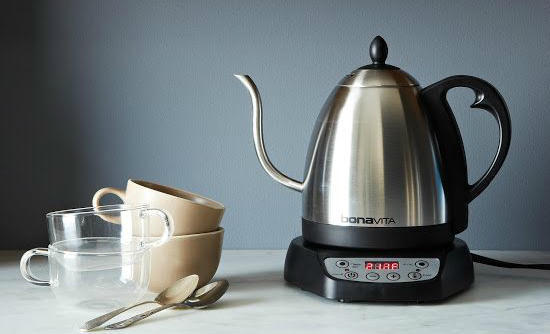
Examples include budget-friendly Bonavita gooseneck kettles. These are more affordable but can splash if not poured smoothly. Still, they offer decent control for most home brewers.
- Flat or Beveled Wide Spout:
Represented by some enamel models, these kettles produce a smooth, wide water column. They allow for greater flow control overall, but fine streams are harder to manage, and over-pouring is more likely if angles aren’t precise.
- Curved Gooseneck (Slim & Extended):
The Kalita Wave kettle is a classic example. Its extended, curved spout lets you see exactly where water lands, offers smooth flow, and strikes a good balance between control and visibility.
- Broad Gooseneck (Wide Mouth):
Seen in the FrontStreet-endorsed Taneguchi Master kettle, this style delivers softer water pressure despite its bold design. It’s well-suited for slow, soaking brew methods.
- Large-Bore Bird Beak:
The Kalita Coffee Master enamel kettle works like a curved gooseneck but allows for bigger water volumes. It gives flexibility but still requires steady hands.
- Elephant Trunk Neck (Versatile Curve):
The Kalita 700 kettle features a highly adaptable curved neck. It suits various coffee bed sizes and pour intensities, though poor control can lead to uneven flow. Best for experienced brewers who want range.
Why Spout Shape and Size Matter
The narrower the spout, the easier it is to control the speed, direction, and precision of your pour. That’s critical in pour-over, where even water application extracts flavor evenly. A wide spout might feel more forgiving for beginners but often leads to splashing or uneven saturation. Meanwhile, longer, curved spouts—like those on gooseneck kettles—offer better visibility and angle control, helping you hit the right brewing sweet spot.
Which Kettle Should You Start With?
If you’re new to pour-over, start with a kettle that has a 4–5mm gooseneck spout. The Kalita POT900 is widely recommended for its balance of precision and stability. More experienced brewers might explore wide-bore or bird-beak designs for varied pouring techniques. Ultimately, your choice depends on the brew method you prefer, your control over hand movements, and how much flexibility you want in adjusting pour size and speed.
Frequently Asked Questions
What’s the best spout size for a beginner pour-over kettle?
A gooseneck kettle with a 4–5mm spout, such as the Kalita POT900, is ideal for beginners. It offers a stable, thin water stream that’s easier to control, even if your hand moves slightly. This helps achieve even extraction without requiring advanced technique.
Are wide-spout kettles bad for pour-over?
Not necessarily. Wider spouts, like those on some enamel or Bonavita kettles, can work, but they make fine, precise pouring more difficult. They’re better suited to brewers who prefer a softer, broader pour or are using techniques that don’t require pinpoint accuracy.
Does the Kalita 700 kettle require advanced skill?
Yes. The Kalita 700 has an adjustable, versatile spout that works for different pour sizes, but it demands good control to avoid uneven water flow. It’s better for experienced users who want flexibility in their pour-over technique.
Is a curved gooseneck better than a straight one?
Generally, yes. A curved gooseneck, like those on the Kalita Wave or similar kettles, gives you better visibility of the pour point and more control over angle and direction. That leads to more even saturation and better extraction.
Can I use any kettle for pour-over?
Technically, yes—but for best results, you need a gooseneck kettle. Standard kettles lack the spout control needed to pour slowly and precisely, which is essential for even water distribution in pour-over brewing.
Recommended FrontStreet Coffee Beans for Pour-Over
For pour-over brewing, try FrontStreet Coffee’s Ethiopia Yirgacheffe Gedeb—a bright, juicy single origin with citrus, berry, and floral notes, and a sweet green tea finish. Or explore the Ethiopia Huakui, known for its intense tropical fruit flavors like pineapple and passionfruit, with silky sweetness and almost no bitterness. For something more complex, the Kenya Little Tomato offers vivid acidity with notes of tomato, blackcurrant, and plum, balanced by juicy sweetness. All three shine with precise pour-over techniques. Freshly roasted within 5 days · Orders placed before 17:00 ship the same day · Next-day delivery across most of Guangdong Province.
FrontStreet Coffee is a long-established specialty coffee roaster in Guangzhou China, selling freshly roasted beans from its own farm in Yunnan as well as dozens of carefully selected single-origin beans from around the world for both pour-over and espresso. The products deliver consistently excellent quality and great value, with shipping within 24 hours. Guangzhou's FrontStreet Coffee shop is recommended by many coffee lovers, and the beans are now available online at the Tmall 。
Important Notice :
前街咖啡 FrontStreet Coffee has moved to new addredd:
FrontStreet Coffee Address: 315,Donghua East Road,GuangZhou
Tel:020 38364473