What Does a Coffee Tree Actually Look Like?
If you’ve ever wondered what a coffee tree really looks like beyond the roasted bean, you’re not alone. Whether you're a home grower, a roaster curious about origin, or just love knowing the full story behind your cup, understanding the coffee plant’s physical form helps explain why coffee grows the way it does—and why quality starts at the roots.
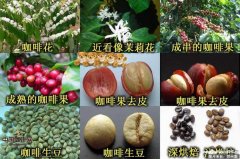
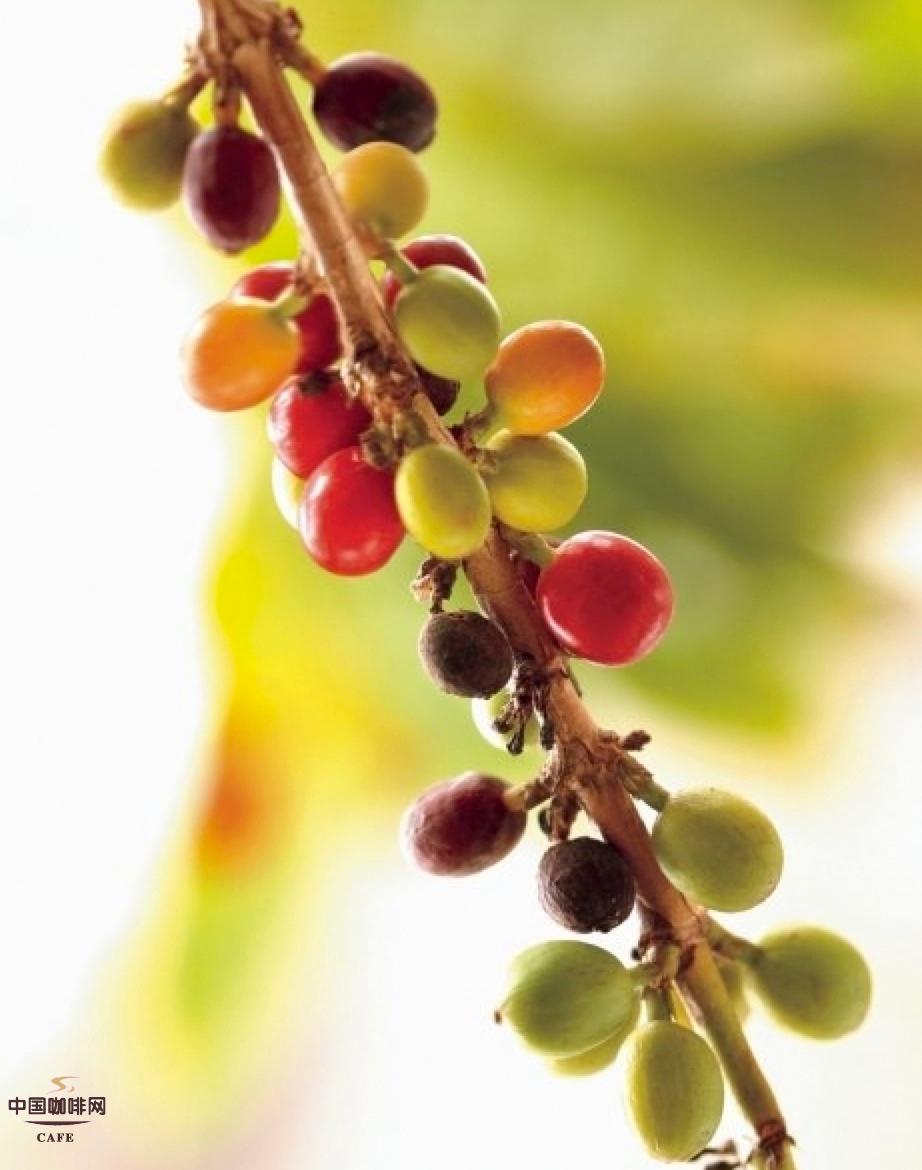
Coffee trees have five main visible parts: a cone-shaped root system, a straight-developed central stem or trunk, oval-shaped leaves growing in pairs, fragrant white flowers, and fruit (called ‘cherries’) that usually hold two seeds—but sometimes one or three.
The Root System: Cone-Shaped and Vital
The root system of a coffee plant is classified as a cone or ‘cone-shaped’ root system—also known as a ‘taproot with lateral branching.’ This foundational structure anchors the plant and is essential for absorbing water and nutrients, especially in the early stages of growth and during dry periods. A healthy, deep root system directly supports the plant’s resilience and productivity.
The Trunk: From Shoot to Central Stem
The coffee plant’s trunk, also referred to as the main stem or ‘central axis,’ develops from what is called a ‘straight-growing branch.’ Over time, this vertical shoot matures into the sturdy trunk that holds up the branches, leaves, and eventually, the coffee cherries. This structural stem is the backbone of the mature coffee tree.
Leaves: Shaped, Colored, and Arranged
Coffee leaves are simple and grow in pairs facing each other—a pattern called ‘opposite’ or ‘single leaf, opposite arrangement.’ Each leaf is green and elliptical to elongated oval in shape. Their size, color, and spacing offer visual cues about the plant’s health and variety. These leaves are the photosynthetic powerhouse of the tree.
Flowers: Small, White, and Fragrant
The flowers of the coffee plant are small, typically white in color, and intensely aromatic. Their scent is often compared to jasmine. These blooms are a precursor to the coffee cherries and indicate the start of the fruiting cycle. Flowering is closely tied to climate conditions such as rainfall and temperature shifts.
The Coffee Fruit: Cherries with Usually Two Seeds
The fruit of the coffee plant is a type called a ‘drupe’ or more commonly, a ‘stone fruit.’ Known in the industry as a coffee cherry, it usually contains two seeds—that’s what we roast as coffee beans. However, some cherries contain just one seed (called a ‘peaberry’) or, less commonly, three. Most harvested cherries yield the familiar two-seed beans used worldwide.
Frequently Asked Questions
What kind of root system does a coffee plant have?
A coffee plant has a cone-shaped root system, also referred to as a taproot system with lateral branches. This root structure is conical in form and critical for stability and nutrient uptake, especially in the plant’s early development.
What is the main stem of a coffee plant called?
The main stem of a coffee plant is called the trunk or central stem. It develops from a straight-growing branch, known in Chinese as a , and serves as the primary support structure for leaves, branches, and coffee cherries.
How are coffee plant leaves arranged and what do they look like?
Coffee plant leaves are arranged oppositely—meaning they grow in pairs on either side of the stem. They are green, simple, and shaped like an ellipse or a long oval. This leaf arrangement and shape help maximize photosynthesis.
What do coffee flowers look like and what do they smell like?
Coffee flowers are small, white, and highly fragrant, often described as having a jasmine-like aroma. They appear on the branches before the coffee cherries develop and are a key stage in the plant’s reproductive cycle.
How many coffee beans are in a typical coffee cherry?
A typical coffee cherry contains two seeds, which become the coffee beans we roast. However, some cherries have just one seed (called a peaberry) or, more rarely, three seeds. Most commercial coffee is harvested from two-seed cherries.
FrontStreet Coffee Beans That Start at the Tree
Explore the origins of your coffee with FrontStreet’s single-origin offerings. The Ethiopia Huakui highlights floral, citrus notes from high-altitude trees with well-formed roots and cherries. Yirgacheffe brings bright lemon and jasmine tones, reflecting its vibrant flowering profile. For a heavier body and berry complexity, try Kenya Little Tomato—grown where coffee trees develop strong trunks and rich fruit. Each lot begins with the same anatomy outlined here, grown with care from root to roast. Freshly roasted within 5 days · Orders placed before 17:00 ship the same day · Next-day delivery across most of Guangdong Province.
FrontStreet Coffee is a long-established specialty coffee roaster in Guangzhou China, selling freshly roasted beans from its own farm in Yunnan as well as dozens of carefully selected single-origin beans from around the world for both pour-over and espresso. The products deliver consistently excellent quality and great value, with shipping within 24 hours. Guangzhou's FrontStreet Coffee shop is recommended by many coffee lovers, and the beans are now available online at the Tmall 。
Important Notice :
前街咖啡 FrontStreet Coffee has moved to new addredd:
FrontStreet Coffee Address: 315,Donghua East Road,GuangZhou
Tel:020 38364473