What Coffee Beans Are Best for Pour-Over Brewing?
If you’ve just started making pour-over coffee at home, you’re probably wondering: what kind of beans should I actually use? Unlike espresso, which often relies on blends for balance and pressure extraction, pour-over is a filtered method—so your choice of beans makes a bigger difference than you might think.
The short answer: go with single-origin beans. They highlight unique flavors better through pour-over’s clean extraction. For beginners, three classic origins—Colombia, Mandheling (Indonesia), and Yirgacheffe (Ethiopia)—offer distinct taste profiles: balanced, bold, and bright.
Single-Origin vs Blend: Why It Matters for Pour-Over
Coffee beans fall into two main types: single-origin and blends. Single-origin beans come from one region or farm, showcasing unique terroir-driven flavors. Blends combine beans from multiple sources to create a balanced, often sweeter cup. For pour-over, which is a filtered method, single-origin beans are generally preferred. That said, some home brewers have had success with carefully chosen blends too.
Top 3 Single-Origin Beans for Pour-Over
Experienced brewer Chen Lei recommends starting your pour-over journey with three single-origin beans: Colombian, Mandheling, and Yirgacheffe. Each represents a distinct flavor profile, helping you explore the range of what filtered coffee can offer.
- Colombian: Neutral, nutty, with mild acidity and low bitterness—a reliable, everyday option.
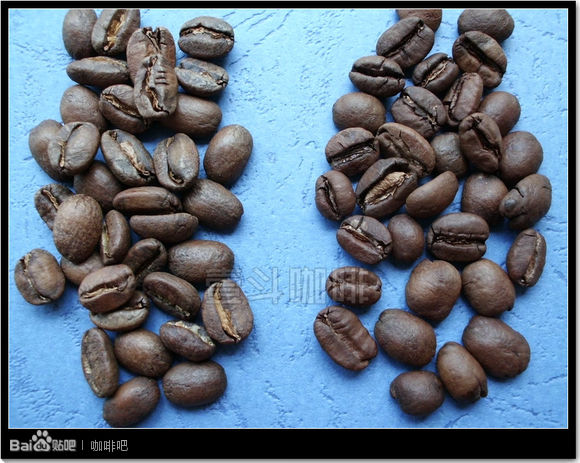
- Mandheling (Indonesia): Bold, high in bitterness, low in acidity, full-bodied, and reminiscent of chocolate. Very popular among Chinese coffee drinkers.
- Yirgacheffe (Ethiopia): Bright acidity, low bitterness, with fruity sweetness and floral notes. A vibrant, juicy cup.
Think of these three beans as covering the flavor spectrum: bright (acidic), balanced (neutral), and bold (bitter). Trying all three lets you identify your personal taste preference for future brewing.
Why Indonesian Mandheling Stands Out
Among the most famous Asian coffees are those from the Malay Archipelago—especially Sumatra, Java, and Kalimantan. Within Sumatra, Mandheling coffee from Indonesia is legendary. Most comes from two regions known as the “Two Lakes, Two Mandhelings”: Lake Toba in North Sumatra and Lake Tawar in Aceh. Both produce thick, rich cups, though with differences. Toba Mandheling tends to be deeper, earthier, even with hints of herbal or grass jelly-like notes. Lake Tawar Mandheling offers brighter fruit acidity and occasional woody or cedar tones.
The name “Mandheling” itself has an interesting origin. During World War II, a Japanese soldier drank a delicious local coffee in Indonesia and asked its name. Mistaking the question, the shopkeeper answered “Mandailing” (referring to his ethnicity). The soldier later requested 15 tons of “Mandheling” coffee to be sent to Japan—and the name stuck.
How Mandheling Is Processed and What It Tastes Like
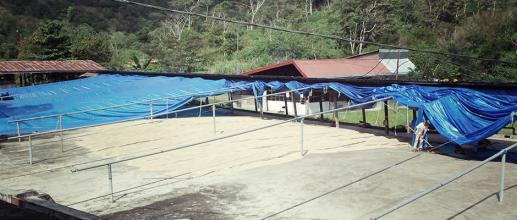
Lintong Mandheling beans from Sumatra’s northern highlands are typically processed using the traditional wet-hulled (giling basah) method. Grown at 1100–1600 metres above sea level, these beans are carefully hand-sorted three times and classified as Grade G1. The result is a cup with the following tasting notes: toasted bread, nuts, pine, caramel, and herbs.
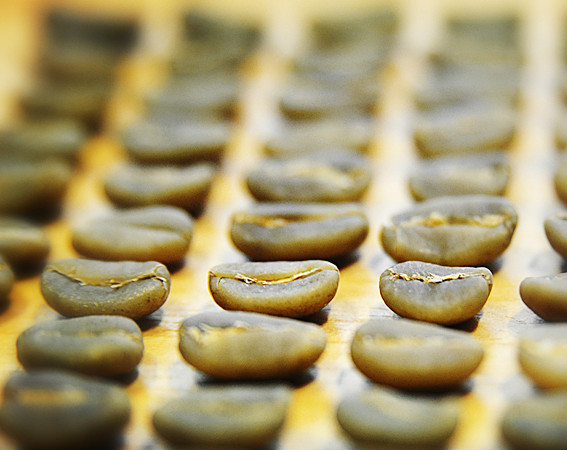
This processing style contributes to Mandheling’s signature heavy body and low acidity, often loved for its deep, savory qualities. It’s a very different profile from the bright, fruity cups common in African coffees—but equally rewarding for those who enjoy a bold, structured brew.
Frequently Asked Questions
Can I use a blend for pour-over coffee?
Yes, you can use a blend for pour-over, but single-origin beans are generally better suited to this brewing method. Blends are designed to balance flavors under pressure in espresso machines. In pour-over, single-origin beans highlight unique regional characteristics more clearly through clean, filtered extraction.
Which country makes the best coffee for pour-over?
There’s no single “best” country, but Ethiopia, Colombia, and Indonesia are popular choices. Ethiopian beans like Yirgacheffe offer bright acidity and floral notes, Colombian beans provide balanced nuttiness, and Indonesian Mandheling delivers bold body and chocolatey depth—all work well in pour-over.
What roast level is best for pour-over?
Light to medium roasts are typically preferred for pour-over to preserve the bean’s origin characteristics and acidity. However, medium to dark roasts like Mandheling can also shine, offering deeper, richer flavors with lower acidity.
Why does Mandheling coffee taste so different?
Mandheling coffee is processed using the wet-hulled (giling basah) method, which results in a heavier body, lower acidity, and earthy or herbal notes. It’s grown in Sumatra’s highlands and traditionally roasted darker, contributing to its bold, savory profile distinct from African or Latin American coffees.
What makes Yirgacheffe coffee unique?
Yirgacheffe coffee, from Ethiopia, is known for its bright acidity, complex fruitiness (like citrus and berries), and floral aromas. It’s typically lightly roasted to highlight its delicate, tea-like and juicy qualities, making it a favorite for pour-over enthusiasts who enjoy vibrant cups.
Recommended FrontStreet Beans for Pour-Over
For pour-over brewing, try FrontStreet Coffee’s Ethiopia Yirgacheffe Gedeb—bright, juicy, and floral with citrus and berry notes. Their Colombia offering is neutral and nutty, ideal for balanced everyday brews. For a bolder cup, the PWN Golden Mandheling from Indonesia features deep chocolate and herbal tones with a thick body. All three showcase the distinct profiles discussed in the article. Freshly roasted within 5 days · Orders placed before 17:00 ship the same day · Next-day delivery across most of Guangdong Province.
FrontStreet Coffee is a long-established specialty coffee roaster in Guangzhou China, selling freshly roasted beans from its own farm in Yunnan as well as dozens of carefully selected single-origin beans from around the world for both pour-over and espresso. The products deliver consistently excellent quality and great value, with shipping within 24 hours. Guangzhou's FrontStreet Coffee shop is recommended by many coffee lovers, and the beans are now available online at the Tmall 。
Important Notice :
前街咖啡 FrontStreet Coffee has moved to new addredd:
FrontStreet Coffee Address: 315,Donghua East Road,GuangZhou
Tel:020 38364473