How Honey Processed Coffee Is Made and Graded
When you taste a coffee with intense sweetness, a syrupy body, and fruity or floral notes—but without the heavy fermentation of a natural process—chances are you’re drinking a honey processed coffee. But what exactly is honey processing, and why does it create such distinct flavors? This guide explains how it works, how it’s graded, and what to expect cup-wise.
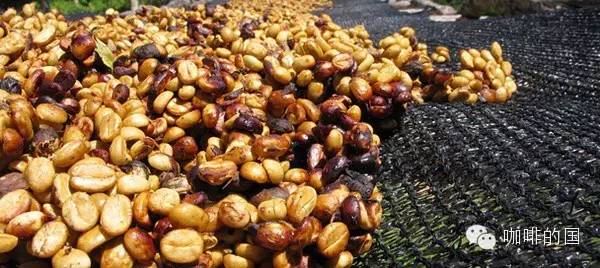
Honey processed coffee is made by removing the coffee cherry skin and pulp but leaving some or all of the sticky, sugary mucilage—called 'honey'—on the beans during drying. This mucilage is up to 90% sugar, and its retention level directly affects the coffee’s sweetness and acidity. Unlike washed coffee, it skips full fermentation; unlike natural, it dries faster with less risk of over-fermentation.
What Is Honey Processing?
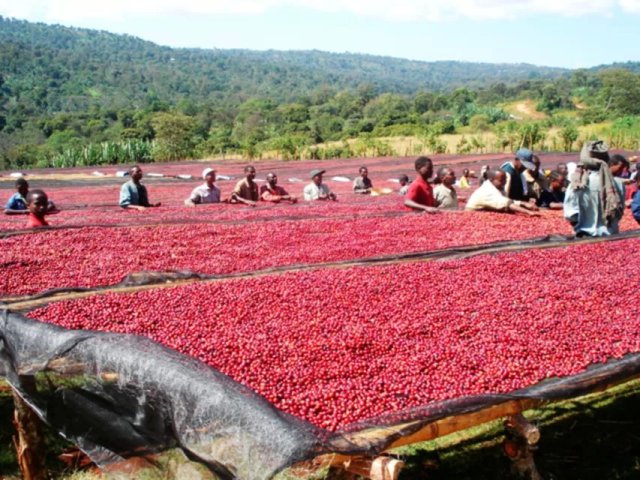
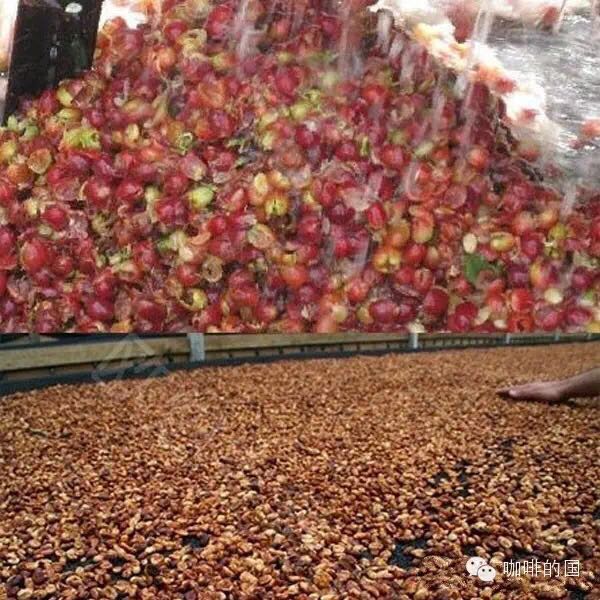
Honey processing originated as a variation of the pulped natural method, where coffee skins are removed but some fruit residue remains. It was widely adopted in Brazil as a semi-washed technique and later refined in Costa Rica. In honey processing, after picking, sorting, and removing the outer skin and pulp, the beans are dried with part or all of their mucilage still attached. This speeds up drying compared to natural processing while still imparting rich sweetness. Because the sticky mucilage dries quickly, there’s minimal fermentation during drying, leading to lower acidity than washed coffee but more complexity than pure natural processing.
How Is Honey Process Coffee Graded by Mucilage Level?
Coffee producers classify honey process by the percentage of mucilage left on the beans. This isn’t measured precisely in all cases, but typically falls into four categories:
- 40% mucilage retained (often called White or Light Honey)
- 60% mucilage retained
- 80% mucilage retained
- 100% mucilage retained (known as Black Honey)
The higher the mucilage, the sweeter and fuller the profile—but also the more labor-intensive and risky the drying process. Some farms deliberately remove part of the mucilage to control fermentation and acidity. Tools and techniques vary, especially in regions where water was historically used to transport beans, which can wash away part of the mucilage before processing even begins.
How Is Honey Coffee Graded by Color?
In Costa Rica, honey processed coffees are also graded visually by the color of the dried beans, which reflects how much light they received during drying. The three main grades are:
- Yellow Honey: Dried with maximum sun exposure and shortest drying time (about one week). These beans receive the most light and heat, resulting in a lighter color and milder sweetness.
- Red Honey: Dried for 2–3 weeks, often in shaded or cloudy conditions. Less light slows drying and develops more body and fruitiness.
- Black Honey: Dried the longest—minimum two weeks—in full shade with minimal light. This slowest, most labor-intensive method creates the darkest beans, richest sweetness, and highest cost due to complexity and handling.
Yellow honey coffees tend to be brighter and easier-drinking, while red and black honeys develop deeper complexity and syrupy mouthfeel. Black honey in particular demands careful attention to avoid mold or uneven drying, justifying its premium price.
Real-World Examples of Honey Processed Coffees
In Costa Rica’s Central Valley, the Phoenix Estate produces renowned red honey processed coffees at 1,300–1,500m altitude. Using Catuaí and Caturra varieties, the estate measures fruit Brix levels with a refractometer, only processing cherries with over 20% sugar content. Their red honey lots are known for thick body, honey-like sweetness, and dried fruit flavors. The farm is fully organic, uses worm composting, and collects rainwater for processing.
Meanwhile, in Ethiopia’s Yirgacheffe region—part of the larger Sidama zone—the Kochere micro-region produces washed G2-grade beans with floral and citrus profiles, offering contrast to honey processed examples. While not honey processed, these beans illustrate how processing method dramatically shifts flavor outcomes even within the same region.
Frequently Asked Questions
What is honey process coffee?
Honey process coffee is made by removing the coffee cherry’s skin and pulp but leaving some or all of the sticky mucilage on the beans during drying. This mucilage is high in sugars, which ferment slightly and give the coffee a sweet, syrupy profile without the full fermentation of natural process coffees.
What are the different types of honey processed coffee?
Honey processed coffees are commonly categorized by mucilage levels into 40%, 60%, 80%, and 100% (Black Honey). They are also graded by drying color: Yellow Honey (fast, sunny drying), Red Honey (moderate shade), and Black Honey (slow, shaded drying), each affecting sweetness, body, and flavor complexity.
Does honey processed coffee taste like honey?
Not literally. The term 'honey' refers to the sticky, sugary mucilage left on the beans during drying—not added flavor. However, the retained mucilage often gives the coffee a sweet, sometimes caramelized or fruity flavor reminiscent of honey.
Why do some honey process coffees look yellow, red, or black?
The color depends on how long and under what conditions the beans dry. Yellow Honey dries fastest in full sun, Red Honey dries slower with some shade, and Black Honey dries slowest in full shade—each resulting in a different bean color and flavor profile.
Is honey processed coffee more expensive?
Often yes, especially Black Honey lots. They require careful monitoring, longer drying times, and more labor to avoid over-fermentation or mold, particularly when dried in shade with all mucilage retained.
Where is honey process coffee most common?
Honey processing is widespread in Costa Rica and popular throughout Central America. It originated as a modified pulped natural technique and has become a defining method for many farms in the region due to its balance of sweetness, body, and manageable fermentation risk.
Recommended FrontStreet Beans for Honey Process Fans
For honey process enthusiasts, try FrontStreet Coffee’s Red Honey-processed lot from the Phoenix Estate in Costa Rica’s Central Valley, showcasing thick body and honey-like sweetness. Also explore FrontStreet’s Black Honey Geisha-influenced blend, Strawberry Candy Espresso, with grape, berry, and dark fruit notes. For a Brazilian take, FrontStreet’s Blackberry Coffee uses nearly 100% mucilage retention, offering floral tones and ripe berry depth. All are crafted with precision and fresh-roasted for peak flavor. Freshly roasted within 5 days · Orders placed before 17:00 ship the same day · Next-day delivery across most of Guangdong Province.
FrontStreet Coffee is a long-established specialty coffee roaster in Guangzhou China, selling freshly roasted beans from its own farm in Yunnan as well as dozens of carefully selected single-origin beans from around the world for both pour-over and espresso. The products deliver consistently excellent quality and great value, with shipping within 24 hours. Guangzhou's FrontStreet Coffee shop is recommended by many coffee lovers, and the beans are now available online at the Tmall 。
Important Notice :
前街咖啡 FrontStreet Coffee has moved to new addredd:
FrontStreet Coffee Address: 315,Donghua East Road,GuangZhou
Tel:020 38364473