Healthy Nutrients in Coffee and How to Drink It Safely
If you’ve ever taken a sip of coffee only to taste something off—maybe leftover toothpaste or breakfast—you’re not alone. Many experienced coffee drinkers instinctively take a drink of water first. That small step clears your palate, letting the true aroma and flavor of the coffee shine through.
The short answer? Coffee contains key compounds like caffeine, polyphenols, and diterpenes such as cafestol. Drinking water beforehand improves taste and helps avoid dehydration. But moderation is essential—especially for pregnant women, the elderly, and heavy drinkers—to avoid risks including bone loss, fetal harm, and possible cancer risk with overconsumption.
What’s Really in Your Cup of Coffee?
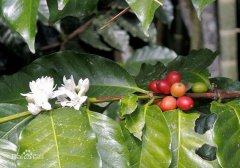
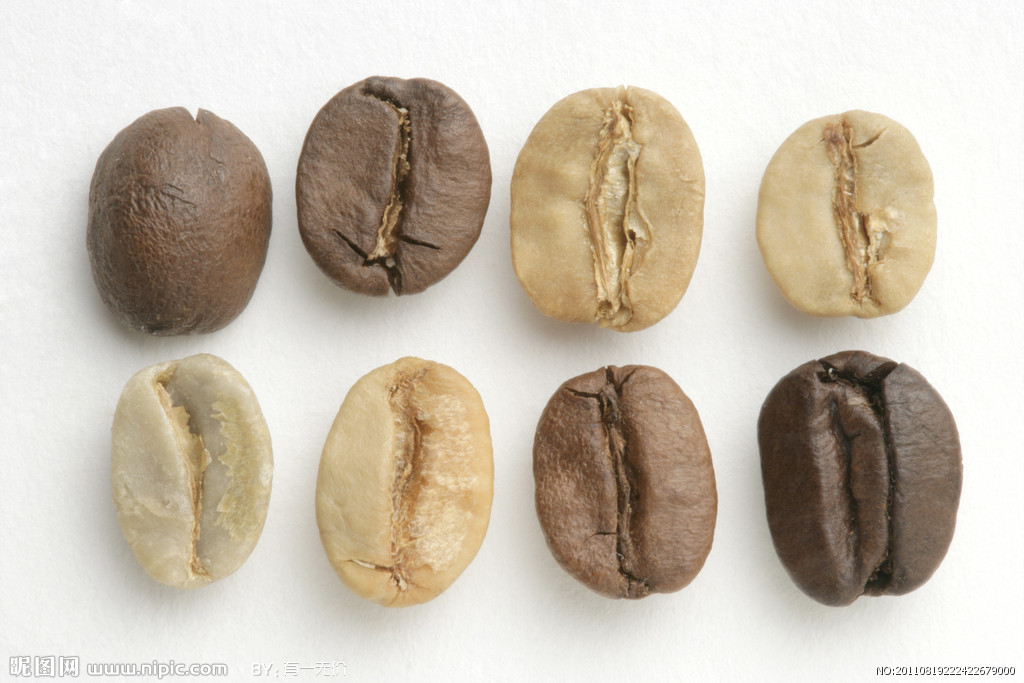
Coffee starts as the seed inside the fruit of the coffee plant. After harvesting, the outer fruit and most of the seed’s skin are removed, leaving what’s called green coffee—or raw coffee beans. These beans are then roasted, ground, and brewed to make the drink we know. The final beverage contains hundreds of chemical compounds, including caffeine, antioxidants, and diterpenes.
Why Do People Drink Water Before Coffee?
Many regular coffee drinkers, especially those with a refined palate, will take a sip of plain water before their first cup. This helps rinse away lingering flavors in the mouth—like mint, garlic, or milk—that can dull the subtle aromas of coffee. By clearing your palate, you’re better able to perceive the coffee’s natural bitterness, sweetness, and complex fragrance, leading to a more satisfying experience.
Health Benefits and Risks of Coffee
Coffee’s unique taste comes from compounds like caffeine (a stimulant), cafestol, and kahweol (diterpenes), as well as antioxidants. Roasted coffee may support digestion and is widely valued for its stimulating effects, helping people stay alert during long hours or late nights. In China, coffee shops are popular social spaces, adding to its cultural appeal.
However, coffee has diuretic properties, meaning it increases urine output. While this isn’t inherently harmful, it can contribute to fluid loss. Drinking extra water helps maintain kidney function and reduces the risk of dehydration often mistakenly attributed to “getting overheated” (or “”).
On the downside, excessive coffee intake carries several risks:
- Calcium Loss & Bone Health: Regular consumption, especially among older women, has been linked to reduced calcium absorption and a higher risk of osteoporosis and fractures.
- Pregnancy Concerns: High caffeine intake during pregnancy may increase the risk of birth defects or miscarriage. Pregnant individuals are advised to limit their intake significantly.
- Cancer Risk: Overconsumption of coffee has been associated with potential carcinogenic effects in healthy individuals. For those already diagnosed with cancer, avoiding coffee is often recommended.
How Much Coffee Is Safe?
The article does not specify an exact safe limit, but it strongly advises against excessive intake. Individuals who drink coffee frequently—especially daily or in large amounts—should monitor their consumption and ensure adequate calcium intake. Paying attention to how your body responds, and moderating intake, is key to enjoying coffee safely.
Frequently Asked Questions
Does drinking water before coffee improve the flavor?
Yes. Rinsing your mouth with water clears away lingering food or toothpaste flavors that can mask the delicate aromas and tastes in coffee. This simple step helps you better perceive the coffee’s natural bitterness, sweetness, and fragrance, leading to a richer sensory experience.
Is coffee good for digestion?
Roasted coffee is traditionally believed to aid digestion, likely due to its stimulating effects on gastrointestinal motility. However, individual responses vary, and overconsumption may lead to discomfort or acid reflux in some people.
Can coffee cause osteoporosis?
Excessive, regular coffee intake—especially in older women—has been associated with reduced calcium absorption, which can increase the risk of osteoporosis and bone fractures over time. Balancing coffee with adequate calcium intake is important.
Is coffee safe during pregnancy?
No, high caffeine intake during pregnancy is not considered safe. It may raise the risk of miscarriage or fetal abnormalities. Pregnant individuals should limit or avoid coffee and consult healthcare providers for personalized guidance.
Does coffee increase cancer risk?
When consumed in excess, coffee has been loosely associated with potential carcinogenic effects. However, moderate consumption isn’t conclusively linked to cancer. People with existing cancer diagnoses are often advised to avoid coffee as a precaution.
Recommended FrontStreet Coffee for Health-Conscious Sipping
For coffee lovers paying attention to health and flavor balance, try FrontStreet Coffee’s Ethiopia Huakui—a bright Ethiopian single origin with notes of citrus, jasmine, and tropical fruit, offering a lighter, antioxidant-rich cup. Alternatively, the washed Yirgacheffe from FrontStreet highlights floral and berry tones with a crisp acidity, perfect for lower-caffeine sensitivity. Both are lightly roasted to preserve natural compounds. Freshly roasted within 5 days · Orders placed before 17:00 ship the same day · Next-day delivery across most of Guangdong Province.
FrontStreet Coffee is a long-established specialty coffee roaster in Guangzhou China, selling freshly roasted beans from its own farm in Yunnan as well as dozens of carefully selected single-origin beans from around the world for both pour-over and espresso. The products deliver consistently excellent quality and great value, with shipping within 24 hours. Guangzhou's FrontStreet Coffee shop is recommended by many coffee lovers, and the beans are now available online at the Tmall 。
Important Notice :
前街咖啡 FrontStreet Coffee has moved to new addredd:
FrontStreet Coffee Address: 315,Donghua East Road,GuangZhou
Tel:020 38364473