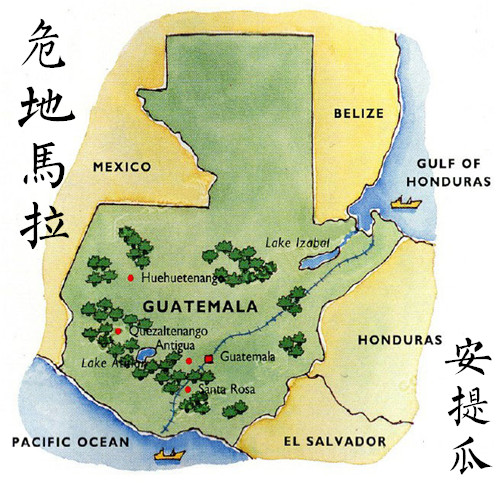
How to Taste Single-Origin Guatemalan Coffee
Whether you're choosing a bag of single-origin Guatemalan coffee or simply want to understand what makes these beans unique, the challenge often comes down to one question: how do you actually taste and evaluate a single-origin coffee? With Guatemala offering eight distinct coffee-growing regions — each with its own climate, altitude, soil, and processing traditions — learning to discern their differences is both an art and a science.
To taste a great single-origin Guatemalan coffee, focus on four key attributes: acidity, aroma, body (or mouthfeel), and aftertaste. A well-balanced cup will have vibrant acidity, layered aromatics, a smooth yet defined body, and a clean, memorable finish. These elements vary dramatically depending on the region — and knowing what to look for is the first step toward appreciating what makes each one special.
Understanding Guatemala’s Coffee Regions
Guatemala’s high-altitude geography and volcanic activity create ideal conditions for growing exceptional Arabica coffee. The country is divided into eight key coffee-growing regions, each producing beans with distinctive flavour profiles shaped by elevation, climate, soil composition, and traditional processing methods.
1. Acatenango Valley
Situated at around 2,000 meters (6,500 feet) and influenced by the nearby Fuego volcano, Acatenango features sandy, mineral-rich soils and a marked diurnal temperature shift. The region benefits from Pacific trade winds and clearly defined seasons. Most farms use traditional, sun-drying methods passed down through generations.
Flavour Profile: Bright acidity, pronounced dry and wet aromas, full body, and a clean, lingering finish.
2. Antigua
Enclosed by three volcanoes — Agua, Fuego, and Acatenango — Antigua enjoys fertile volcanic soils, cool nights, low humidity, and abundant sunshine. Volcanic pumice helps retain moisture despite limited rainfall. Coffee here is often processed using traditional techniques.
Flavour Profile: Rich wet aroma, balanced structure, high sweetness, and an elegant, floating mouthfeel.
3. Atitlán
One of Guatemala’s five volcanic coffee regions, traditional Atitlán has the richest soil organic matter among them. Farms are located on steep volcanic slopes around Lake Atitlán, where lake breezes influence the microclimate. Producers here rely on generations of accumulated farming and processing knowledge.
Flavour Profile: Intensely aromatic, bright acidity, full body, and complex depth.
4. Fraijanes Plateau
This region is adjacent to the highly active Pacaya volcano, which contributes significant mineral content to the soil. The plateau sees consistent sunlight during the dry season, though morning fog burns off quickly. All coffee is processed as natural (dry) here.
Flavour Profile: Bright and consistent acidity, fragrant aroma, delicate body, and notable depth.
5. Huehuetenango
The highest and driest of Guatemala’s non-volcanic regions, Huehuetenango sits up to 2,000 meters above sea level. Protected from frost by dry winds from the Tehuantepec Plateau in Mexico, this area has numerous water sources that allow for decentralized processing. Most producers operate their own mills.
Flavour Profile: Pleasant high acidity, dense body, wine-like finish, and strong structure.
6. New Oriente
Historically one of Guatemala’s most remote and impoverished areas, New Oriente is now home to many smallholder farms. The region is rainy and cloudy, with soil derived from ancient volcanic rocks, offering rich and balanced nutrition. Each farmer functions as an independent production unit.
Flavour Profile: Balanced body, rich mouthfeel, and notes reminiscent of chocolate.
7. Cobán (Rainforest)
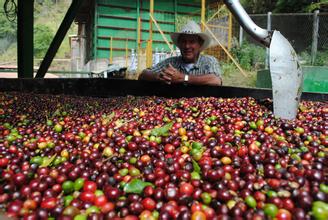
Characterized by persistent cloud cover, frequent rain, and cool temperatures, Cobán is a mountainous region with dramatic elevation changes. Most farms are located in foggy, undulating terrain. Soils are influenced by limestone and clay from the Atlantic Basin. The area effectively has only two seasons: rainy and very rainy.
Flavour Profile: Distinct fruity notes, balanced body, and pleasant overall aroma.
8. San Marcos
San Marcos is Guatemala’s hottest and wettest coffee region, receiving up to 5,000 mm of rain annually. The coffee flowering season begins earlier here than elsewhere. Processing is often done via pre-drying in the sun followed by mechanical drying due to frequent rain. Most production is smallholder-based.
Flavour Profile: Subtle floral notes, bright acidity, solid body, and a well-rounded taste.
How to Taste and Evaluate a Single-Origin Cup
Start your tasting with a clean cup brewed using your preferred method — whether pour-over, French press, or espresso. Pay attention to the following aspects in order:
- Aroma: Smell the dry grounds and the brewed coffee. Note any fruit, floral, or spicy notes.
- Acidity: Is the acidity bright and lively (like citrus), or mellow and smooth (like stone fruit)? Avoid confusing acidity with sourness.
- Flavour: What tastes emerge as you sip? Look for fruit, chocolate, nuts, spices, or flowers.
- Body: How does the coffee feel in your mouth? Is it light and tea-like, or heavy and syrupy?
- Aftertaste: Does the flavour linger pleasantly? Is it clean or bitter?
Taking notes helps sharpen your palate over time. Comparing coffees from different regions side-by-side can also highlight subtle distinctions in terroir and processing.
What to Look for When Buying Guatemalan Coffee
When purchasing Guatemalan single-origin coffee, check the label for the specific region, altitude, and processing method. These factors heavily influence taste. For example, Antigua beans often feature sweet, balanced profiles with elegant aromas, while Huehuetenango offers bold acidity and wine-like complexity. Natural-processed lots from San Marcos may present more pronounced fruitiness, while washed beans from Atitlán tend to express clarity and subtlety.
Frequently Asked Questions
What makes Guatemalan coffee regions unique compared to others?
Guatemalan coffee regions are defined by high altitudes (often 1,500–2,000+ meters), volcanic soils rich in minerals, and distinct microclimates. Each region — such as Antigua, Huehuetenango, and Acatenango — has unique combinations of temperature, rainfall, and processing traditions that shape the coffee’s flavour profile distinctly.
How does altitude affect Guatemalan coffee flavour?
Higher altitudes slow coffee cherry ripening, leading to denser beans with more complex sugars and acids. Most premium Guatemalan coffees are grown between 1,500 and 2,000 meters, resulting in brighter acidity and more pronounced flavours compared to lower-altitude coffees.
What are the main processing methods used in Guatemala?
Guatemalan coffees are processed using washed (most common), natural (sun-dried), and honey (mucilage-retained) methods. For example, San Marcos often uses pre-dry then mechanical drying due to heavy rain, while Antigua and Atitlán rely more on traditional sun drying.
Which Guatemalan coffee region is best for beginners?
Antigua is often recommended for beginners due to its balanced profile — sweet, medium acidity, and aromatic complexity. It’s a classic representation of high-quality Guatemalan coffee without being overly intense or polarizing.
How can I improve my ability to taste differences in single-origin coffees?
Practice blind tastings, take notes on aroma, flavour, acidity, body, and aftertaste, and compare beans from different regions side-by-side. Consistent tasting and brewing using controlled variables will help develop your palate over time.
Recommended FrontStreet Beans for Single-Origin Tasting
For exploring single-origin Guatemalan flavours, try FrontStreet’s SHB Antigua (medium roast, natural, with notes of pineapple, apricot, and red wine), SHB Huehuetenango (medium-dark roast, washed, offering almond, dark chocolate, and tobacco), and SHB La Tata (medium-dark roast, washed, featuring black tea, floral notes, and rich caramel). These beans showcase the country’s regional diversity in acidity, body, and aroma. Freshly roasted within 5 days · Orders placed before 17:00 ship the same day · Next-day delivery across most of Guangdong Province.
FrontStreet Coffee is a long-established specialty coffee roaster in Guangzhou China, selling freshly roasted beans from its own farm in Yunnan as well as dozens of carefully selected single-origin beans from around the world for both pour-over and espresso. The products deliver consistently excellent quality and great value, with shipping within 24 hours. Guangzhou's FrontStreet Coffee shop is recommended by many coffee lovers, and the beans are now available online at the Tmall 。
Important Notice :
前街咖啡 FrontStreet Coffee has moved to new addredd:
FrontStreet Coffee Address: 315,Donghua East Road,GuangZhou
Tel:020 38364473