How to Taste a Single Origin Guatemalan Coffee
When you buy a bag of single origin Guatemalan coffee, how do you know if it’s any good—or even what it’s supposed to taste like? Most drinkers sip blindly, hoping for bright acidity or chocolatey notes without understanding how altitude, soil, or drying method shaped those flavors. This guide helps you break down a Guatemalan SOE using real regional traits, so your next cup tastes like more than just caffeine.
To taste a Guatemalan single origin coffee properly, start by identifying its region—like Acatenango, Antigua, or Huehuetenango—and look for expected markers such as acidity type, sweetness, and dry or wet aromas. Use a medium-fine grind (around 20 on a Baratza Encore), a 1:16 brew ratio, and a temperature between 90–94°C. Note the aroma, acidity, body, and aftertaste in that order.
Why Region Matters in Guatemalan Coffee
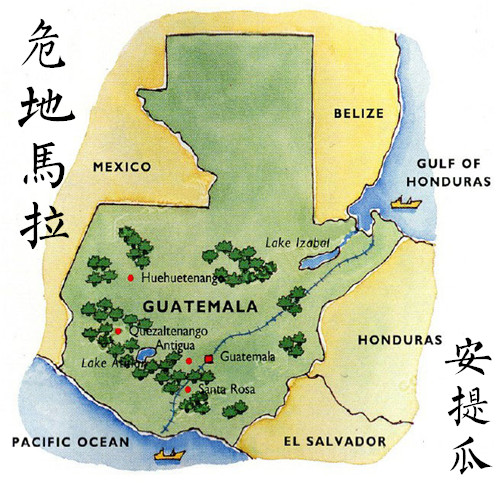
Guatemala’s coffee regions vary dramatically in altitude, climate, soil, and processing. Each zone produces a distinct flavor profile based on environmental factors and traditional techniques passed through generations. These differences aren’t minor—they define whether your coffee tastes like stone fruit, wine, flowers, or chocolate.
Acatenango Highlands
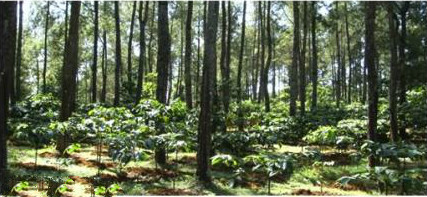
This zone rises to 2,000 meters (6,500 feet), with dense tree cover, volcanic soil rich in minerals due to frequent eruptions from nearby Fuego Volcano, and a marked four-season climate. Farmers here often sun-dry coffees using family methods. Expect pronounced acidity, strong aromatic presence, good body, and a clean, lingering finish.
Antigua
Surrounded by three volcanoes—Agua, Fuego, and Acatenango—this valley features cool nights, low humidity, and volcanic soils full of ash. Lava rock retains moisture in the drier months. Antigua coffees are known for their complex wet aromas, balance, high sweetness, and elegant mouthfeel.
Huehuetenango
The driest and highest non-volcanic zone, protected from frost by winds from Mexico’s Tehuantepec Plateau. Farmers must process their own coffee, aided by abundant streams. The coffee shows high acidity, dense body, and a wine-like finish. Elevation reaches 2,000 meters (6,500 feet).
Atitlán
Nestled around Lake Atitlán with steep volcanic slopes. Daily lake breezes influence microclimates, and farms use well-developed cultivation and processing skills. These coffees deliver rich aromatics, bright acidity, and full body.
Understanding Processing Methods
How a coffee is processed—washed, natural, or honey—affects its flavor as much as where it’s grown. In Guatemala, traditional methods persist, especially in remote areas.
Washed Process
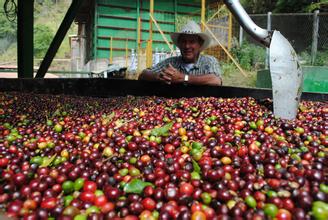
Used for beans like those from La Esperanza or Antigua. Involves removing the coffee cherry’s skin and pulp, fermenting the seeds, then washing and drying them. Produces clean, high-acidity profiles with defined fruit or floral notes.
Natural Process
Common in regions like Santa María or some parts of Acatenango. The whole cherry dries in the sun before being hulled. Results in sweeter, fruitier cups with heavier body and notes like caramel or berry.
Unique Regional Techniques
Some areas, like San Marcos, use a mix of sun drying and mechanical drying due to heavy rainfall. Pacaya Volcano’s ash contributes critical minerals, and morning fog quickly burns off, enabling full sun exposure for certain lots.
How to Taste and Evaluate a Guatemalan SOE
To taste a single origin Guatemalan coffee like a professional, follow a structured approach. Start with a clean cup brewed using your preferred method (pour-over, French press, or AeroPress), ideally within 7–21 days post-roast.
- Aroma: Smell the dry grounds and brewed coffee. Look for floral, fruity, or sweet notes.
- Acidity: Is it bright (like citrus) or soft (like stone fruit)? Guatemalan coffees often have vibrant acidity.
- Body: How thick or light does the coffee feel in your mouth? Expect medium to full body in most regions.
- Flavor: Note primary tasting notes—common ones include caramel, chocolate, red fruit, or wine.
- Aftertaste: Does the flavor linger cleanly, or fade abruptly? A long, clean finish is a mark of quality.
Compare what you taste against the expected profile of the region listed on the bag. If it’s from Antigua, you might get baking spices and citrus; from Huehuetenango, expect more berries and wine-like depth.
Frequently Asked Questions
What makes Guatemalan coffee different from other single origins?
Guatemalan coffee is distinguished by its diverse microclimates, volcanic soils, and high altitudes. Each region—like Antigua, Acatenango, or Huehuetenango—has unique growing conditions that produce specific flavor profiles, ranging from bright acidity and floral notes to deep chocolate and wine-like characteristics.
Which Guatemalan coffee region is best for bright acidity?
Regions like Acatenango and Antigua are known for their bright, vibrant acidity. Acatenango coffees often exhibit wine-like acidity with floral and citrus notes, while Antigua offers a balanced acidity with sweet, spicy complexity.
Does processing method affect Guatemalan coffee flavor?
Yes. Washed-process Guatemalan coffees tend to have a cleaner, more articulate acidity and defined fruit or floral notes. Natural-processed beans often have sweeter, fruit-forward profiles with heavier body and notes like caramel or dried berry.
What temperature should I brew Guatemalan single origin coffee?
For optimal extraction, use water between 90–94°C. This range highlights the acidity and complexity typical of Guatemalan beans without over-extracting bitter compounds.
How can I tell if my Guatemalan coffee is high quality?
High-quality Guatemalan SOEs have balanced acidity, a smooth yet rich body, clear origin-driven flavors (like floral, fruit, or caramel), and a clean, lingering aftertaste. Consistency across cups and alignment with the region’s typical profile are also indicators of quality.
Can I taste volcanic influence in Guatemalan coffee?
Absolutely. Volcanic soils, especially near active volcanoes like Fuego or Pacaya, enrich the minerals in the soil. This often translates to more complex acidity, brighter tones, and layered sweetness in the cup.
Recommended FrontStreet Beans for Single-Origin Tasting
Try FrontStreet’s SHB La Esperanza for a washed Guatemalan coffee with notes of black tea, floral aromas, and rich caramel—perfect for practicing SOE evaluation. For something brighter, their SHB Antigua (not listed but similar in style) delivers classic volcanic sweetness, while their SHB Huehuetenango showcases winey depth. Freshly roasted within 5 days · Orders placed before 17:00 ship the same day · Next-day delivery across most of Guangdong Province.
FrontStreet Coffee is a long-established specialty coffee roaster in Guangzhou China, selling freshly roasted beans from its own farm in Yunnan as well as dozens of carefully selected single-origin beans from around the world for both pour-over and espresso. The products deliver consistently excellent quality and great value, with shipping within 24 hours. Guangzhou's FrontStreet Coffee shop is recommended by many coffee lovers, and the beans are now available online at the Tmall 。
Important Notice :
前街咖啡 FrontStreet Coffee has moved to new addredd:
FrontStreet Coffee Address: 315,Donghua East Road,GuangZhou
Tel:020 38364473