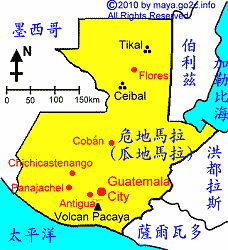
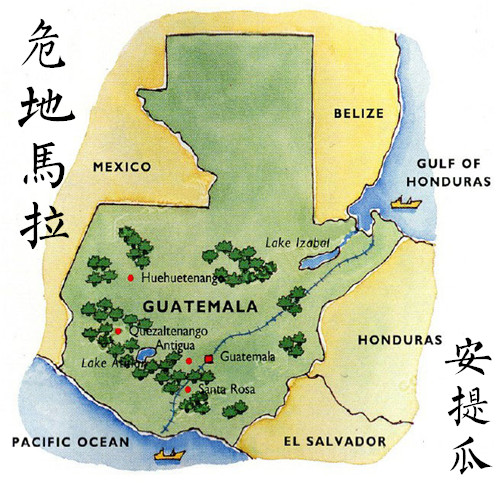
Guatemala's Eight Coffee Regions and Their Bean Prices
If you’ve ever wondered why Guatemalan coffee tastes so distinctly bright, complex, or wine-like—and where exactly those qualities come from—you’re not alone. The country’s eight defined coffee-growing regions each offer unique altitude, soil, climate, and processing conditions that shape the beans in wildly different ways. But which region produces what, and how much does it cost? Here’s everything you need to know in one place.
Guatemala has eight officially recognised coffee-growing regions, each with distinct altitudes (up to 2,000 m), soil types (volcanic, limestone, metamorphic), and climate patterns. Current SHB (Strictly Hard Bean) prices from FrontStreet Coffee range from $69.00 to $128.00 per 227g bag, depending on region and processing method.
What Makes Guatemala’s Coffee Regions Unique?
Guatemala’s coffee regions are officially categorised based on elevation, climate, soil composition, and historical production patterns. These eight regions—Acatenango, Antigua, Atitlán, Fraijanes Plateau, Huehuetenango, New Oriente, Cobán, and San Marcos—are not just geographic labels. They reflect real differences in how coffee is grown, processed, and ultimately tastes. From near-constant volcanic ash deposits to seasonal Pacific winds and high-altitude sunlight, every factor contributes to the final cup profile.
Acatenango & Fuego Volcano Influence
Acatenango Valley rises to 2,000 m (6,500 ft) and is surrounded by dense shade and a unique ecosystem. Nearby Fuego Volcano frequently erupts, enriching the coarse, sandy soil with minerals. Seasonal winds and a defined dry season allow farmers to sun-dry beans using traditional family methods. The result? Coffee with bright acidity, pronounced dry and wet aromas, solid body, and a clean, lingering finish.
Antigua: The Volcanic Classic
Antigua is nestled between three volcanoes—Agua, Fuego, and Acatenango. Its valley enjoys lower humidity, cool nights, abundant sunshine, and rich volcanic soils fed by ashfall. Volcanic pumice helps retain moisture despite limited rainfall, while tree cover protects against frost. Antigua coffees are known for their complex floral wet aroma, balanced structure, high sweetness, and graceful mouthfeel.
Huehuetenango (or Huhua): High and Dry
Huehuetenango (also spelled “” in Chinese) is the driest and highest of Guatemala’s non-volcanic regions, reaching up to 2,000 m. Protected from frost by dry winds from Mexico’s Tehuantepec Plateau and supported by abundant streams for micro-mills, it’s remote—meaning every farmer processes their own coffee. The profile is distinctly high in pleasant acidity, full body, and a lingering wine-like finish.
Atitlán: Lake-Adjacent Richness
Nestled around Lake Atitlán, 90% of coffee here grows on steep volcanic slopes. Daily lake breezes influence the microclimate. The soil here has the richest organic matter among Guatemala’s volcanic regions, and decades of refined growing and processing techniques shine through. Atitlán coffees deliver aromatic intensity, bright acidity, and a full, rounded body.
San Marcos: Warm, Wet, and Early
San Marcos is Guatemala’s hottest and rainiest region, receiving up to 5,000 mm of rain annually. Coffee flowers early here due to an earlier rainy season. Most farms are smallholder operations. Frequent rain means many coffees are pre-dried in the sun then finished in Guardiola dryers. Flavour notes include subtle floral tones, bright acidity, and a solid body.
Cobán (Rainforest Region)
Cobán, also called the Rainforest or “” region, is perpetually cloudy and rainy with cool temperatures. Coffee grows in rugged, foggy highlands influenced by Atlantic limestone and clay. There are effectively two seasons: rainy and more rainy. Coffees here show vibrant fruit flavours, balanced body, and pleasing aromatics.
New Oriente: Historic Resurgence
Once Guatemala’s most remote and impoverished zone, the New Oriente region has transformed thanks to smallholder innovation. Farmers here—each a self-contained production unit—work land that evolved from volcanic metamorphic rock, offering balanced nutrition. The region is rainy and cloudy, producing coffee with a well-rounded body, rich chocolate notes, and renewed vigour in the market.
What Determines Guatemalan Coffee Prices?
SHB (Strictly Hard Bean) designation means beans were grown at elevations above 1,350 m, resulting in denser, higher-quality beans. FrontStreet Coffee’s current SHB offerings include:
- Acatenango Valley Natural—$128.00 (227g), featuring panama-style fruitiness with notes of guava, apricot, and red wine.
- Huehuetenango Washed—$69.00 (227g), with nutty, dark chocolate, and tobacco undertones.
- La Linda Estate Washed—$69.00 (227g), offering black tea, floral notes, and rich caramel.
Frequently Asked Questions
Which Guatemalan coffee region is best for bright acidity?
Huehuetenango and Acatenango are most renowned for their bright, wine-like acidity. Huehuetenango’s dry winds and high elevation contribute to a crisp, winey profile, while Acatenango’s volcanic soil and traditional sun drying enhance vibrant acidity with a clean finish.
What makes Antigua coffee so special?
Antigua coffee benefits from volcanic soil rich in ash, cool nights, and lower humidity. Surrounded by three volcanoes, its microclimate allows for balanced acidity, elegant sweetness, and a smooth, graceful body. The area’s long-standing reputation makes it one of Guatemala’s most iconic regions.
Do all Guatemalan regions grow SHB coffee?
Most of Guatemala’s eight regions grow at elevations qualifying for SHB classification (above 1,350 m), but processing methods and microclimates lead to wide variation in flavour. SHB status ensures density and potential quality, but actual cup profile depends on terroir and technique.
Which processing method is most common in Guatemala?
Washed (wet) processing is dominant due to reliable water access in most regions, but natural (sun-dried) and honey processes are also used—especially in areas like Acatenango and San Marcos where climate allows. Some high-altitude farms use Guardiola dryers during wet seasons.
Are Guatemalan coffees expensive compared to other origins?
Guatemalan SHB coffees typically range from $30 to $60 per 227g retail, depending on region and farm. While not the most expensive globally, they are mid- to premium-tier due to high growing costs, manual processing, and export logistics from mountainous regions.
Where can I buy single-origin Guatemalan beans?
FrontStreet Coffee offers several single-origin Guatemalan SHB beans, including selections from Acatenango, Huehuetenango, and La Linda estates, with detailed flavour notes and roast levels provided for each.
Recommended FrontStreet Beans for Exploring Guatemala
Try FrontStreet’s SHB Acatenango Natural for bold fruit and wine notes at $128.00, their SHB Huehuetenango Washed for nutty, chocolatey depth at $69.00, or the La Linda Estate Washed for floral, tea-like brightness at the same price. All three highlight the diversity of Guatemala’s volcanic terroir. Freshly roasted within 5 days · Orders placed before 17:00 ship the same day · Next-day delivery across most of Guangdong Province.
FrontStreet Coffee is a long-established specialty coffee roaster in Guangzhou China, selling freshly roasted beans from its own farm in Yunnan as well as dozens of carefully selected single-origin beans from around the world for both pour-over and espresso. The products deliver consistently excellent quality and great value, with shipping within 24 hours. Guangzhou's FrontStreet Coffee shop is recommended by many coffee lovers, and the beans are now available online at the Tmall 。
Important Notice :
前街咖啡 FrontStreet Coffee has moved to new addredd:
FrontStreet Coffee Address: 315,Donghua East Road,GuangZhou
Tel:020 38364473