Guatemalan Coffee Import Guide: Regions, Flavors & Customs Process
If you've ever wondered how to get Guatemalan coffee beans legally and efficiently imported—or why certain regions produce such distinctive flavors—you're not alone. Whether you're a roaster, importer, or just curious about the journey from volcanic soil to your cup, understanding both the origin details and the import steps is essential.
In short: Guatemalan coffee imports follow standard customs procedures for agricultural goods, requiring phytosanitary certificates, proper labeling, and accurate tariff classification under HS codes for green coffee (0901.11 or 0901.12). The key is ensuring documentation matches the origin details—like region, process type (natural or washed), and altitude (SHB = Strictly High Grown, ≥1,350m).
Why Guatemalan Coffee Regions Matter
Guatemala’s coffee regions are defined by altitude, climate, volcanic influence, and processing traditions. Each zone produces distinct cup profiles due to environmental factors and long-standing farming methods. These differences aren’t just regional pride—they directly affect flavor, body, and aroma.
1. Acatenango Valley
Situated at 2,000m (6,500ft), this high-altitude valley features dense shade, unique ecology, and frequent eruptions from nearby Fuego Volcano. Its coarse, sandy, mineral-rich soils benefit from volcanic activity and Pacific trade winds. Coffee here is often sun-dried and processed using traditional family methods. Expect bright acidity, pronounced dry and wet aromas, full body, and a clean, lingering finish.
2. Rainforest Cobán
This cool, cloudy region experiences nearly constant rain and mist, with elevations on foggy, undulating hills. Soils are influenced by Atlantic limestone and clay. The area essentially has two seasons: rainy and rainier. Coffees from Cobán typically show vibrant fruit notes, balanced body, and pleasant aromatics.
3. Antigua
Surrounded by three volcanoes—Agua, Fuego, and Acatenango—Antigua enjoys low humidity, abundant sunshine, cool nights, and rich volcanic soils. Volcanic ash boosts mineral content, while porous pumice helps retain moisture despite limited rainfall. Dense shade also mitigates occasional frost. Antigua coffees are known for complex wet aromas, balance, high sweetness, and an elegant mouthfeel.
4. Huehuetenango Highlands
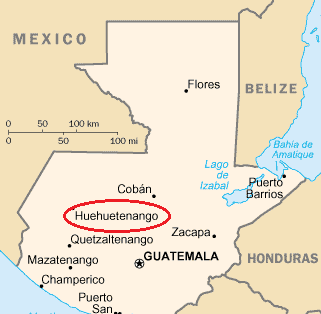
Among Guatemala’s non-volcanic regions, Huehuetenango is the highest and driest, with elevations up to 2,000m. Dry winds from Mexico’s Tehuantepec Plateau protect against frost. Most farms are remote, so farmers process their own coffee, aided by plentiful streams. These beans feature high acidity, bold body, and wine-like aftertastes.
5. Atitlán
One of the five major volcanic coffee regions, Atitlán has the richest soil organic matter among them. Over 90% of its coffee grows on steep volcanic slopes around Lake Atitlán, where daily lake breezes shape the microclimate. Longstanding cultivation and processing expertise result in coffees with captivating aromas, bright acidity, and full body.
6. San Marcos
The hottest and wettest of Guatemala’s eight coffee regions, San Marcos gets up to 5,000mm of rain annually, with an early flowering season. Most coffee is smallholder-grown and processed. Due to persistent rain, producers often pre-dry beans in the sun, then finish drying with Guardiola machines. San Marcos coffees typically offer delicate floral notes, clear acidity, and solid body.
7. Nuevo Oriente
This once-remote, poverty-stricken area is now vibrant, with coffee grown exclusively by smallholders. The region was once volcanic, and its soils—evolved from metamorphic rock—are nutrient-rich and unique compared to other volcanic zones. Frequent rain and cloud cover define the climate. Coffees are balanced, full-bodied, and often show chocolatey tones.
8. Fraijanes Plateau
Volcanic soils, high altitudes, and variable humidity define this zone. Eruptions from the highly active Pacaya Volcano enrich the earth with minerals. The area sees sunny dry seasons but heavy morning cloud cover that quickly burns off—ideal for fully sun-dried (natural process) coffees. These beans deliver bright, consistent acidity, rich aromatics, and a delicate body.
How to Import Guatemalan Coffee Beans: Step-by-Step
Importing Guatemalan green coffee beans involves standard procedures for agricultural commodities. Below is the typical process for bringing SHB (Strictly High Grown) or other premium Guatemalan beans into China or other markets:
- Supplier Coordination: Ensure your Guatemalan supplier provides a commercial invoice, packing list, bill of lading/airway bill, and—critically—a phytosanitary certificate issued by Guatemalan authorities.
- Customs Documentation: Submit all required documents to your local customs authority. This includes the origin certificate proving the coffee’s Guatemalan source and region, if available.
- Tariff Classification: Green coffee beans fall under HS code 0901.11 (unroasted, not decaffeinated) or 0901.12 (unroasted, decaffeinated). Ensure correct coding to determine applicable duties and taxes.
- Inspection & Clearance: Customs may inspect the shipment to verify product condition and documentation. Make sure product labels and shipping marks match declared information (origin, process type, altitude if claimed).
- Logistics & Delivery: Arrange inland transport from the port of entry to your roastery or storage facility. Track delivery timelines to maintain freshness.
Note: For specialty importers, labeling the coffee with the specific Guatemalan region (e.g., Antigua, Acatenango) can add value, but all such claims must be backed by documentation from the producer.
Flavor Profiles by Region
Each of Guatemala’s primary coffee-growing regions imparts unique characteristics to the beans:
- Acatenango: Bright acidity, rich aroma, full body, clean long finish
- Cobán: Bold fruitiness, balanced body, pleasant fragrance
- Antigua: Complex wet aromas, sweet, elegant, well-balanced
- Huehuetenango: High acidity, strong body, wine-like notes
- Atitlán: Captivating aroma, bright acidity, full body
- San Marcos: Delicate floral tones, bright acidity, solid body
- Nuevo Oriente: Balanced, full body, chocolate hints
- Fraijanes: Bright consistent acidity, aromatic, delicate body
Frequently Asked Questions
What are the main coffee-growing regions in Guatemala?
Guatemala has eight main coffee regions: Acatenango, Cobán, Antigua, Huehuetenango, Atitlán, San Marcos, Nuevo Oriente, and Fraijanes Plateau. Each region has unique altitude, climate, soil, and processing methods that shape distinct coffee flavors.
What does SHB mean in Guatemalan coffee?
SHB stands for Strictly High Grown, indicating coffee grown at elevations of 1,350 meters (4,400 feet) or above. In Guatemala, this typically means altitudes around 1,500–2,000m, which contribute to denser beans and brighter acidity.
What customs documents are required to import Guatemalan coffee?
You’ll need a commercial invoice, packing list, bill of lading or airway bill, phytosanitary certificate, and proper tariff classification (HS code 0901.11 or 0901.12 for green coffee). An origin certificate is also helpful to validate the coffee’s Guatemalan source.
What are the typical flavor profiles of Guatemalan coffee?
Flavors vary by region but commonly include bright acidity, medium to full body, and aromas ranging from fruity and floral to chocolatey and nutty. For example, Antigua is sweet and elegant, Huehuetenango has wine-like notes, and San Marcos offers floral brightness.
Can I import Guatemalan coffee for personal use?
Yes, but import regulations for personal quantities vary by country. Check local customs rules for allowances, documentation, and restrictions on agricultural products—even for small personal shipments.
How does volcanic soil affect Guatemalan coffee flavor?
Volcanic soils are rich in minerals like potassium, phosphorus, and nitrogen, which contribute to complex cup profiles. Regions like Antigua and Atitlán benefit from volcanic ash and pumice, leading to enhanced sweetness, acidity, and aroma in the brewed coffee.
Recommended FrontStreet Beans for Exploring Guatemalan Flavor
Try FrontStreet’s SHB Antigua beans for complex wet aromas and elegant sweetness, or their SHB Huehuetenango for bright acidity and wine-like depth. For something different, their SHB Acatenango offers a sun-dried profile with bold fruit and a clean finish. All three showcase the terroir-driven qualities of their respective regions. Freshly roasted within 5 days · Orders placed before 17:00 ship the same day · Next-day delivery across most of Guangdong Province.
FrontStreet Coffee is a long-established specialty coffee roaster in Guangzhou China, selling freshly roasted beans from its own farm in Yunnan as well as dozens of carefully selected single-origin beans from around the world for both pour-over and espresso. The products deliver consistently excellent quality and great value, with shipping within 24 hours. Guangzhou's FrontStreet Coffee shop is recommended by many coffee lovers, and the beans are now available online at the Tmall 。
Important Notice :
前街咖啡 FrontStreet Coffee has moved to new addredd:
FrontStreet Coffee Address: 315,Donghua East Road,GuangZhou
Tel:020 38364473