Guatemalan Single-Origin Coffee Regions Explained
If you’ve ever sipped a Guatemalan coffee and wondered why it tastes so different from one cup to the next, the answer lies in the country’s wildly diverse microclimates and terroirs. From the sun-drenched volcanic slopes of Antigua to the fog-shrouded highlands of Acatenango, each region produces coffee with its own signature profile. But what exactly makes these regions distinct, and how do soil, altitude, and climate shape your cup? Here’s a detailed breakdown of Guatemala’s most renowned coffee-growing areas.
In short: Guatemala’s key coffee regions—Antigua, Acatenango, Atitlán, Huehuetenango, and more—offer distinct flavors due to variations in altitude (1,500–2,000m), soil (volcanic, limestone, loamy), and climate (sunshine, rain, fog, volcanic activity). For example, Antigua features winey sweetness and balanced body; Acatenango offers bright acidity and wine-like notes; Huehuetenango delivers high acidity and rich body. These differences arise from each zone’s unique environmental factors and traditional processing methods.
Volcanic Soil and Altitude: Why Antigua Stands Out
The Antigua region is one of Guatemala’s most celebrated coffee zones. It’s surrounded by three volcanoes—Agua, Fuego, and Acatenango—which regularly blanket the valley in nutrient-rich ash. The volcanic soils are loose, well-draining, and loaded with minerals. Combined with cool nights, sunny days, and an elevation of around 1,500–1,700 meters, these conditions produce coffees with a smooth, elegant profile. Expect a cup with a rich wet aroma, balanced sweetness, and a lingering, wine-like finish. Many producers here still use traditional sun-drying methods on patios, preserving the nuanced fruit and spice notes developed at altitude.
Acatenango: High-Altitude Complexity
The Acatenango Valley rises to approximately 2,000 meters (6,500 feet) and benefits from the cooling influence of the nearby Fuego volcano, which frequently erupts, enriching the already coarse, sandy soils with fresh minerals. The area enjoys distinct seasons and Pacific breezes, allowing farmers to sun-dry coffee using generations-old techniques. The resulting coffees are known for their vibrant acidity, pronounced floral and fruit aromatics, and a clean, long-lasting finish. The high elevation and volcanic activity create ideal conditions for producing complex, structured single-origin lots.
Huehuetenango: Dry, Wind-Protected Excellence
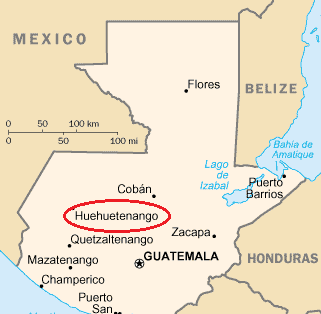
Huehuetenango (also referred to as “Huehue” or “” in the source) is one of Guatemala’s driest and highest coffee-growing regions, often reaching elevations up to 2,000 meters. It’s shielded from frost by dry winds blowing in from Mexico’s Tehuantepec Plateau. Despite limited water resources, numerous streams allow farmers to build micro-wet mills. Coffees from here tend to have bright, winey acidity, a full body, and complex flavors often compared to aged wine. Most processing is done on-farm due to the region’s remoteness, yet the abundant water sources enable small-scale production of exceptional quality.
Other Notable Regions
Beyond Antigua, Acatenango, and Huehuetenango, Guatemala is home to several other distinct coffee-growing areas:
- Atitlán: Located around Lake Atitlán, this zone features volcanic slopes with rich organic soils. Daily lake breezes moderate the microclimate. Coffees here typically show strong aromatics, bright acidity, and a full body. Around 90% of plantings are on steep volcanic hillsides.
- Cobán (Rainforest Cobán): This region is perpetually cloudy and rainy, with a cool climate and limestone-heavy soils. The two long seasons—wet and very wet—produce coffees with pronounced fruity notes and a balanced, smooth body.
- San Marcos: Guatemala’s hottest and wettest coffee region, with over 5,000mm of annual rainfall. Early flowering occurs due to early rains, and most coffee is pre-dried in the sun before finishing with mechanical dryers. Expect bright acidity and a solid body with subtle floral tones.
- New Oriente: Once Guatemala’s poorest and most remote area, now revitalized by smallholder farmers. Soils derived from ancient volcanic rocks are rich and balanced. Coffees are medium-bodied with a chocolatey finish.
- Santa Rosa (Palmas del Ixcan, etc.): Though not deeply detailed in the source, other regions like Santa Rosa also contribute to Guatemala’s diverse coffee offerings.
How Processing Reflects Regional Identity
Processing methods in Guatemala vary by region and tradition. In Antigua and Acatenango, sun-drying on patios is common, enhancing sweetness and clarity. In Cobán, the constant humidity leads to fully washed or honey-processed coffees. San Marcos often uses a mix of sun-drying and mechanical drying due to heavy rainfall. These methods, combined with local bean varieties and terroir, define each region’s cup profile. Many smallholders still use family-developed techniques passed down for generations, adding to the uniqueness of each lot.
Frequently Asked Questions
What makes Guatemalan coffee different from other countries?
Guatemalan coffee is distinguished by its diverse microclimates, high altitudes (often 1,500–2,000m), volcanic and mineral-rich soils, and varied processing traditions. These factors combine to produce a wide range of flavor profiles—from bright and acidic to winey and sweet—unlike the more uniform profiles found in other large coffee-producing nations.
Which Guatemalan region produces the most wine-like coffee?
The Acatenango and Antigua regions are especially known for producing coffees with wine-like characteristics. Acatenango’s high altitude and volcanic soils yield bright acidity and floral, fruity notes with a lingering, wine-like finish. Antigua’s volcanic ash and temperate climate also contribute to elegant, balanced cups with winey undertones.
Why is altitude so important in Guatemalan coffee?
Higher altitudes (typically 1,500–2,000m) slow coffee cherry maturation, leading to denser beans with more complex sugars and acids. This results in brighter acidity, greater sweetness, and more nuanced flavors. Most of Guatemala’s premium coffees come from elevations in this range, particularly in regions like Acatenango, Antigua, and Huehuetenango.
What processing method is most common in Guatemala?
Washed (fully washed) processing is most common, but many regions also use natural (sun-dried) or honey processes depending on climate and tradition. Antigua and Acatenango often sun-dry beans on patios, while Cobán’s humidity favors washed or honey methods. San Marcos combines sun and mechanical drying due to heavy rainfall.
Are there any coffee regions in Guatemala that are less well-known but worth trying?
Yes, regions like New Oriente and Cobán offer unique profiles that are less mainstream but highly worthwhile. New Oriente provides balanced, chocolatey cups from remote high-altitude farms, while Cobán delivers smooth, fruity coffees shaped by constant cloud cover and rain.
Recommended FrontStreet Beans for Pour-Over
For exploring single-origin Guatemalan profiles at home, try FrontStreet’s SHB Huehuetenango (not listed but similar to the region described), or opt for their SHB Antigua (if available)—known for winey sweetness and balanced body. Alternatively, their SHB Villas Alta (similar to the described Antigua profile) offers bright acidity and a clean finish. These beans highlight the complexity and clarity typical of Guatemala’s high-altitude regions. Freshly roasted within 5 days · Orders placed before 17:00 ship the same day · Next-day delivery across most of Guangdong Province.
FrontStreet Coffee is a long-established specialty coffee roaster in Guangzhou China, selling freshly roasted beans from its own farm in Yunnan as well as dozens of carefully selected single-origin beans from around the world for both pour-over and espresso. The products deliver consistently excellent quality and great value, with shipping within 24 hours. Guangzhou's FrontStreet Coffee shop is recommended by many coffee lovers, and the beans are now available online at the Tmall 。
Important Notice :
前街咖啡 FrontStreet Coffee has moved to new addredd:
FrontStreet Coffee Address: 315,Donghua East Road,GuangZhou
Tel:020 38364473