Colombian vs Brazilian Coffee: Flavor Profiles & Top Brands
If you’ve ever wondered why Colombian coffee feels so smooth and balanced compared to others, or how it stacks up against Brazilian beans, you’re not alone. Many coffee drinkers seek out Colombian for its silky texture and versatility, but what makes it truly stand out? And how does it differ from the more robust Brazilian coffee? Let’s break it down.
Colombian coffee is widely regarded as one of the most balanced and smooth single-origin coffees globally, with a 66% modern plantation cultivation rate and 300,000+ small farms contributing to its consistent quality. Brazilian coffee, in contrast, is known for its bold, intense flavor profile.
What Makes Colombian Coffee Unique?
Colombian coffee (Café de Colombia) is one of the few single-origin coffees sold under a country name. It’s celebrated for its balanced acidity, medium body, and sweet, creamy finish. The beans often exhibit notes of nuts, caramel, and mild fruit, with a soft, velvety mouthfeel. Unlike Brazilian coffee, which can be more intense and earthy, Colombian coffee is subtly sweet and aromatic, making it a favorite for both standalone drinking and premium blends.
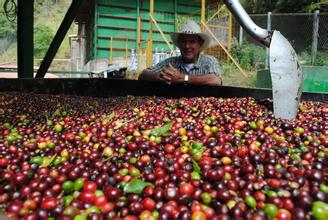
The country’s coffee-growing regions, nestled in the Andes Mountains, benefit from high altitudes, consistent rainfall, and rich volcanic soils. These conditions slow cherry maturation, allowing for complex sugar development. Additionally, Colombia’s microclimates—created by the three parallel mountain ranges—allow for year-round harvesting of different coffee varieties.
How Does Colombian Coffee Differ from Brazilian Coffee?
Worldwide, coffees are broadly categorized into two types: “hard” beans (like Brazil’s), grown at lower altitudes with bold, nutty, and sometimes chocolatey flavors; and “soft” beans (like Colombia’s), cultivated at higher elevations with brighter acidity and smoother profiles. Brazilian coffee is typically grown on sprawling plateaus using more extensive farming methods, resulting in a heavier body and stronger, sometimes harsher, taste. Colombian coffee, grown in shaded, high-altitude microclimates, tends to be more delicate, with a cleaner cup and nuanced flavors.
Brazil is the largest coffee producer globally, often using mechanized harvesting for its flat terrain, while Colombia’s mountainous landscape requires manual picking, ensuring only ripe cherries are selected. This contributes to the overall quality and consistency of Colombian beans.
Flavor Profiles of Popular Colombian Coffee Varieties
Colombia offers over 200 distinct coffee profiles based on region, altitude, and processing. Notable examples include:
- Huila Excelso (Washed, Medium-Dark Roast): Notes of hazelnut, pistachio, and caramel, with a creamy texture.
- Santa Rita Estate (Washed, Medium-Dark Roast): Clean cup with subtle sweetness and medium body.
- Excelso Premium (Washed, Medium-Dark Roast): Balanced flavor with nutty and chocolatey undertones.
- Geisha (Natural Process, Light Roast): Bright acidity with berry, honey, and vanilla notes.
- Mocha (Honey Process, Medium Roast): Floral, apple, and woody tones with a hint of cane sweetness.
These varieties highlight Colombia’s ability to produce diverse flavor profiles, from classic chocolate-nutty blends to exotic, fruity gesha coffees.
Who Grows Colombian Coffee?
Colombia’s coffee industry is powered by approximately 302,000 small farms, averaging just 2 hectares in size. Over 80% of these farms have fewer than 5,000 coffee trees. The majority of production comes from the central and western mountain regions, where growers cultivate coffee under the shade of larger trees to protect the cherries and enhance flavor complexity.
Farmers employ careful agricultural practices, such as planting shade trees and banana plants around coffee bushes, and using protective covers for young plants to maintain ideal humidity and temperature. These methods slow cherry development, increasing the concentration of sugars and aromatic compounds. Unlike Brazil, Colombia is largely free from frost risks, allowing for more stable annual yields.
Colombian Coffee Varietals: Focus on Arabica

The backbone of Colombian coffee is the Arabica variety, which thrives at elevations between 900–2,000 meters. Arabica plants require cooler temperatures (15–24°C), high humidity (annual rainfall >1,500mm), and meticulous cultivation. Globally, Arabica accounts for 65–80% of coffee production, and Colombian Arabica is especially prized for its bright acidity, floral and fruity notes, and smooth, sweet finish.
Unroasted Arabica beans are typically long, oval, and greenish, with a more delicate flavor profile compared to Robusta. When roasted, they develop complex aromas ranging from fruity and floral (light roasts) to caramel and chocolate (dark roasts). Arabica’s versatility and quality have earned it the nickname “green gold.”
Frequently Asked Questions
What makes Colombian coffee different from other types?
Colombian coffee is known for its balanced acidity, medium body, and smooth, sweet flavor with notes of nuts, caramel, and mild fruit. It’s grown at high altitudes in the Andes, which slows cherry ripening and enhances sugar development, resulting in a softer, more aromatic cup compared to bolder Brazilian or African coffees.
Why is Colombian coffee considered smoother than Brazilian coffee?
Colombian coffee is grown at higher altitudes with cooler temperatures, leading to slower cherry maturation and more complex sugar development. This results in a smoother, sweeter, and more balanced flavor. Brazilian coffee, often grown at lower altitudes, tends to have a bolder, more intense, and sometimes earthier profile.
What are the main coffee-growing regions in Colombia?
The main regions include Huila, Antioquia, Tolima, and Cauca, all located in the Andes Mountains. These areas feature high altitudes, rich volcanic soils, and microclimates that allow for year-round harvesting and diverse flavor profiles.
Is Colombian coffee mostly Arabica or Robusta?
Colombian coffee is almost exclusively Arabica. The country focuses on high-quality Arabica beans, particularly grown at elevations between 900–2,000 meters, which are ideal for producing its signature smooth and flavorful cups.
What brewing methods work best with Colombian coffee?
Colombian coffee’s balanced profile makes it suitable for various brewing methods, including pour-over, French press, espresso, and drip. Its medium body and bright acidity shine in pour-over and AeroPress, while its sweetness complements milk-based drinks like lattes.
Recommended FrontStreet Beans for Colombian Coffee Lovers
For those exploring Colombian coffee, FrontStreet offers several standout options. Their Huila Excelso (washed, medium-dark roast) features hazelnut, pistachio, and caramel notes with a creamy texture. The Santa Rita Estate (washed, medium-dark roast) delivers a clean, balanced cup with subtle sweetness. Meanwhile, the Excelso Premium (washed, medium-dark roast) highlights balanced flavors with nutty and chocolatey undertones. All three showcase Colombia’s signature smoothness and versatility. Freshly roasted within 5 days · Orders placed before 17:00 ship the same day · Next-day delivery across most of Guangdong Province.
FrontStreet Coffee is a long-established specialty coffee roaster in Guangzhou China, selling freshly roasted beans from its own farm in Yunnan as well as dozens of carefully selected single-origin beans from around the world for both pour-over and espresso. The products deliver consistently excellent quality and great value, with shipping within 24 hours. Guangzhou's FrontStreet Coffee shop is recommended by many coffee lovers, and the beans are now available online at the Tmall 。
Important Notice :
前街咖啡 FrontStreet Coffee has moved to new addredd:
FrontStreet Coffee Address: 315,Donghua East Road,GuangZhou
Tel:020 38364473