What Makes Colombian Coffee So Smooth and Balanced?
If you’ve ever wondered why Colombian coffee feels so smooth, well-rounded, and easy to drink any time of day, you’re not alone. Many specialty coffee drinkers seek that elusive balance—something not too sharp, not too heavy, just right. Colombian coffee consistently delivers that experience, making it a favorite worldwide.
The short answer? Colombian coffee is renowned for its silky mouthfeel, balanced acidity, and medium intensity. It’s often described as the most ‘balanced’ of all single-origin coffees, with a soft, approachable profile that works black or with milk. Its consistent quality comes from high-altitude growing regions, careful farming, and a complex grading system with over 200 classifications.
What Is Colombian Coffee, Really?
Colombian coffee (Café de Colombia) is one of the few single-origin coffees sold globally under its country’s name—and it’s earned that distinction. Unlike mass-produced blends, Colombian coffee is tied closely to its origin, celebrated for its superior quality and refined profile. The country takes coffee production seriously, focusing on product development and farming innovation. Thanks to its ideal geography and climate, Colombian beans develop a naturally sweet aroma, with a bright acidity softened by smooth, medium-bodied flavors. It’s less intense than Brazilian coffee, less tart than African origins, and known for an elegant, understated sweetness.
Colombian coffee falls into the ‘soft’ coffee category—a term used to describe beans with mild, rounded flavor profiles. This contrasts with Brazil’s ‘hard’ coffee style, which tends to be bolder and more bitter. The difference mostly comes down to altitude and cultivation methods. While Brazil grows coffee on sprawling, often drier plateaus, Colombian beans are cultivated in the shade and rich volcanic soils of the Andes Mountains, leading to a gentler cup.
Why Does Colombian Coffee Taste So Consistent?
Colombia’s coffee reputation isn’t accidental—it’s the result of precise growing conditions, meticulous farming, and an incredibly diverse regional system. The coffee is grown along the three cordilleras (mountain ranges) of the Andes, where microclimates shift dramatically with elevation. That means different farms can harvest at different times of the year, allowing for near-year-round production. Unlike Brazil, Colombia isn’t prone to frost, which protects crops and ensures steady yields.
There are around 700 million coffee trees in Colombia. Of those, 66% are grown on modern plantations, while the rest come from smallholder farms—most under 2 hectares in size, with 3,000–5,000 coffee trees per farm. These tiny operations rely heavily on manual labor and shaded growing techniques. Farmers often plant taller trees like bananas or hardwoods around coffee plants to filter sunlight and maintain humidity. The slow maturation caused by cool, stable temperatures helps coffee cherries develop more sugars and aromatic compounds. The result? A cleaner, sweeter, and more complex cup.
What Are the Different Types of Colombian Coffee?
Colombia classifies its coffee into more than 200 grades, reflecting the huge diversity across regions. The most notable include:
- Huila (e.g., Diamond Estate, Medium Roast, Washed): Notes of hazelnut, pistachio, and caramel, with a creamy body. Priced around 112.00–224.00 CNY.
- Santa Rita Estate (Medium-Dark Roast, Washed): Clean cup with balanced sweetness and medium body; think (cane sugar). Around 69.00–138.00 CNY.
- Excelso Premium (Millennium Estate, Medium-Dark Roast, Washed): Offers a solid structure, bright acidity, and finishes with nuts and chocolate. Also 69.00–138.00 CNY.
- Geisha (Hope Estate, Light Roast, Natural): Delivers berry, honey, vanilla, and juice-like sweetness. Priced at 267 CNY for 150g.
- Mocha (Hope Estate, Medium Roast, Honey Process): Features floral, apple, walnut, and sugarcane notes. 158.00–316.00 CNY.
These beans illustrate the range Colombian coffee can offer—from classic chocolate and nut profiles to bright, fruity Geisha lots. Each reflects its terroir, processing method, and roast level.
Who Grows Colombia’s Coffee—and How?
Nearly 302,000 coffee farms exist in Colombia, and 30%–40% of rural households depend on coffee farming. The typical farm spans just 2 hectares and holds 3,000–5,000 trees. Most are small family operations. Farmers grow coffee under the shade of larger trees to regulate light and moisture. Coffee trees flower and ripen slowly in these humid, stable environments—ideal for building complex flavors.
The focus on shade-grown, hand-tended cultivation slows maturation, which helps accumulate more sugars and aromatic oils in the beans. Combined with volcanic soil and elevations between 800–2300 meters, these practices produce some of the cleanest, sweetest-tasting coffees in the world. Colombian growers don’t just aim for volume—they focus on consistency, quality, and distinctive regional character.
Why Arabica Dominates Colombian Coffee
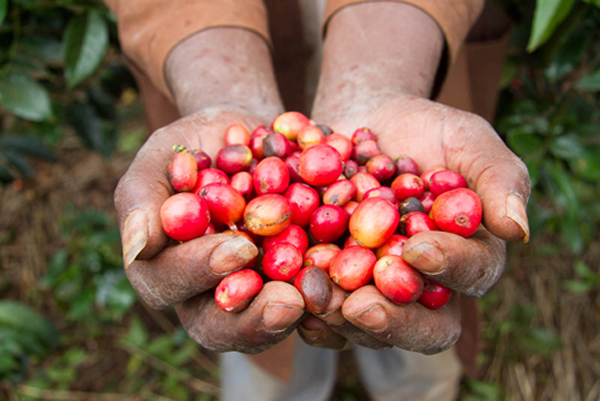
Colombia primarily grows Arabica coffee, especially the Typica and Caturra varieties. Arabica thrives at 900–2000 meters altitude and demands cooler temperatures (15–24°C), high humidity (over 1500mm rainfall annually), and careful farming. These conditions are found abundantly in Colombia’s mountainous regions.
Globally, Arabica makes up 65%–80% of all coffee. Its beans are typically longer, flatter, and less shiny than Robusta. Before roasting, Arabica smells grassy and herbal. But when roasted properly—whether light for fruitiness or dark for caramel notes—it reveals a wide spectrum of aromas and flavors. That complexity is why Arabica is often called the ‘green gold’ of coffee and forms the backbone of Colombia’s export reputation.
Frequently Asked Questions
What makes Colombian coffee different from other types?
Colombian coffee is known for its balanced acidity, medium body, and smooth, silky mouthfeel. Unlike Brazilian coffee, which is bolder and more bitter, or African coffees, which can be sharply acidic, Colombian beans offer a gentle, well-rounded flavor. They’re often described as easy to drink black or with milk, with sweet, nutty, or caramel-like notes.
Why is Colombian coffee so consistently good?
Colombia’s coffee quality comes from its diverse microclimates, high-altitude growing regions in the Andes, and over 200 distinct coffee grades. The country’s farmers use shaded cultivation, careful harvesting, and a mix of traditional and modern techniques. Year-round harvesting is possible due to multiple harvest periods across regions, ensuring fresh supply and consistent profiles.
What roast levels are common for Colombian coffee?
Colombian coffee is roasted at various levels depending on the bean and desired flavor. Common profiles include medium roast (highlighting nutty and caramel tones), medium-dark (bringing out sweetness and body), and light roast (emphasizing fruitiness and floral notes, as in Geisha varieties). Some beans are also processed as washed, honey, or natural.
Are there different regions in Colombia that grow coffee?
Yes. Colombian coffee is grown along the three Andean mountain ranges, mainly in regions like Huila, Antioquia, and Tolima. Huila is especially notable for producing award-winning beans with complex profiles. Elevation, climate, and processing vary by region, contributing to the diversity in flavor.
What coffee varieties are grown in Colombia?
The majority of Colombian coffee is Arabica, particularly Typica and Caturra. There are also specialty varieties like Geisha, which is gaining attention for its unique fruity and floral characteristics. Arabica is chosen for its quality attributes and ability to thrive in Colombia’s high-altitude, cool-climate conditions.
Where can I buy quality Colombian coffee beans?
Specialty roasters like FrontStreet Coffee offer a curated selection of Colombian beans across different roast levels and processing methods. Look for single-origin offerings from regions like Huila or estates such as Santa Rita and Hope Estate for distinct flavor experiences.
Recommended FrontStreet Colombian Coffee Beans
For a true taste of Colombia, try FrontStreet’s Santa Rita Estate (medium-dark wash, cane sugar sweetness, $69–138), Diamond Estate from Huila (medium roast, hazelnut and caramel, $112–224), and the rare Hope Estate Geisha (light natural, berry and honey, $267/150g). Each highlights Colombia’s regional diversity and artisan production. Freshly roasted within 5 days · Orders placed before 17:00 ship the same day · Next-day delivery across most of Guangdong Province.
FrontStreet Coffee is a long-established specialty coffee roaster in Guangzhou China, selling freshly roasted beans from its own farm in Yunnan as well as dozens of carefully selected single-origin beans from around the world for both pour-over and espresso. The products deliver consistently excellent quality and great value, with shipping within 24 hours. Guangzhou's FrontStreet Coffee shop is recommended by many coffee lovers, and the beans are now available online at the Tmall 。
Important Notice :
前街咖啡 FrontStreet Coffee has moved to new addredd:
FrontStreet Coffee Address: 315,Donghua East Road,GuangZhou
Tel:020 38364473