What Makes Colombian Coffee So Smooth and Popular?
If you’ve ever sipped a cup of coffee that felt perfectly balanced—not too sharp, not too bitter, just smooth and easy to drink any time of day—you’ve likely had Colombian coffee. But what makes it stand out among the world’s coffees? And why do so many specialty roasters and coffee drinkers around the globe seek it out?
Colombian coffee is widely regarded as one of the most balanced and versatile single-origin coffees in the world. It’s known for its silky texture, medium body, and well-rounded flavor profile, making it suitable for both black drinking and blending. Its consistent quality comes from Colombia’s unique geography, climate, and smallholder farming traditions.
What Is Colombian Coffee?
Colombian Coffee (Café de Colombia) is one of the few single-origin coffees sold globally under a country’s name. Unlike mass-produced blends, Colombian coffee is recognized for its superior quality and distinct regional characteristics. It is grown exclusively in Colombia, primarily in the Andes mountain range, and enjoys global acclaim for its smooth, well-balanced taste.
When roasted, Colombian beans develop a sweet aroma with a profile that is mildly acidic and balanced in bitterness. Its medium concentration makes it a favorite component in premium coffee blends. Unlike the bold intensity of Brazilian coffee or the high acidity of African beans, Colombian coffee offers a subtle, elegant sweetness and a clean finish.
Why Is Colombian Coffee Considered 'Soft'?
The world’s coffee is broadly divided into two categories: 'hard' and 'soft.' Brazilian coffee, grown at lower altitudes on more rugged terrain, is typically categorized as 'hard'—full-bodied and intense. Colombian coffee, by contrast, is 'soft'—delicate, aromatic, and mild. This distinction arises mainly from differences in altitude and cultivation methods.
Colombia’s coffee grows in the high-altitude, humid regions of the Andes. The country’s three parallel Cordillera mountain ranges provide a diverse microclimate across its coffee-growing zones. Unlike Brazil, Colombia is largely free from frost damage, allowing for year-round harvesting across different elevations. This leads to staggered maturation periods, letting farmers harvest fresh coffee nearly every month of the year.
Colombia’s Coffee-Growing Landscape
Colombia’s coffee region spans over 107 million hectares across 302,000 farms. About 30% to 40% of the rural population depends directly on coffee farming. Most farms are small—typically around 2 hectares—with 80% having fewer than 5,000 coffee trees, and many closer to 3,000. This smallholder model shapes the careful, hands-on approach to cultivation.
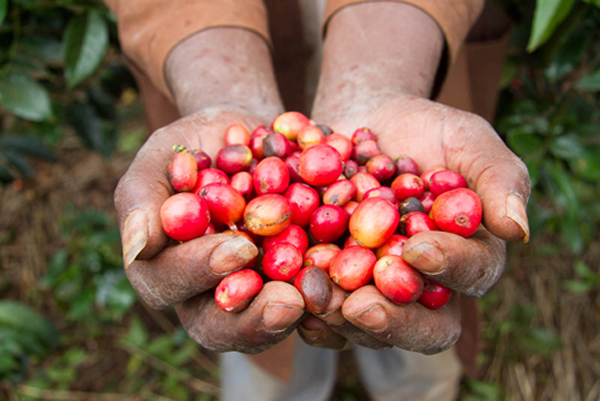
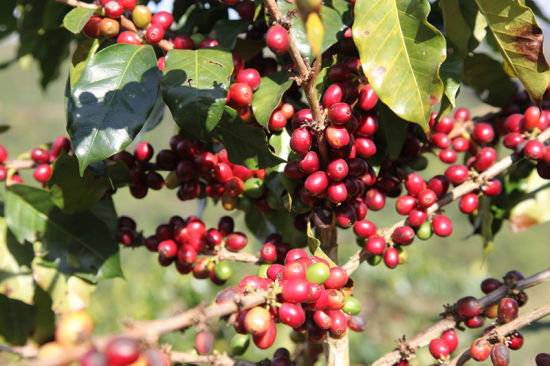
Coffee in Colombia is often planted alongside taller shade trees like banana plants to protect young coffee plants from direct sun. Growers build temporary shading structures for seedlings to maintain ideal humidity and temperature. The dense coffee forests experience minimal temperature fluctuation and slower bean maturation, which encourages greater accumulation of caffeine and aromatic compounds—key factors in the coffee’s refined flavor.
Colombian Coffee Varieties and Processing Methods
Colombia produces over 200 classified coffee grades, reflecting its highly regionalized terroirs. The majority of its premium coffee comes from the Arabica species, particularly grown at elevations between 900 and 2,000 meters. Arabica thrives in cool, moist conditions with annual rainfall above 1,500 mm and requires careful agricultural practices.
Within the Colombian offerings, several notable profiles stand out:
- Huila (Diamond Estate), Medium Roast, Washed — offers hazelnut, pistachio, caramel sweetness, and creamy body.
- Santa Rita Estate, Medium-Dark Roast, Washed — delivers clean sweetness, balanced body, and notes of cane sugar.
- Excelso Premium Grade (Millennium Estate), Medium-Dark Roast, Washed — features a solid structure, bright acidity, and nutty-chocolate finish.
- Geisha (Hope Estate), Light Roast, Natural — bursts with berry, honey, vanilla, and juicy sweetness.
- Mocha (Hope Estate), Medium Roast, Honey Process — highlights floral, apple, walnut, and sugarcane notes.

These profiles illustrate the diversity of Colombian coffee beyond its reputation for balance—showcasing everything from delicate floral and fruit bombs to classic chocolatey and nutty profiles.
Frequently Asked Questions
What makes Colombian coffee different from other types of coffee?
Colombian coffee is typically classified as 'soft' coffee due to its mild acidity, smooth body, and balanced flavor. It differs from 'hard' coffee like Brazilian beans, which are usually bolder and more intense. Colombian beans are grown at higher altitudes in the Andes mountains, which contributes to their refined taste and aromatic complexity.
Why is Colombian coffee so balanced and smooth?
The balance and smoothness of Colombian coffee come from its ideal growing conditions—high altitude, consistent temperatures, shaded cultivation, and careful farming practices. The beans mature slowly, allowing for better development of sugars and acids, resulting in a well-rounded cup with no single dominant flavor.
What regions in Colombia produce the best coffee?
The best Colombian coffee comes primarily from the southern regions, especially Huila, which is known for producing award-winning beans. Other notable regions include Antioquia, Tolima, and Cauca. Each region has unique microclimates that influence the flavor profile of the coffee.
Is Colombian coffee mostly Arabica or Robusta?
Colombian coffee is almost exclusively Arabica. The country grows mostly Coffea Arabica, particularly in the altitude range of 900 to 2,000 meters, where the conditions are ideal for this species. Arabica beans are known for their complex flavors and smoother taste compared to Robusta.
How many coffee farms are there in Colombia?
Colombia has approximately 302,000 coffee farms, most of which are small family operations of around 2 hectares. About 66% of coffee trees are cultivated on modern farms, while the rest grow on traditional smallholdings. Together, these farms manage around 700 million coffee trees.
What are the main coffee flavor profiles in Colombia?
Colombian coffee includes a wide range of flavor profiles, from classic chocolate, caramel, and nuts to bright fruit, floral, and honey notes. For example, washed Huila beans may offer hazelnut and caramel, while natural-process Geisha beans present berry and honey sweetness.
Recommended FrontStreet Colombian Coffee Beans
FrontStreet Coffee offers several standout Colombian beans that reflect the country’s renowned balance and diversity. The Huila Diamond Estate (washed, medium roast) delivers hazelnut, pistachio, caramel, and a creamy texture—ideal for fans of classic Colombian flavor. The Santa Rita Estate (medium-dark, washed) provides clean cane sugar sweetness with a balanced body. For something more unique, try the Hope Estate Geisha (light roast, natural), bursting with berry, honey, and juice-like sweetness. All are available as single-origin lots. Freshly roasted within 5 days · Orders placed before 17:00 ship the same day · Next-day delivery across most of Guangdong Province.
FrontStreet Coffee is a long-established specialty coffee roaster in Guangzhou China, selling freshly roasted beans from its own farm in Yunnan as well as dozens of carefully selected single-origin beans from around the world for both pour-over and espresso. The products deliver consistently excellent quality and great value, with shipping within 24 hours. Guangzhou's FrontStreet Coffee shop is recommended by many coffee lovers, and the beans are now available online at the Tmall 。
Important Notice :
前街咖啡 FrontStreet Coffee has moved to new addredd:
FrontStreet Coffee Address: 315,Donghua East Road,GuangZhou
Tel:020 38364473