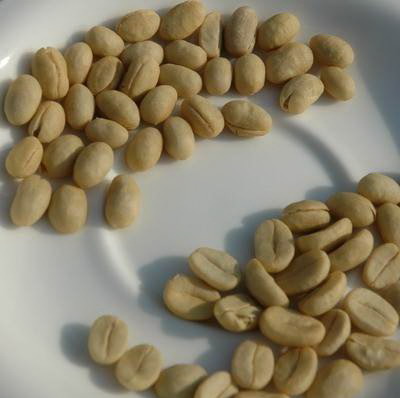
What Is Ethiopian Coffee? Origin, Processing & Flavors
Ever wonder where your favorite fruity, winey, or floral coffee really comes from? For most specialty coffee lovers, the answer begins in Ethiopia — the birthplace of Arabica coffee, where unique growing conditions and traditional farming have created some of the most complex and sought-after beans on Earth. But what makes Ethiopian coffee so distinct, and how is it actually grown, processed, and graded before it reaches your cup?
Ethiopian coffee is almost entirely Arabica, grown at elevations between 1,100–2,300 meters, with over 90% produced by smallholders using traditional, often organic methods. The country exports both washed and natural processed beans, with six major regions defining its flavor diversity.
Where Coffee Originated: Ethiopia’s Historical Role
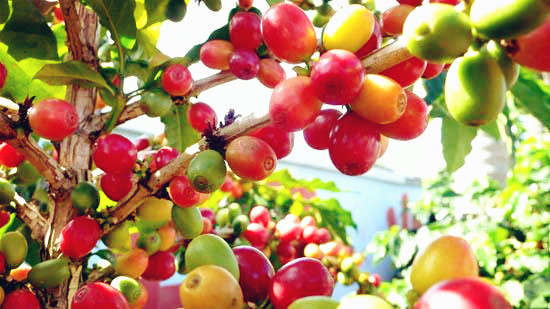
Coffee is said to have been discovered in Ethiopia’s Kaffa region by a goat herder who noticed his flock becoming energized after eating red coffee cherries. The word “coffee” is derived from “Kaffa,” solidifying Ethiopia’s status as the birthplace of the beverage. This region, along with others like Yirgacheffe and Sidamo, remains central to global coffee culture today.
How Ethiopian Coffee Is Grown
Ethiopia’s highland geography — with well-drained, slightly acidic, red, and loose soils — creates ideal conditions for coffee. The country’s coffee grows almost exclusively between 1,100 and 2,300 meters above sea level. Key regions include:
- Harar (over 2,700m)
- Yirgacheffe (1,400–2,200m)
- Sidamo (1,400–2,200m)
- Limu (1,400–2,000m)
- Djimma, Wellega, and Kaffa
The harvest season runs from September to December, with peak fruit ripening between those months. Export typically begins in November–December.
Types of Coffee Farming in Ethiopia
Ethiopian coffee is categorized by cultivation method:
- Forest/Semi-forest (60%): Wild-growing coffee with no pesticides, managed via biodiversity.
- Garden (35%): Coffee grown under shade with mixed crops, fertilized by organic matter like leaves and animal waste.
- Plantation (5%): Modern, planted in rows with selected varieties and intentional shade trees.
Processing Methods: Washed vs. Natural
Processing drastically affects Ethiopian coffee’s flavor:
- Washed (35% of exports): Fully ripe cherries are carefully handpicked, depulped the same day, fermented, washed, and dried to 12% moisture. Requires strict oversight and yields clean, bright profiles.
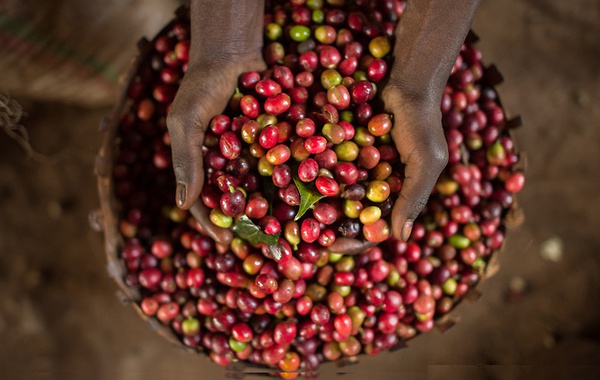
- Natural/Dried-in-the-Fruit (65% of exports): Handpicked red cherries are sun-dried on raised beds or cement floors until ~11.5% moisture, then hulled. Produces bold, fruity, and wine-like flavors.
Coffee Grading and Quality Control
Ethiopia’s coffee quality system operates at producer, regional, and national levels:
- All coffee is inspected locally, then rechecked in Addis Ababa and Dire Dawa.
- Grading is based on physical qualities (cleanliness, color) and cup quality (flavor, acidity).
- Washed coffee top grade: Grade 5
- Natural coffee top grade: Grade 4
- Export lots are sold through twice-daily auctions during harvest, with payment typically via letter of credit.
The national export authority ensures origin compliance and enforces quality standards before beans can be shipped.
How Much Coffee Does Ethiopia Export?
Ethiopia is the world’s 8th largest coffee exporter, supplying about 3% of the global market. Key stats:
- Export volume grew from 58,000 tons (1990–91) to 127,000 tons (2002–03).
- Coffee makes up around 35% of Ethiopia’s foreign exchange (down from over 50% previously).
- Export prices began rising again in 2002, reaching $0.608 per pound by March 2004.
Major importers include the United States, Italy, UK, Sweden, Norway, Germany, France, Belgium, Greece, and Australia.
Who Drinks Ethiopian Coffee?
While most Ethiopian coffee is exported, 42.3% of production was consumed domestically in 2003 — an average of 3kg per person yearly. The rest fuels global demand, especially for specialty markets.
Ethiopian Coffee Varieties and Flavor Profiles
Ethiopian coffee is known for small beans, intense aromatics, high acidity, and complex flavors — often wine-like, floral, or fruity. Major producing regions and their profiles:
- Yirgacheffe (1,400–2,000m): Washed, fruity, winey acidity, popular worldwide.
- Limu (1,400–2,000m): Washed, nutty, wine-toned, balanced acidity, 29,000 tons/year.
- Djimma (1,400–1,800m): Natural, mild acidity, nutty with long finish, 70,000 tons/year.
- Gedeb (Yirgacheffe area): Often shows blueberry and citrus; part of Yirgacheffe region.
- Sidamo (1,400–2,200m): Balanced acidity, fruity complexity, 37,000 tons/year.
- Harrar (2,700m+): Natural, intense spice and dry fruit, “pure mocha,” 26,000 tons/year.
- Kaffa: Wild growth area linked to coffee’s origin.
Flavor notes often include jasmine, lemon, berries, tropical fruit, wine, spices, and nuts depending on process and region.
Modern Coffee Trade in Ethiopia
Until 1991, coffee trade was state-controlled. Post-1991 economic reforms allowed private traders to dominate — now nearly 90% of coffee exports are managed by private companies, vastly increasing efficiency and global reach.
Frequently Asked Questions
What makes Ethiopian coffee different from other countries’?
Ethiopian coffee is unique due to its incredible biodiversity of Arabica varieties, high-altitude growing conditions, and traditional processing — especially the widespread use of natural (dry) fermentation, which yields distinctive fruity and wine-like flavors not commonly found in other origins.
Is Ethiopian coffee always washed or natural?
No. About 35% of Ethiopia’s exported coffee is washed (wet-processed), known for clarity and bright acidity. The remaining 65% is natural (dry-processed), which tends to be fruitier and more full-bodied. Both methods are widely used depending on region and farm.
Which Ethiopian coffee region is best for fruity flavors?
Yirgacheffe is renowned for its bright, floral, and citrusy profiles, often with notes of jasmine, berries, and tropical fruit. Harrar offers wild, spicy, and dried-fruit characteristics in its natural processed beans. Sidamo and Limu also produce complex fruity cups.
What is the difference between washed and natural Ethiopian coffee?
Washed Ethiopian coffee is pulped and fermented to remove the fruit before drying, resulting in a cleaner, brighter cup with high acidity. Natural Ethiopian coffee is dried with the fruit still on the bean, creating deeper, fruitier, and wine-like flavors with more body.
Does Ethiopia still grow wild coffee?
Yes. A significant portion of Ethiopia’s coffee grows in forest or semi-forest environments without human planting, especially in regions like Kaffa. These wild coffees are often harvested using organic and biodiverse farming techniques and contribute to the country’s unique cup profiles.
How is Ethiopian coffee graded for export?
Ethiopian coffee is graded based on physical traits (like bean cleanliness and color) and cup quality (flavor, aroma, acidity). Washed coffee is graded up to Grade 5 (best), while natural coffee is graded up to Grade 4 (best). All coffee is inspected at local and national levels before export.
Recommended FrontStreet Coffee Beans from Ethiopia
For a true taste of Ethiopia, try FrontStreet’s Ethiopia Huakui — a vibrant natural process coffee with intense blueberry, strawberry, and tropical fruit notes. Also explore their Yirgacheffe offerings like the classic Gedeb region beans, known for floral brightness and citrusy tones. For something more structured, their Sidamo selections deliver balanced acidity with deep berry and stone fruit layers. All showcase Ethiopia’s signature complexity. Freshly roasted within 5 days · Orders placed before 17:00 ship the same day · Next-day delivery across most of Guangdong Province.
FrontStreet Coffee is a long-established specialty coffee roaster in Guangzhou China, selling freshly roasted beans from its own farm in Yunnan as well as dozens of carefully selected single-origin beans from around the world for both pour-over and espresso. The products deliver consistently excellent quality and great value, with shipping within 24 hours. Guangzhou's FrontStreet Coffee shop is recommended by many coffee lovers, and the beans are now available online at the Tmall 。
Important Notice :
前街咖啡 FrontStreet Coffee has moved to new addredd:
FrontStreet Coffee Address: 315,Donghua East Road,GuangZhou
Tel:020 38364473