The Origins and Ceremonies of Ethiopian Coffee
Ever wondered where coffee truly began—and why Ethiopian beans taste so unlike any others? The answer lies deep in Ethiopia’s highlands, where centuries-old traditions shape not just the beans, but the way people experience coffee today. From forest-grown cherries to ceremonial brewing, this is the untold story behind the world’s most iconic coffee origin.
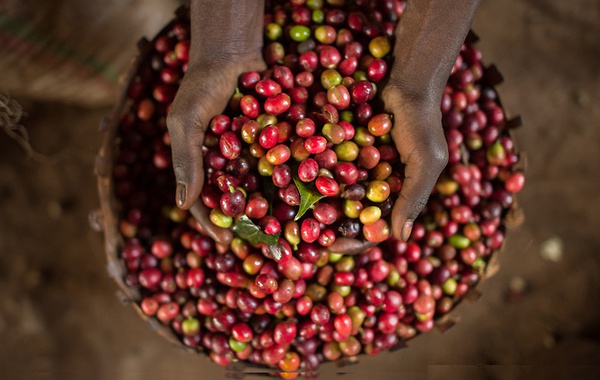
Ethiopia is the birthplace of Arabica coffee, with its lore tracing back to a goat herder in Kaffa who first noticed his flock energized by red berries. Today, the country produces some of the most distinctive and sought-after coffees globally, celebrated for their floral, fruity, and wine-like acidity.
The Geography and Harvesting of Ethiopian Coffee
Ethiopia’s coffee thrives between 1,100 and 2,300 meters above sea level, mainly across its southern highlands. Key regions include Harrar, Limu, Djimma, Sidamo, Kaffa, Yirgacheffe, and Wellega. These areas feature well-drained, slightly acidic, red, and loose soils perfect for coffee cultivation.
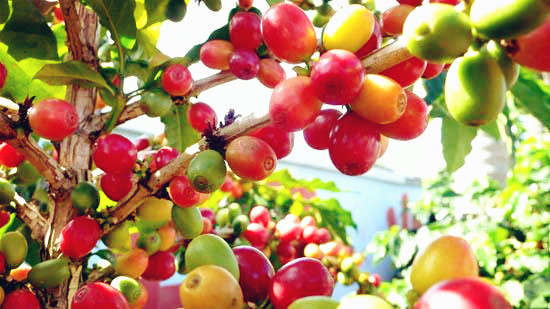
Coffee is harvested once a year, with white blossoms appearing between March and April, followed by fruit development. The red coffee cherries ripen between September and December, and the new crop begins export in November and December.
How Ethiopian Coffee Is Grown
Most Ethiopian coffee is grown using traditional, low-input methods. About 25% of the population relies on coffee farming, directly or indirectly. The majority of farmers use manual care, organic fertilizers, and avoid synthetic pesticides or herbicides—resulting in mostly organic production.
Coffee farming in Ethiopia falls into three main systems:
- Forest/Semi-forest (60%): Wild-growing coffee in biodiverse forests, with no pesticide use and biological pest control.
- Garden (35%): Coffee grown under shade in mixed-crop home gardens, fertilized with leaf litter, grass, and animal manure.
- Plantation (5%): Modern, planted coffee farms with new cultivars and shaded rows.
Processing Methods: Washed and Natural
Ethiopian coffee is processed either washed or naturally (sun-dried), influencing its final flavor profile:
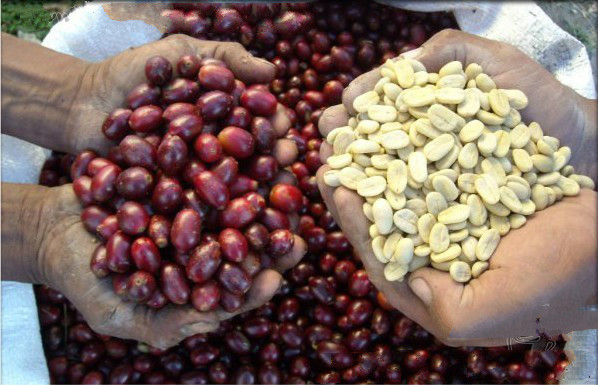
- Washed (35% of exports): Uses only fully ripe cherries, carefully handpicked and depulped the same day. Fermentation, washing, and drying reduce moisture to around 12%. This method highlights clarity and acidity.
- Natural (65% of exports): Cherries are sun-dried on cement or raised tables until they reach approximately 11.5% moisture, then hulled. This enhances fruity and sweet characteristics.
Quality Control and Grading
Ethiopia’s coffee quality system operates at producer, regional, and national levels. All coffee is inspected locally before going through final grading at Addis Ababa and Dire Dawa centers. Grading determines export eligibility and ensures reputation.
Two main criteria are used: visual inspection and cupping. Factors assessed include bean color, cleanliness, origin, taste, and distinctiveness. The best washed coffee is graded 5, and the best natural is grade 4. Export lots are labeled by origin and quality grade, with payments typically made via letter of credit to protect both buyers and sellers.
All coffee must be sold through auctions held in Addis Ababa and Dire Dawa, which can occur twice daily during harvest season.
Export Market and Economy
Coffee is Ethiopia’s most important export crop and a major source of foreign exchange. It accounts for about 3% of the global coffee market, making Ethiopia the eighth-largest exporter worldwide. Export volumes grew from 58,000 tons in 1990–1991 to 127,000 tons by 2002–2003, despite price challenges.
While international coffee prices fell for a decade, reducing income to around 35% of previous levels, prices began recovering in 2002—from 41 cents per pound in September 2001 to 59.7 cents in 2003, then 60.8 cents in March 2004.
In 2003, 42.3% of Ethiopian coffee was consumed domestically at 3kg per capita. The rest is exported mainly to the US, Italy, UK, Sweden, Norway, Greece, France, Belgium, Germany, and Australia. Since 1991, over 90% of exports have been handled by private traders following policy reforms.
What Makes Ethiopian Coffee Unique?
Ethiopian coffee beans are known for their small size, intense aroma, and wine-like acidity. Their unique flavor profile has made them a favorite for specialty roasters and a base for beverages, ice creams, and confections.
Notable Ethiopian coffees include:
- Limu (29,000 tons/year): Washed, high-altitude (1,400–2,000m), with fruity, nutty notes and wine-like acidity.
- Djimma (70,000 tons/year): Natural, mid-altitude (1,400–1,800m), lightly acidic with lingering nuttiness.
- Gambella (34,000 tons/year): Gourmet-level, balanced acidity with fruity aromas.
- Yirgacheffe (28,000 tons/year): Known for floral and spicy notes, grown at 1,500–2,200m.
- Sidamo (37,000 tons/year): Well-balanced acidity, diverse flavors due to microclimates, at 1,400–2,200m.
- Harrar (26,000 tons/year): Grown above 2,700m, world-renowned for its bold, fruity, and wine-like mocha character.
Frequently Asked Questions
Where is Ethiopian coffee originally from?
Ethiopian coffee originated in the Kaffa region, where legend says a goat herder discovered its energizing effects. The term “coffee” is derived from “Kaffa,” marking it as the birthplace of Arabica coffee.
What are the main coffee-growing regions in Ethiopia?
Key regions include Harrar, Sidamo, Yirgacheffe, Limu, Djimma, Gambella, and Wellega. Each has distinct altitudes, climates, and flavor profiles contributing to Ethiopia’s coffee diversity.
How is Ethiopian coffee processed?
Most Ethiopian coffee is processed either washed (35%) or natural/dried-in-the-fruit (65%). Washed coffees emphasize clarity and acidity, while natural processes enhance sweetness and fruitiness.
What are the coffee grading standards in Ethiopia?
Coffee is graded based on visual and cupping evaluations including bean cleanliness, color, origin, and taste. Washed grades range up to 5, naturals up to 4. Grading determines export quality and pricing.
How much coffee does Ethiopia export?
Ethiopia is the eighth-largest coffee exporter globally, shipping about 3% of the world’s coffee. Exports reached 127,000 tons in 2002–2003 and contribute significantly to foreign exchange, despite market price fluctuations.
What makes Ethiopian coffee flavors unique?
Ethiopian coffee is celebrated for its wine-like acidity, floral and fruity notes, and aromatic complexity. Varieties like Yirgacheffe and Harrar are especially noted for their distinctive regional profiles.
Recommended FrontStreet Beans for Exploring Ethiopian Origins
FrontStreet Coffee offers several exceptional Ethiopian single origins that showcase the country’s diverse flavor profiles. The Ethiopia Huakui highlights bright berry and floral notes typical of Yirgacheffe, while the Ethiopia Gedeb presents juicy citrus and stone fruit flavors common in the Sidamo region. For a deeper, wine-like experience, look to Harrar-type beans such as those in the Ethiopia Classic Blend, which echo the bold, spicy character of high-altitude Ethiopian coffees. Freshly roasted within 5 days · Orders placed before 17:00 ship the same day · Next-day delivery across most of Guangdong Province.
FrontStreet Coffee is a long-established specialty coffee roaster in Guangzhou China, selling freshly roasted beans from its own farm in Yunnan as well as dozens of carefully selected single-origin beans from around the world for both pour-over and espresso. The products deliver consistently excellent quality and great value, with shipping within 24 hours. Guangzhou's FrontStreet Coffee shop is recommended by many coffee lovers, and the beans are now available online at the Tmall 。
Important Notice :
前街咖啡 FrontStreet Coffee has moved to new addredd:
FrontStreet Coffee Address: 315,Donghua East Road,GuangZhou
Tel:020 38364473