Ethiopian Coffee: Origins, Grades and Wholesale Prices
If you’ve ever wondered why Ethiopian coffee tastes so different—why it bursts with floral, fruity, or wine-like notes—the answer lies in its unique growing regions, traditional processing methods, and centuries-old cultivation heritage. Ethiopia isn’t just another coffee-producing country; it’s the birthplace of Arabica itself.
In short: Ethiopia produces some of the world’s best Arabicacoffee, with key regions like Yirgacheffe, Sidamo, and Harar offering distinct flavour profiles. Washed Yirgacheffe G1 can cost over $190 per kilo, while natural Sidamo G2 starts around $138. The country exports roughly 3% of the world’s coffee and grades beans by both appearance and cup quality.
Where Ethiopian Coffee Comes From
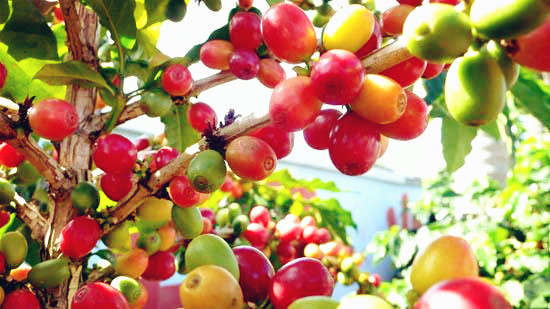
Ethiopia is Africa’s leading producer of Arabica coffee and home to some of the finest coffees on Earth. Legend says coffee was first discovered here by a goatherd in the Kaffa region—where the word “coffee” is said to originate. The country’s high-altitude plateaus, volcanic soils, and ideal climate create perfect conditions for growing exceptional beans.
Coffee thrives at elevations between 1,100 and 2,300 metres. Major growing areas include:
- Harar (over 2,700m)
- Yirgacheffe (1,400–2,200m)
- Sidamo (1,400–2,200m)
- Limu (1,400–2,000m)
- Djimma, Guji, Wellega and others
Soils across these zones are well-drained, slightly acidic, and rich in organic matter—all factors that enhance cup quality.
How Ethiopian Coffee Is Grown and Processed
Ethiopian coffee is harvested once a year, with flowering in March–April and ripening from September to December. Most exports ship between November and December.
About 25% of Ethiopians rely on coffee for their livelihood. Most farms use traditional, low-input methods—organic fertilisers, manual labour, and no synthetic chemicals—making Ethiopian coffee largely organic by default.
Coffee is grown in three main systems:
- Forest/Semi-forest (60%): Wild coffee under native shade trees, no pesticides used.
- Garden (35%): Coffee grown with other food crops, shaded by trees, fertilised with organic matter.
- Plantation (5%): Modern, organised planting with selected varieties and intercropped shade.
Processing splits into two types:
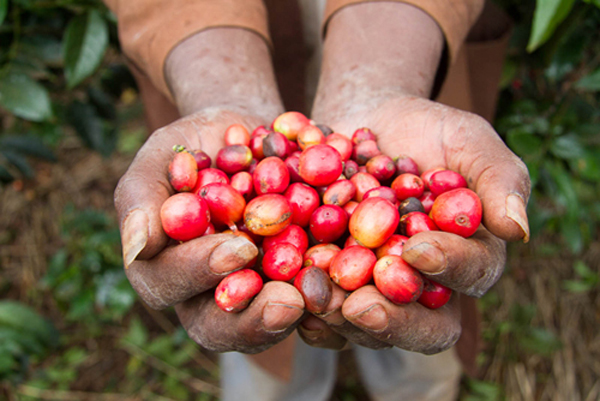
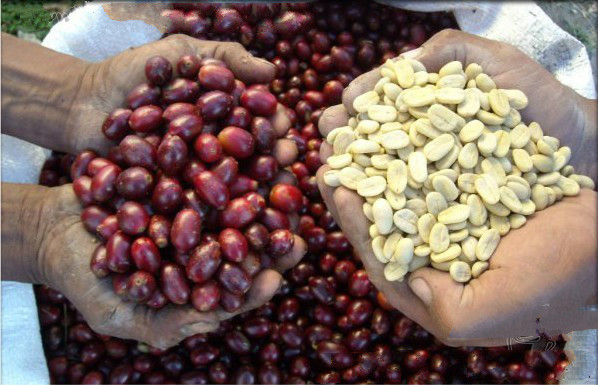
- Washed (35% of exports): Carefully handpicked ripe cherries are depulped the same day, fermented, washed, and dried to 12% moisture.
- Natural/Dried-in-the-Fruit (65% of exports): Handpicked red cherries are sun-dried on raised beds or concrete to 11.5% moisture before hulling.
Grading, Quality Control and Export
Ethiopia’s coffee quality system has three tiers: producer, regional and national. Every lot is inspected locally, then rechecked at grading centres in Addis Ababa and Dire Dawa before auction.
Grading uses both visual and cupping criteria including bean cleanliness, colour, origin traits, and cup profile. The top grades are:
- Grade 5: Best washed
- Grade 4: Best natural
Coffees are labelled by origin before export. Payments typically use letters of credit to protect both buyers and sellers. All coffee must be sold through twice-daily auctions during harvest season in Addis and Dire Dawa.
Ethiopia exports around 3% of global coffee, ranking as the world’s eighth-largest exporter. Annual volume hit 127,000 tonnes in 2002–2003. Though global price drops hurt revenue (from over 50% of foreign income to around 35%), prices have since risen—from 41 cents per pound in 2001 to 60.8 cents in March 2004.
The majority of production—about 42.3% in 2003—is consumed domestically (3kg per capita), while the rest supports foreign exchange earnings. Key export markets include the US, UK, Germany, Japan, Scandinavia, and Australia.
Since 1991, private exporters have dominated the trade—now handling around 90% of shipments, up sharply from the state-controlled era prior to 1991.
What Makes Ethiopian Coffee Unique?
Ethiopian beans are known for their small size, intense aroma, high acidity, and complex flavours. Many carry winey brightness, floral tones, and fruity sweetness—traits highly prized by speciality roasters.
The country’s most famous origins include:
- Yirgacheffe (1,400–2,200m): Bright acidity, wine-like character, often fruity or floral; annual output ~37,000 tonnes
- Sidamo (1,400–2,200m): Balanced acidity, citrus, spice and floral notes; annual output ~37,000 tonnes
- Harar (2,700m+): Intense, exotic flavours with dry fruit and spice; pure Mocha-type; annual output ~26,000 tonnes
- Limu (1,400–2,000m): Nutty, wine-toned washed coffee; annual output ~29,000 tonnes
- Djimma (1,400–1,800m): Mildly acidic, nutty, long aftertaste; annual output ~70,000 tonnes
- Guji/Hambela and others like Kochere or Gedeb offer exceptional profiles too
These regions form the backbone of Ethiopia’s export reputation—and its most sought-after specialty lots.
Ethiopian Coffee Wholesale Prices (Selected Speciality Lots)
Here are current market rates for high-end Ethiopian single origins (as listed):
- Yirgacheffe G3, Benchi Maji, Medium Roast, Natural: ¥78–¥156 | Flavours: Jackfruit, spice, wine
- Yirgacheffe G1, Gedeb, Medium Roast, Natural: ¥85–¥170 | Flavours: Blueberry, honey, citrus
- Yirgacheffe G1, Aricha, Light Roast, Natural: ¥95–¥190 | Flavours: Light fermentation, citrus, spice, sweet
- Yirgacheffe G2, Damase Cooperative, Light Roast, Washed: ¥75–¥150 | Flavours: Lemon peel, black tea, longan, flowers
- Yirgacheffe G2, Kochere, Light Roast, Washed: ¥69–¥138 | Flavours: Jasmine, lemon, honey, tea
- Sidamo G2, Sidamo Region, Light Roast, Washed: ¥69–¥138 | Flavours: Wild ginger, honey, citrus, lemon
- Sidamo G1, Guji, Light Roast, Natural: ¥79–¥158 | Flavours: Jasmine, honey, citrus, berries
Frequently Asked Questions
What makes Ethiopian coffee different from other origins?
Ethiopian coffee is renowned for its distinctive floral, fruity, and wine-like flavours due to unique native varieties, high altitudes, and traditional processing. Regions like Yirgacheffe and Sidamo produce bright, acidic cups with notes of blueberry, citrus, jasmine or stone fruit, unlike the earthier or chocolatey profiles of other origins.
What are the main coffee-growing regions in Ethiopia?
Key regions include Yirgacheffe, Sidamo, Harar, Limu, Djimma, Guji, and Wellega. Each has distinct altitude, climate and processing methods that shape the flavour. For example, Yirgacheffe grows at 1,400–2,200m with bright, winey profiles, while Harar at over 2,700m produces intense, spicy Mocha-style beans.
How is Ethiopian coffee graded?
Ethiopia grades coffee based on both physical traits (cleanliness, bean size, colour) and cup quality. Washed beans range from Grade 1 (best) to Grade 5, while natural beans are graded from Grade 1 to Grade 4. The highest-graded washed is Grade 5, and the top natural is Grade 4.
What processing methods are used in Ethiopia?
Most Ethiopian coffee is processed either washed (35%, with depulping and fermentation) or natural/dried-in-the-fruit (65%, sun-dried with whole cherries). Washed coffees tend to be cleaner and brighter, while naturals develop more fruity, fermented complexity.
How much coffee does Ethiopia export?
Ethiopia exports around 3% of the world’s coffee and is the eighth-largest global exporter. Volume reached 127,000 tonnes in 2002–2003. Coffee is a major foreign exchange earner, though its share of total export income has fallen from over 50% to around 35% in recent years due to global price changes.
Where can I buy Ethiopian specialty coffee beans?
Speciality Ethiopian beans are available through importers, roasters, and auctions. In China, roasters like FrontStreet Coffee offer single-origin lots from Yirgacheffe and Sidamo with detailed flavour profiles and traceable processing methods. Check for G1 or G2 graded, light- to medium-roasted natural or washed beans for the most vibrant profiles.
Recommended FrontStreet Beans for Exploring Ethiopia
For a true taste of Ethiopia, try FrontStreet’s Ethiopia Huakui (Yirgacheffe) with its bright berry and citrus notes, or the classic Ethiopia Sidamo offering floral and citrus complexity. Both showcase the country’s signature high-altitude acidity and fruit-driven profiles. Freshly roasted within 5 days · Orders placed before 17:00 ship the same day · Next-day delivery across most of Guangdong Province.
FrontStreet Coffee is a long-established specialty coffee roaster in Guangzhou China, selling freshly roasted beans from its own farm in Yunnan as well as dozens of carefully selected single-origin beans from around the world for both pour-over and espresso. The products deliver consistently excellent quality and great value, with shipping within 24 hours. Guangzhou's FrontStreet Coffee shop is recommended by many coffee lovers, and the beans are now available online at the Tmall 。
Important Notice :
前街咖啡 FrontStreet Coffee has moved to new addredd:
FrontStreet Coffee Address: 315,Donghua East Road,GuangZhou
Tel:020 38364473