Ethiopian Coffee Guide: Varieties, Production & Prices
If you've ever wondered why Ethiopian coffee tastes so distinct—why it bursts with floral brightness, complex fruitiness, or wine-like acidity—you're not alone. Ethiopia isn't just another coffee origin; it's the birthplace of Arabica itself. But with so many regions, processing styles, and quality grades, where do you even begin? This guide breaks down everything you need to know before buying Ethiopian coffee, from farm to cup.
Ethiopian coffee costs between $0.41 and $0.61 per pound at origin, depending on grade and market conditions—but retail prices vary widely. The country produces both washed and natural processed beans across multiple elevations, with export grades ranging from 3 to 5 for washed and 2 to 4 for natural.
How Ethiopian Coffee Is Grown
Ethiopia’s ideal climate and terrain make it Africa’s top Arabica producer. Coffee thrives in the highlands, mainly between 1,100 and 2,300 meters above sea level. Key regions include Harrar, Limu, Djimma, Sidamo, Kaffa, Yirgacheffe, and Wellega. These zones feature well-drained, slightly acidic, red, loamy soils—perfect for cultivating distinctive single-origin beans.
The harvest runs annually from September to December, with flowering in March–April. Most Ethiopian coffee is grown organically under traditional methods, avoiding synthetic pesticides or herbicides. About 25% of the population depends on coffee for their livelihood.
Three Farming Systems
Ethiopian coffee comes from three main systems:
- Forest/Semi-forest (60%): Wild-growing coffee with no chemicals, managed via biodiversity.
- Garden (35%): Shade-grown under other crops, fertilized with organic matter like leaves and animal waste.
- Plantation (5%): Modern, planted in rows with selected varieties and shaded trees.
Two Processing Methods
Processing drastically affects flavor:
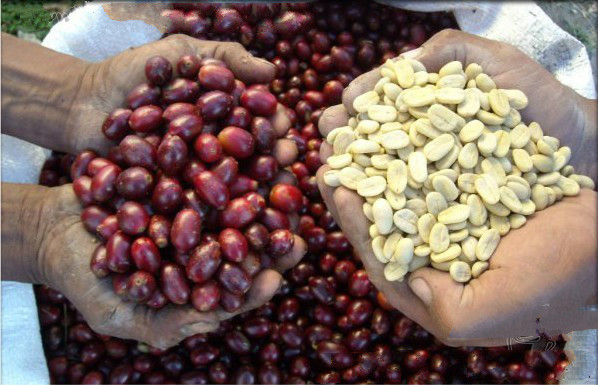
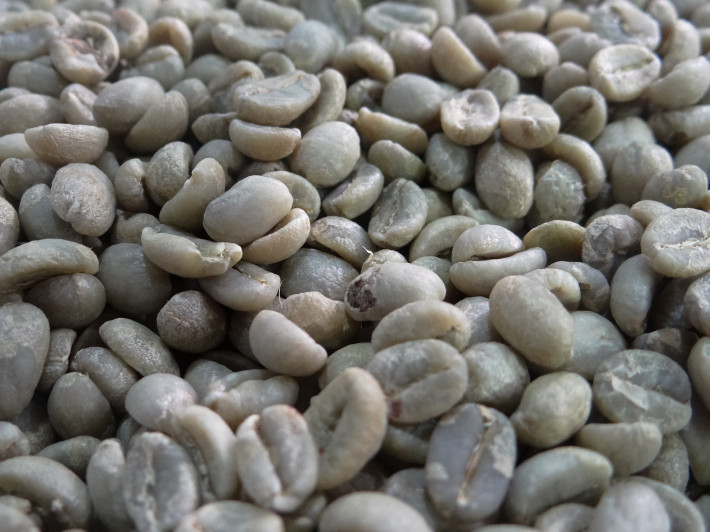
- Washed (35% of exports): Carefully handpicked ripe cherries are depulped the same day, fermented, washed, and dried to 12% moisture.
- Natural/Dry (65% of exports): Cherries are sun-dried on raised beds or cement floors until 11.5% moisture, then hulled.
Ethiopian Coffee Grades & Quality Control
Ethiopia’s coffee quality system involves local, regional, and national checks. Every lot is inspected before leaving origin and again in Addis Ababa or Dire Dawa. Grading is based on visual and cup quality factors: bean cleanliness, color, origin, taste, and distinctiveness.
The export grading uses simple numbers: 5 is the highest for washed, 4 for natural. Grades help define market value and ensure consistency. All coffee must be sold through auctions in Addis Ababa and Dire Dawa, sometimes twice daily during peak season. Payment is usually via letter of credit to reduce risk for both buyer and seller.
Major Ethiopian Coffee Regions & Flavor Profiles
Different Ethiopian regions produce notably different flavors due to elevation, climate, and processing. Here are the most renowned:
- Yirgacheffe (1,700–2,100m): Known for floral notes, citrus, and tea-like brightness. Annual production ~37,000 tons.
- Sidamo (1,400–2,200m): Balanced acidity, fruity and citrusy. Annual production ~37,000 tons.
- Harrar (2,700m+): Bold, exotic, with dry fruit and winey tones. Considered the best Ethiopian “mocha” coffee. Annual production ~26,000 tons.
- Limu (1,400–2,000m): Washed, nutty, wine-like acidity. Annual production ~29,000 tons.
- Djimma (Jimma) (1,400–1,800m): Natural process, mild acidity, long-lasting nuttiness. Annual production ~70,000 tons.
- Gumma/Gomma (possibly referenced as ''): Fruity, “gourmet-level,” balanced acidity. Annual production ~34,000 tons.
- Yergacheffe (Yirgacheffe): Floral and spicy. Annual production ~28,000 tons.
These regions form the backbone of Ethiopia’s global reputation for high-quality, distinctive coffees. Many are used as benchmarks in specialty roasting.
Export Market & Pricing
Coffee is Ethiopia’s top export crop and a major foreign exchange earner, making up around 35% of earnings today (down from over 50% historically). Annual production reached 127,000 tons by 2002–2003 and has remained significant despite price fluctuations.
From 2001 to 2004, international prices rose from $0.41 to $0.608 per pound, improving export revenues. Major markets include the United States, Italy, UK, Sweden, Norway, Greece, France, Belgium, Germany, and Australia.
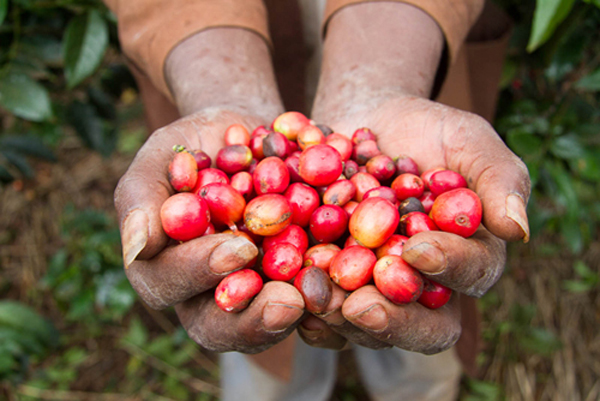
Domestically, Ethiopians consume about 42.3% of production—around 3kg per capita—making it one of the few coffee-producing nations with such high internal use.
Today, nearly 90% of Ethiopian coffee exports are handled by private traders, a shift from the state-controlled system prior to 1991.
How Much Does Ethiopian Coffee Cost?
Ethiopian coffee wholesale prices vary by grade and region. Recent examples include:
- Yirgacheffe G1, Idido or Gedio, Natural: $1.90–$2.13 per 150g (≈$8.40–$9.47 per 1lb)
- Yirgacheffe G1, Ayirate or Adado, Natural: $1.90–$2.53 per 150g (≈$8.40–$11.22 per 1lb)
- Yirgacheffe G2, Damas, Washed: $1.25–$1.50 per 150g (≈$5.56–$6.67 per 1lb)
- Yirgacheffe G2, Kochere, Washed: $1.15–$1.30 per 150g (≈$5.11–$5.78 per 1lb)
- Sidamo G1, Guji, Natural: $1.32–$1.58 per 150g (≈$5.87–$7.02 per 1lb)
- Sidamo G2, Sidamo, Washed: $1.15–$1.30 per 150g (≈$5.11–$5.78 per 1lb)
(Note: Prices listed in the original article are converted from RMB to USD per pound approximations and reflect specialty green bean costs, not roasted retail prices. Prices are approximate based on 150g pack conversions to per-pound equivalents.)
At farm gate or auction level, washed grades range from grade 3 ($0.41/lb range) to 5, while natural grades top out at 4. Export pricing reflects both grade and cup profile.
Frequently Asked Questions
What is the most famous Ethiopian coffee region?
Yirgacheffe is arguably the most famous Ethiopian coffee region, known for its bright acidity, floral notes, and citrus tones. It was officially separated from Sidamo in 2010 due to its unique cup profile. Harrar is also iconic for its bold, wine-like natural processed beans.
What are the main types of Ethiopian coffee processing?
Ethiopian coffee is mainly processed in two ways: washed (wet) and natural (dry). Washed coffees (35% of exports) are cleaned and fermented before drying, leading to cleaner, brighter flavors. Natural coffees (65% of exports) are sun-dried with the cherry on, producing fruity, winey, and bold profiles.
How much coffee does Ethiopia export each year?
Ethiopia exports between 110,000 and 127,000 metric tons of coffee annually, making it the world’s eighth-largest exporter. Coffee makes up around 35% of the country’s foreign exchange income.
What is the coffee grading system in Ethiopia?
Ethiopia grades coffee mostly by appearance and cup quality. Washed grades range from 3 to 5 (with 5 being the best), and natural grades range from 2 to 4. Grading ensures consistency and helps set export value.
Where can I buy Ethiopian coffee beans?
Ethiopian coffee is available through specialty importers, exporters, and roasters worldwide. In China, roasters like FrontStreet Coffee offer single-origin Ethiopian beans with detailed flavor notes and traceable origins.
How much does Ethiopian coffee cost per pound?
Wholesale prices for Ethiopian green coffee range approximately from $0.41 to $0.61 per pound at origin, depending on grade and market trends. Retail prices for roasted beans vary widely based on brand, roast level, and processing.
Recommended FrontStreet Coffee Beans from Ethiopia
For a true taste of Ethiopia, start with FrontStreet Coffee’s Yirgacheffe offerings. The Yirgacheffe G1 (Idido or Gedio) Natural features blueberry, honey, citrus, and floral notes, while the Yirgacheffe G1 (Ayirate or Adado) Natural brings vibrant tropical and berry flavors. For washed profiles, try the Yirgacheffe G2 (Damas) with lemon peel, tea, and stone fruit, or the Yirgacheffe G2 (Kochere) with jasmine, citrus, and honey. Each highlights Ethiopia’s signature brightness and complexity. Freshly roasted within 5 days · Orders placed before 17:00 ship the same day · Next-day delivery across most of Guangdong Province.
FrontStreet Coffee is a long-established specialty coffee roaster in Guangzhou China, selling freshly roasted beans from its own farm in Yunnan as well as dozens of carefully selected single-origin beans from around the world for both pour-over and espresso. The products deliver consistently excellent quality and great value, with shipping within 24 hours. Guangzhou's FrontStreet Coffee shop is recommended by many coffee lovers, and the beans are now available online at the Tmall 。
Important Notice :
前街咖啡 FrontStreet Coffee has moved to new addredd:
FrontStreet Coffee Address: 315,Donghua East Road,GuangZhou
Tel:020 38364473