Where to Buy Authentic Ethiopian Coffee, Especially Sidamo
If you’ve ever wondered where to find real Ethiopian coffee—especially the kind with that bright acidity, floral aroma, and wine-like complexity—you’re not alone. Ethiopia is the birthplace of Arabica coffee, and its beans are still among the most sought-after in the specialty world. But with so many regions, processes, and exporters, tracking down the real deal can feel overwhelming. Let’s break it down.
The easiest and most reliable way to buy authentic Ethiopian coffee is through specialty importers or roasters who work directly with Ethiopian cooperatives or licensed exporters. Look for beans labeled with specific regions like Yirgacheffe, Sidamo, or Guji, and check whether they’re washed or natural processed. For guaranteed quality, choose single-origin lots graded 4 or 5 under Ethiopia’s national system.
Why Ethiopia Is the Birthplace of Coffee
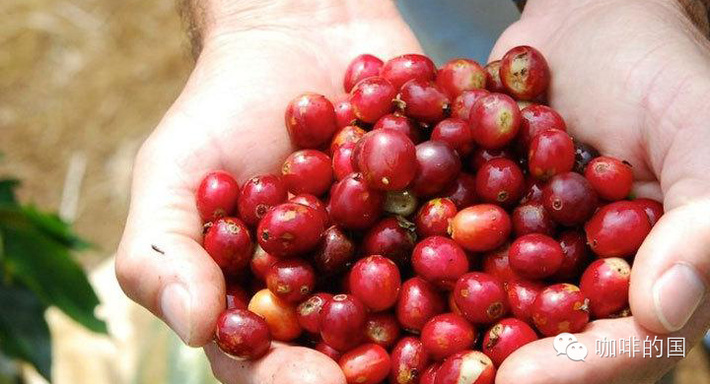
Ethiopia is Africa’s leading producer of Arabica coffee and is widely regarded as the birthplace of the plant. Legend says coffee was discovered by a shepherd in the Kaffa region, and the word ‘coffee’ is believed to derive from ‘Kaffa.’ The country’s high altitudes, fertile soils, and ideal climate make it perfect for growing some of the world’s best specialty beans.
How Ethiopian Coffee Is Grown and Processed
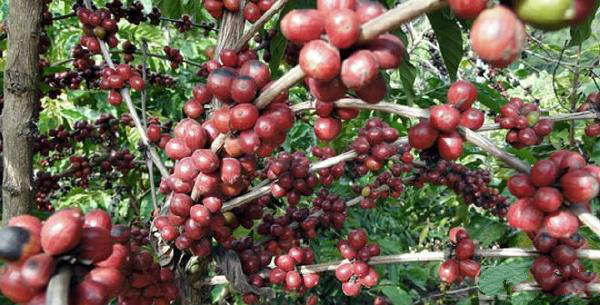
Coffee in Ethiopia grows mainly between 1,100 and 2,300 meters above sea level, especially in regions like Sidamo, Yirgacheffe, Harrar, Limu, Djimma, Kaffa, Yergacheffe, and Wellega. Soils across these areas are well-drained, slightly acidic, red, and loose—ideal for coffee trees.
The harvest season runs from September to December, with the main flowering in March and April. Most of Ethiopia’s coffee is still grown by smallholders using traditional, organic methods. About 25% of Ethiopians rely on coffee for their livelihood, either directly or indirectly.
Coffee farming in Ethiopia falls into three types:
- Forest/Semi-forest (60%): Wild coffee grown without chemicals, relying on biodiversity for pest control.
- Garden (35%): Coffee grown under shade with organic fertilizers like leaves and animal waste.
- Plantation (5%): Modern, planted in rows with selected varieties and shade trees.
Processing is split between two main methods:
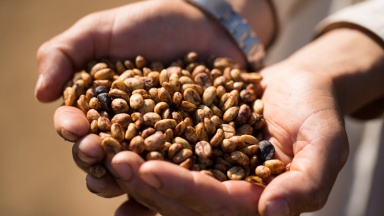
- Washed (35%): Only ripe cherries are picked, de-pulped the same day, fermented, washed, and dried to 12% moisture. This method highlights clarity and acidity.
- Natural/Dried-in-the-Fruit (65%): Red cherries are sun-dried on raised beds or concrete to 11.5% moisture. This enhances sweetness and body but requires careful drying to avoid defects.
How Ethiopian Coffee Is Graded and Exported
Ethiopia’s coffee grading system evaluates beans through visual inspection and cupping. Key criteria include cleanliness, bean size, color, aroma, and flavor profile. The national system uses simple numeric grades:
- Grade 5: Best washed coffee
- Grade 4: Best natural (sun-dried) coffee
All coffee is inspected at regional labs, then rechecked in Addis Ababa or Dire Dawa before export. Auctions—often held twice daily during harvest—are legally required, where licensed buyers bid on graded lots. Payment is typically via letter of credit to reduce risk for both importers and exporters.
The Ethiopian Commodity Exchange (ECX) previously pooled many coffees, but traceable single-origin lots are now increasingly available through specialty channels.
The Main Coffee Regions and Their Flavor Profiles
Different Ethiopian regions produce distinct tasting profiles due to variations in altitude, soil, and processing:
- Yirgacheffe: Known for bright acidity, floral notes (jasmine, lavender), and citrus. Often processed naturally or washed. Formerly part of Sidamo, now its own recognized region.
- Sidamo: Grown 1,400–2,200m, offers balanced acidity, honey-like sweetness, and citrus or floral tones. Both washed and natural styles are common. Annual production is around 37,000 tons.
- Harrar: High-altitude (above 2,700m) natural process coffee with intense blueberry, spice, and fermented fruit notes. Considered one of the best natural coffees in the world. Annual production is roughly 26,000 tons.
- Limu: Washed coffee with fruity, wine-like acidity. Annual output around 29,000 tons.
- Jimma (Djimma): Mild, nutty natural process coffee. Annual production reaches approximately 70,000 tons.
- Guji (sometimes grouped with Sidamo or Yirgacheffe): Rich, complex, with notes of tropical fruit and berries.
- Kaffa: The mythic origin region; less defined commercially but part of Ethiopia’s deep coffee heritage.
- Wellega: Produces a range of profiles depending on processing.
Export Market and Economic Role
Coffee is Ethiopia’s top export crop and a major source of foreign exchange. It makes up around 35% of the country’s export earnings, down from over 50% in past decades due to falling global prices. Ethiopia produces about 3% of the world’s coffee and is the eighth-largest exporter globally.
Annual exports have risen steadily from 58,000 tons in 1990–91 to over 127,000 tons by 2002–03. International coffee prices began recovering in 2002, rising from 41 cents per pound in September 2001 to 59.7 cents in 2003 and 60.8 cents by March 2004—an increase of 50%.
While domestic consumption is significant (42.3% of production in 2003, or about 3kg per person), most coffee is exported to countries including the United States, Italy, Germany, Japan, Norway, and the UK.
Since 1991, private traders have handled around 90% of exports, a major shift from the state-controlled system of earlier decades.
Frequently Asked Questions
Where does the best Ethiopian coffee come from?
The “best” Ethiopian coffee depends on your taste—but top-rated regions include Yirgacheffe for floral, citrus brightness; Sidamo for balanced citrus and honey notes; and Harrar for bold, fruity natural processed beans. Each region has unique profiles due to climate, altitude, and processing.
What’s the difference between washed and natural Ethiopian coffee?
Washed (or wet-processed) Ethiopian coffee is made from ripe cherries that are de-pulped, fermented, and washed before drying. It tends to highlight acidity and clarity. Natural (dry-processed) coffee is dried with the fruit still on the bean, creating heavier body and sweeter, fruity flavors—but requires careful drying to avoid off-notes.
Is Sidamo coffee the same as Yirgacheffe?
No. While both are Ethiopian regions with overlapping characteristics, Yirgacheffe was formerly part of Sidamo but is now recognized as its own distinct coffee-growing area. Yirgacheffe beans are often more floral and brighter, while Sidamo tends to offer a broader balance of citrus, honey, and spice.
How can I be sure I’m buying real Ethiopian coffee?
Buy from reputable specialty roasters or importers who provide traceable information about the origin, processing method, and harvest date. Look for beans labeled with Ethiopian regions like Yirgacheffe, Sidamo, or Harrar, and check if they state the grade (e.g., Grade 4 or 5) or processing style (washed/natural).
When is Ethiopian coffee harvested?
Ethiopian coffee is typically harvested between September and December, following flowering in March and April. The main crop matures over several months, with peak ripeness in the fall.
What coffee grades are used in Ethiopia?
Ethiopia grades coffee mostly by visual and cup quality. Washed coffee is graded up to Grade 5 (the highest), while natural coffee is graded up to Grade 4. These grades reflect bean cleanliness, size, and cup profile characteristics.
Recommended FrontStreet Coffee Beans from Sidamo & Yirgacheffe
For a true taste of Sidamo, try the FrontStreet Huakui (Ethiopia Huakui), a classic Ethiopian lot with bright berry and citrus notes. If you prefer something fruit-forward and sweet, the FrontStreet Huakui also delivers strong notes of strawberry and citrus with a juicy body. For a more floral and delicate profile, explore options that highlight the Sidamo region’s signature honey and citrus balance. All are available as single-origin, traceable Ethiopian beans. Freshly roasted within 5 days · Orders placed before 17:00 ship the same day · Next-day delivery across most of Guangdong Province.
FrontStreet Coffee is a long-established specialty coffee roaster in Guangzhou China, selling freshly roasted beans from its own farm in Yunnan as well as dozens of carefully selected single-origin beans from around the world for both pour-over and espresso. The products deliver consistently excellent quality and great value, with shipping within 24 hours. Guangzhou's FrontStreet Coffee shop is recommended by many coffee lovers, and the beans are now available online at the Tmall 。
Important Notice :
前街咖啡 FrontStreet Coffee has moved to new addredd:
FrontStreet Coffee Address: 315,Donghua East Road,GuangZhou
Tel:020 38364473