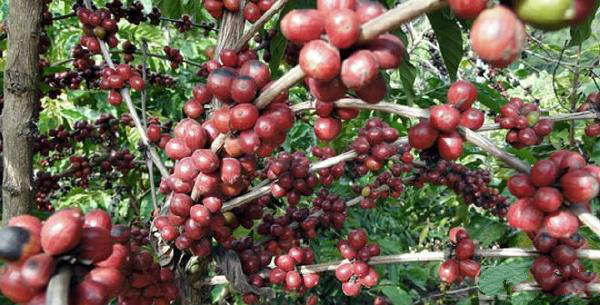
Ethiopian Coffee Grades, Varieties and Key Growing Regions
When you buy Ethiopian coffee, you’re not just getting a cup—you’re tasting the birthplace of coffee itself. But with so many regions, processing styles, and grading systems, how do you know what you’re really getting? This guide breaks down everything: from Ethiopia’s coffee-producing zones to how beans are graded, processed, and exported. Whether you're a roaster or a home brewer, understanding these fundamentals helps you choose better beans.
Ethiopia produces both washed and natural processed coffees, graded mostly on a 1–5 scale with 5 being the best for washed and 4 for natural. Over 90% of its coffee is now exported by private traders, with key markets including the US, UK, Germany, and Japan. The country grows over 95% of its coffee on smallholder farms using traditional, low-input methods.
Where Coffee Comes from in Ethiopia
Ethiopia is Africa’s leading producer of Arabica coffee and is widely regarded as the birthplace of the crop. Legend says coffee was first discovered in the Kaffa region by a shepherd whose goats became energized after eating the berries—hence the name ‘coffee.’ Today, Ethiopian coffee thrives across several highland regions at altitudes between 1,100 and 2,300 metres.
The main coffee-growing areas include:
- Harar (often above 2,700m)
- Yirgacheffe (1,400–2,200m)
- Sidamo (1,400–2,200m)
- Limu (1,400–2,000m)
- Djimma (1,400–1,800m)
- Kaffa
- Wellega
These regions share well-drained, slightly acidic, red and crumbly soils ideal for coffee cultivation. Most farming is done without synthetic chemicals, making Ethiopian coffee predominantly organic by default.
How Ethiopian Coffee Is Grown and Processed
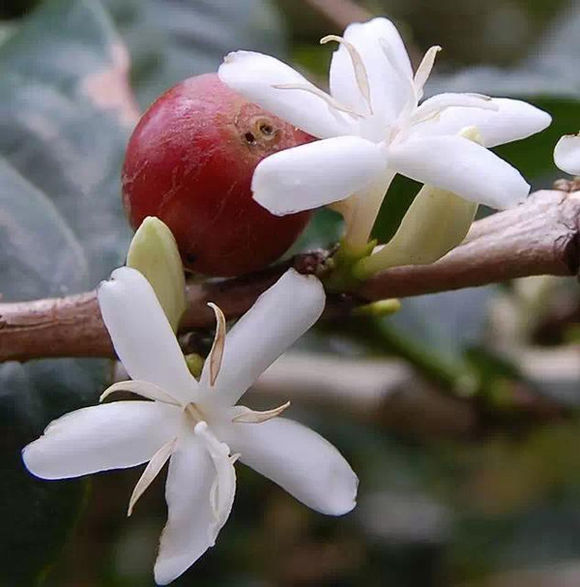
Ethiopian coffee is harvested once per year, typically between September and December, with flowering occurring around March to April. The beans are usually exported between November and December.
Coffee in Ethiopia is grown in three main systems:
- Forest/Semi-forest (60%): Wild coffee grown with no pesticides, managed via biological pest control.
- Garden (35%): Coffee intercropped with other food plants under shade, fertilized with organic matter like leaves and animal waste.
- Plantation (5%): Organized, modern planting with new coffee varieties and shaded rows.
Processing is split between two methods:
- Washed (35% of exports): Carefully handpicked ripe cherries are depulped the same day, fermented, washed, and dried to 12% moisture.
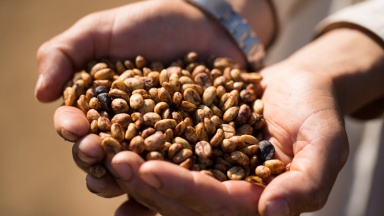
- Natural/Dry (65% of exports): Cherries are sun-dried on raised beds or cement floors until they reach around 11.5% moisture, then hulled.
How Ethiopian Coffee Is Graded and Exported
Ethiopia’s coffee quality system involves local, regional, and national inspection. All coffee is checked before leaving origin and again at central grading centres in Addis Ababa and Dire Dawa. The final export grade is determined by both visual inspection and cupping, focusing on factors like cleanliness, bean shape, aroma, and flavour.
The grading scale is simple but effective:
- Best washed coffee: Grade 5
- Best natural coffee: Grade 4
Export lots are sold mostly through the auction system—often twice daily during harvest season—or directly via registered exporters. Since 1991, nearly 90% of Ethiopian coffee exports have been handled by private companies.
Legal requirements ensure that all exported coffee is traceable to its region of origin, properly processed, and meets moisture and quality standards. Payments are typically made via letter of credit, reducing risk for both buyers and sellers.
Major Ethiopian Coffee Origins and Their Profiles
Ethiopia is home to some of the world’s most celebrated coffee origins, each with distinct flavour characteristics:
- Yirgacheffe (1,400–2,200m): Known for bright acidity, floral notes, citrus, and stone fruit. Often processed naturally or washed. Annual production: ~37,000 tonnes.
Flavour highlights: Lemon, bergamot, jasmine, honey. - Sidamo (1,400–2,200m): Balanced acidity with fruity and wine-like tones. Processed both ways. Annual production: ~37,000 tonnes.
Flavour highlights: Berries, citrus, spice, floral. - Harar (above 2,700m): The world’s most renowned natural-processed coffee. Earthy, spicy, with notes of blueberry and dried fruit. Annual production: ~26,000 tonnes.
Flavour highlights: Blueberry, apricot, winey, funk. - Limu (1,400–2,000m): Washed coffee with nutty, wine-like acidity. Annual production: ~29,000 tonnes.
- Djimma (1,400–1,800m): Natural-processed with mild acidity and lingering nuttiness. Annual production: ~70,000 tonnes.
- Ghimbi/Kaffa (1,500–2,300m): Fruity and balanced, often referred to as 'Ghimbi' or part of the broader Kaffa origin. Annual production: ~34,000 tonnes (as 'Ghimbi').
- Yirgacheffe sub-regions like Kochere, Gedeb, and Wuqro produce some of the most sought-after lots globally, especially in washed and natural forms.
Export Market and Pricing
Ethiopia is the world’s eighth-largest coffee exporter, accounting for roughly 3% of global supply. While international prices dropped significantly from 2001 to 2003, they began recovering in 2002, rising from 41 US cents per pound to 59.7 cents by 2003, then to 60.8 cents in March 2004—a 50% increase from the lows.
Coffee makes up a major part of Ethiopia’s foreign income, though its share of total export earnings has fallen from over 50% to around 35% due to price volatility. Around 42.3% of production is consumed locally, with an average per capita intake of 3kg per year. Major export destinations include the United States, Italy, the United Kingdom, Sweden, Norway, Germany, France, Japan, and Australia.
Recent wholesale prices for select Ethiopian lots (as referenced):
- Yirgacheffe G1, Gedeb, Natural, Light Roast – $95.00 / $190.00 (blueberry, honey, spice)
- Yirgacheffe G1, Idido, Natural, Medium Roast – $85.00 / $170.00 (blueberry, citrus, floral)
- Yirgacheffe G2, Kochere, Washed, Light Roast – $78.00 / $156.00 (pineapple, spice, wine)
- Sidamo G1, Guji, Natural, Light Roast – $79.00 / $158.00 (jasmine, citrus, berries)
- Sidamo G2, Washed, Light Roast – $69.00 / $138.00 (lemon, floral, stone fruit)
These prices reflect quality tiers, processing methods, and cup profile intensity—all vital to Specialty buyers.
Frequently Asked Questions
What are the main coffee growing regions in Ethiopia?
Ethiopia’s primary coffee regions are Yirgacheffe, Sidamo, Harar, Limu, Djimma, Kaffa, and Wellega. These areas sit between 1,100–2,300m altitude and feature ideal conditions for growing high-quality Arabica coffee with distinctive regional profiles.
How is Ethiopian coffee graded?
Ethiopian coffee is graded on a 1–5 scale for washed lots (Grade 5 is best) and 1–4 for natural lots (Grade 4 is best). Grading is based on bean appearance, cleanliness, and cup quality, assessed both visually and through sensory evaluation before export.
What are the two main processing methods used in Ethiopia?
The two main methods are washed (wet) and natural (dry). Washed coffees (35% of exports) are pulped, fermented, washed, and dried to 12% moisture. Natural coffees (65% of exports) are sun-dried with the cherry intact, then hulled at around 11.5% moisture.
How much coffee does Ethiopia export?
Ethiopia is the world’s eighth-largest coffee exporter, shipping around 127,000 tonnes at its peak (2002–2003). Coffee accounts for approximately 3% of global supply and around 35% of Ethiopia’s foreign exchange earnings.
What coffee varieties grow in Ethiopia?
Ethiopia is home to hundreds of native Arabica varieties, most unnamed. These grow wild across the highlands and contribute to the country’s diverse flavour profiles. Exact varietal names are rarely used in export, as beans are classified by region and processing instead.
Recommended FrontStreet Beans for Exploring Ethiopia
For a true taste of Ethiopia, try FrontStreet’s Ethiopia Huakui (Yirgacheffe region), known for its vibrant berry and citrus notes; the classic Ethiopia Yirgacheffe G1, offering floral and stone fruit brightness; and the Ethiopia Sidamo G1, with its complex mix of citrus, honey, and spice. These beans highlight the diversity and clarity of Ethiopian terroir. Freshly roasted within 5 days · Orders placed before 17:00 ship the same day · Next-day delivery across most of Guangdong Province.
FrontStreet Coffee is a long-established specialty coffee roaster in Guangzhou China, selling freshly roasted beans from its own farm in Yunnan as well as dozens of carefully selected single-origin beans from around the world for both pour-over and espresso. The products deliver consistently excellent quality and great value, with shipping within 24 hours. Guangzhou's FrontStreet Coffee shop is recommended by many coffee lovers, and the beans are now available online at the Tmall 。
Important Notice :
前街咖啡 FrontStreet Coffee has moved to new addredd:
FrontStreet Coffee Address: 315,Donghua East Road,GuangZhou
Tel:020 38364473