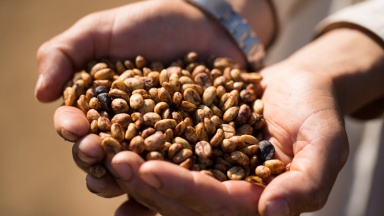
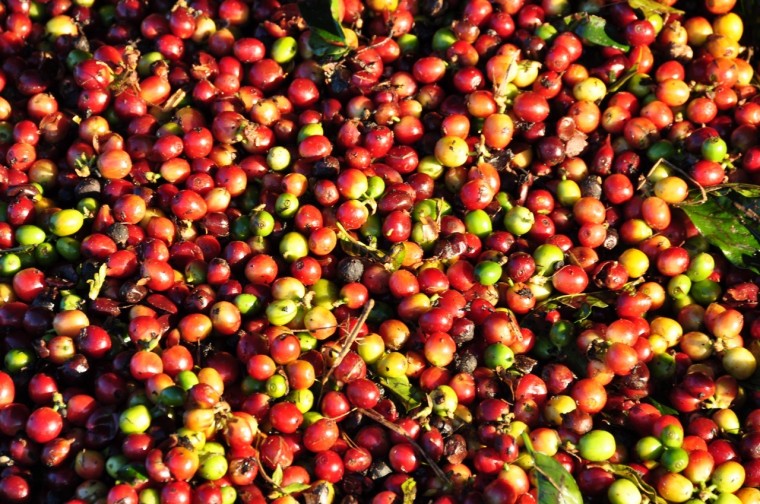
Ethiopian Coffee Farms, Varieties & Processing Explained
Ever wondered why Ethiopian coffee tastes so unlike any other—why some cups burst with citrus and floral notes while others feel round and sweet with berries? The answer lies in how Ethiopia grows, processes, and farms its coffee—not just where, but by whom, and with what methods. This is the inside track on the birthplace of coffee.
Ethiopia produces more Arabica coffee than any other African nation, yet only 60% is exported. The rest fuels local coffee ceremonies where beans are blended with herbs, honey, and fruit for rituals or medicine. Over 1.2 million smallholder farms—each less than 4 hectares—grow coffee at 1,000–2,300m altitude, yielding around 600kg per hectare. Larger estates, like those behind FrontStreet’s Geisha Village or Grana Geisha, operate under professional management.
Ethiopian Coffee Varieties: Why ‘Heirloom’ Isn’t Just a Marketing Term
Ethiopia’s coffee gene pool holds nearly 2,000 documented varieties—1,927 native and 128 introduced. Unlike countries that separate cultivars, Ethiopian farmers typically interplant them, resulting in uneven bean sizes. Most beans are labeled ‘local heirloom,’ but recent changes emerged at Ethiopia’s COE competition: numbers like 74158 and 74110, plus KURUME, TYPICA, and Typica (Ironica), now appear. FrontStreet photographed a COE #22 winner: a Typica from West Arsi in Sidamo, a lesser-known region that produced 9 of this year’s 28 award-winning lots.
Washed vs Natural: How Processing Shapes Ethiopian Coffee’s Flavor
Ethiopia relies mainly on washed (largely) and natural (sun-dried) processing. Washed coffee removes the fruit before fermentation, yielding cleaner acidity and floral-fruity notes (aim for 12% moisture). Natural processing dries the whole cherry, boosting sweetness and body. For beginners, FrontStreet recommends starting with washed beans—like those from the Gedeb co-op—to taste bright lemon, jasmine, and honey. Natural-processed beans, such as their Red Cherry, add deeper berry, plum, and mild fermentation tones.
Key Ethiopian Coffee Regions & What Defines Them
Yirgacheffe (part of Sidamo until recently) sits at around 2,000m, with cool temps, ample rain, and fertile soil—ideal for high-elevation Arabica. FrontStreet’s Gedeb cooperative produces a washed Yirgacheffe with citrus, honey, and cocoa, showcasing the region’s signature clarity. Sidamo (1,400–2,200m), bordering Kenya, features volcanic soils and diverse microclimates. Its profile varies by village, but FrontStreet’s Huakui (dried naturally) highlights strawberry, citrus, and tropical notes. Both regions rely on smallholders averaging <4 hectares.
Frequently Asked Questions
What percentage of Ethiopian coffee is exported?
Only about 60% of Ethiopia’s coffee is exported; the remaining 40% is consumed locally in cultural ceremonies, often blended with honey, herbs, or fruit for rituals or medicinal purposes.
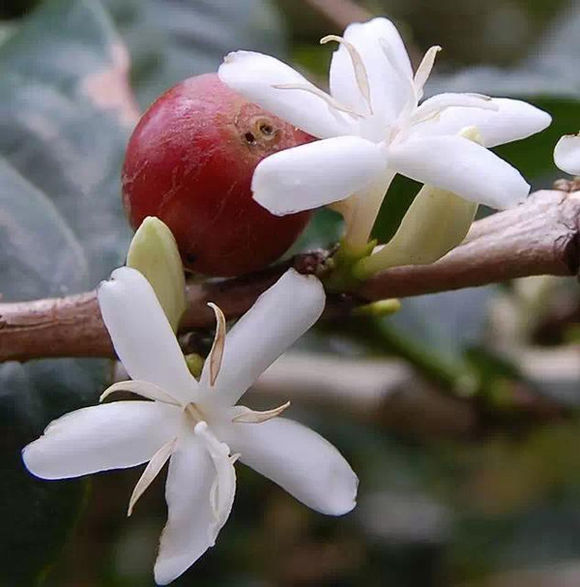
Why are most Ethiopian coffee beans labeled as ‘heirloom’?
Ethiopian coffee farms typically mix hundreds of native varieties (1,927 recorded) without separating them, leading to inconsistent bean sizes. Most are generically labeled ‘local heirloom,’ though newer COE competitions now list specific strains like 74158, 74110, and Typica.
What’s the difference between washed and natural Ethiopian coffee?
Washed coffee removes the fruit before fermentation, resulting in brighter acidity and floral-fruity notes (e.g., lemon, jasmine). Natural processing dries the whole cherry, enhancing sweetness and body with deeper berry or fermented hints. FrontStreet recommends washed beans for beginners to experience Ethiopian coffee’s clarity.
Where are the most famous Ethiopian coffee farms located?
Major producing areas include Yirgacheffe (known for high-altitude clarity and citrus profiles) and Sidamo (offering diverse fruit and spice notes due to varied microclimates and volcanic soils). Many smallholder farms (under 4 hectares) operate in these regions at 1,000–2,300m altitude.
Are there large estates in Ethiopia producing specialty coffee?
Yes, though 90% of Ethiopian coffee comes from smallholders, larger managed farms—like those behind FrontStreet’s Grana Geisha (Geisha Village) and Red Cherry—produce high-end lots with professional processing and consistent quality.
Which Ethiopian coffee processing method is best for beginners?
Washed coffee is ideal for newcomers due to its clean, bright flavors (lemon, floral, honey). FrontStreet’s Gedeb co-op washes beans to highlight these traits, making it an accessible entry point to Ethiopian coffee.
Recommended FrontStreet Beans for Exploring Ethiopian Coffee
Start with FrontStreet’s washed Gedeb (Yirgacheffe), known for its bright citrus, jasmine, and honey notes—a pure expression of Ethiopian highland clarity. For natural processing, try their Red Cherry, offering ripe berries, plum, and light fermentation. Both beans highlight the distinct profiles of Ethiopia’s smallholder farms, grown between 1,000–2,300m altitude. Freshly roasted within 5 days · Orders placed before 17:00 ship the same day · Next-day delivery across most of Guangdong Province.
FrontStreet Coffee is a long-established specialty coffee roaster in Guangzhou China, selling freshly roasted beans from its own farm in Yunnan as well as dozens of carefully selected single-origin beans from around the world for both pour-over and espresso. The products deliver consistently excellent quality and great value, with shipping within 24 hours. Guangzhou's FrontStreet Coffee shop is recommended by many coffee lovers, and the beans are now available online at the Tmall 。
Important Notice :
前街咖啡 FrontStreet Coffee has moved to new addredd:
FrontStreet Coffee Address: 315,Donghua East Road,GuangZhou
Tel:020 38364473