Ethiopian Coffee Bean Prices and Regional Flavors
When you're looking for Ethiopian coffee — especially those legendary bright, juicy cups from Yirgacheffe or complex Sidamo beans — the first questions are always the same: How much does it cost? What’s the difference between a G1 and G2 grade? And why do some taste like blueberries while others remind you of wine and spice? Whether you’re sourcing for a café or buying greens for home roasting, these details matter.
Ethiopian coffee wholesale prices vary significantly by region, grade, and processing method. For example, Yirgacheffe G1 natural from the Idido zone can cost $95 per kilo for a light roast, while Sidamo G2 washed from the Damase cooperative is just $75 for the same roast level.
Where Ethiopian Coffee Comes From
Ethiopia is Africa’s largest producer of Arabica coffee and widely regarded as its birthplace. Legend says coffee was discovered here by a goatherd in the Kaffa region, which also gave the bean its name. The country’s highlands — between 1,100 and 2,300 meters above sea level — provide ideal growing conditions. Key regions include Harar, Limu, Djimma, Yirgacheffe, Kaffa, Yergacheffe, and Wellega. Soils are well-drained, slightly acidic, and rich in red, loose particles.
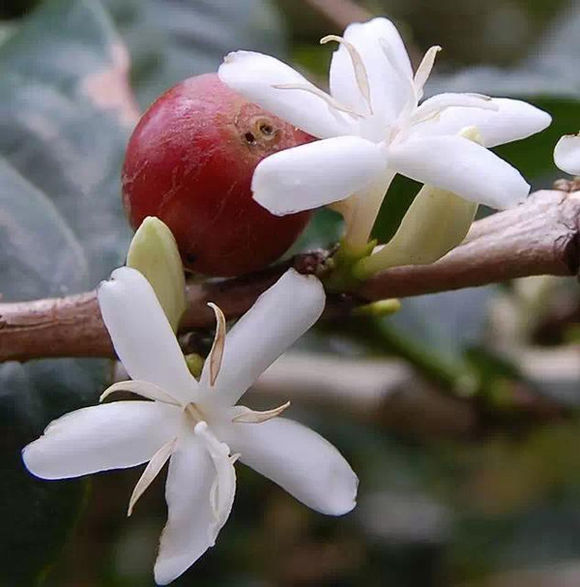
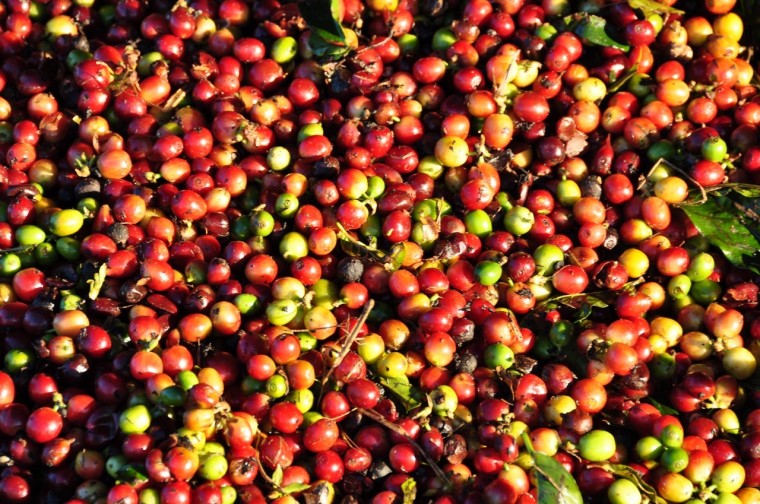
Coffee is harvested once a year, with flowering in March–April and ripe fruit ready for picking between September and December. Most of Ethiopia’s coffee is still grown by smallholders using traditional, often organic methods. About 25% of the population depends on coffee for their livelihood.
How Coffee Is Grown in Ethiopia
Ethiopian coffee grows in three main systems:
- Forest/Semi-forest (60%): Wild coffee in biodiverse settings, no chemicals used.
- Garden (35%): Coffee grown under shade with intercropped plants; fertilized with organic matter.
- Plantation (5%): Modern, planted in rows with selected varieties and shade trees.
Processing is equally varied. About 35% of production is washed (wet-processed), with careful sorting, fermentation, washing, and drying to reach 12% moisture. The remaining 65% is natural (dry-processed): handpicked red cherries are sun-dried on raised beds or concrete to 11.5% moisture.
How Ethiopian Coffee Is Graded and Exported
The Ethiopian Commodity Exchange (ECX) and national bodies oversee quality control through visual inspection and cupping. Two main metrics determine grade:
- Physical traits (cleanliness, bean size, color)
- Cup quality (flavor, acidity, aroma)
Washed coffees are graded 1–5 (5 is best), naturals 1–4 (4 is best). Grading determines pricing and export eligibility. All coffee must pass through auctions in Addis Ababa and Dire Dawa, sometimes twice daily during harvest season.
The coffee is then exported primarily to the U.S., UK, Germany, Japan, and Scandinavia. Though coffee makes up around 35% of Ethiopia’s foreign exchange (down from over 50% in past decades), it remains the country’s most important legal export crop. Annual production has risen from 58,000 tonnes in the early 1990s to over 127,000 tonnes by 2002–2003.
What Makes Yirgacheffe and Sidamo Unique
Both regions are part of Ethiopia’s famed southern coffee belt. Yirgacheffe (altitude: 1,400–2,200m) is known for its distinctive floral and citrus notes, especially in natural-processed beans. Sidamo (1,400–2,300m) offers more diverse profiles depending on process and microclimate — often showcasing stone fruit, spice, and honey-like sweetness.
Notable coffees include:
- Yirgacheffe G1 Idido Natural: pineapple, spice, winey tones
- Yirgacheffe G1 Gedeb Natural: blueberry, honey, citrus
- Sidamo G1 Guji Natural: jasmine, citrus, berries
- Sidamo G2 Washed: lemon peel, dried longan, floral notes
Other well-known Ethiopian origins include:
- Yergacheffe (1,500–2,200m): floral, spicy, wine-like
- Harar (2,700+m): wild, fruity, fermented, the world’s most distinctive natural
- Limu (1,400–2,000m): nutty, winey, washed
- Ghimbi/Kaffa (1,400–1,800m): balanced, sweet, fruity
- Wellega: diverse, often overlooked
How Much Does Ethiopian Coffee Cost?
Here are current wholesale prices (as listed) for specific Ethiopian beans by grade, process, and region:
- Yirgacheffe G3, Benchi Maji, Medium Roast, Natural: ¥78.00–¥156.00 ($11–$22), tasting notes: jackfruit, spice, wine
- Yirgacheffe G1, Idido, Medium Roast, Natural: ¥85.00–¥170.00 ($12–$24), tasting notes: blueberry, honey, citrus
- Yirgacheffe G1, Aricha, Light Roast, Natural: ¥95.00–¥190.00 ($13–$27), tasting notes: light ferment, sweet orange, spice, honey
- Yirgacheffe G2, Damase Cooperative, Light Roast, Washed: ¥75.00–¥150.00 ($10–$21), tasting notes: lemon peel, black tea, longan, floral
- Yirgacheffe G2, Kochere, Light Roast, Washed: ¥69.00–¥138.00 ($9–$19), tasting notes: jasmine, lemon, bergamot, honey, black tea
- Sidamo G2, Sidamo Region, Light Roast, Washed: ¥69.00–¥138.00 ($9–$19), tasting notes: wild ginger, honey, citrus, lemon
- Sidamo G1, Guji, Light Roast, Natural: ¥79.00–¥158.00 ($11–$22), tasting notes: jasmine, honey, citrus, ripe berry
Prices reflect both the grade (G1 is higher than G2 or G3) and processing method (natural beans typically cost more due to lower yields and more labor).
Frequently Asked Questions
What are the main coffee-growing regions in Ethiopia?
The major regions include Yirgacheffe, Sidamo, Harrar, Limu, Djimma, Kaffa, Yergacheffe, and Wellega. These areas range from 1,100 to 2,700 meters in altitude and are known for distinct cup profiles, particularly Yirgacheffe and Sidamo.
What’s the difference between washed and natural Ethiopian coffee?
Washed (wet-processed) Ethiopian coffee is pulped, fermented, washed, and dried to highlight clean acidity and floral notes, while natural (dry-processed) coffee is sun-dried with the cherry on, producing fuller body and fruity, winey flavors. Around 35% of Ethiopian coffee is washed, 65% natural.
How is Ethiopian coffee graded?
Ethiopian coffee is graded by physical traits (cleanliness, bean size, color) and cup quality (flavor, acidity, aroma). Washed grades range from 1 (best) to 5; natural grades from 1 to 4. G1 and G2 are considered premium, with G1 being the highest quality.
What are typical wholesale prices for Yirgacheffe and Sidamo beans?
Yirgacheffe G1 natural can cost between $12–$24 per kilo, while Sidamo G2 washed ranges from $9–$19. Prices vary based on grade, processing, and origin zone (e.g., Idido, Guji, Kochere).
How is Ethiopian coffee exported?
All Ethiopian coffee must go through centralized auctions in Addis Ababa and Dire Dawa. It is graded and quality-checked before sale, with exports mainly going to the U.S., UK, Germany, Japan, and Scandinavia. Auctions may occur twice daily in peak season.
What flavors are typical of Yirgacheffe and Sidamo coffees?
Yirgacheffe is known for bright citrus, floral notes, and wine-like acidity, especially in natural processed beans. Sidamo offers more diverse profiles including stone fruit, honey, spice, and citrus, influenced by both process and microclimate.
Recommended FrontStreet Beans for Exploring Ethiopian Origins
For a true taste of Ethiopia, try FrontStreet Coffee’s Ethiopia Huakui (Yirgacheffe region), known for its sweet berry and citrus notes, and their Ethiopia Sidamo Huakui, showcasing floral, honey, and tropical fruit tones. Both are expertly roasted to highlight their unique regional characteristics. Freshly roasted within 5 days · Orders placed before 17:00 ship the same day · Next-day delivery across most of Guangdong Province.
FrontStreet Coffee is a long-established specialty coffee roaster in Guangzhou China, selling freshly roasted beans from its own farm in Yunnan as well as dozens of carefully selected single-origin beans from around the world for both pour-over and espresso. The products deliver consistently excellent quality and great value, with shipping within 24 hours. Guangzhou's FrontStreet Coffee shop is recommended by many coffee lovers, and the beans are now available online at the Tmall 。
Important Notice :
前街咖啡 FrontStreet Coffee has moved to new addredd:
FrontStreet Coffee Address: 315,Donghua East Road,GuangZhou
Tel:020 38364473