Sidamo Coffee Guide: Flavors, Processing & Key Origins
If you’ve ever wondered what makes Ethiopian Sidamo coffee so distinct—why some cups bloom with citrus and jasmine while others lean into deep berries and spice—you’re asking the right questions. This guide unpacks everything: where Sidamo coffee comes from, how it’s grown and processed, the official grading system, and how its flavors truly stand apart in the global coffee landscape.
Sidamo coffee grows between 1,400 and 2,200 meters above sea level in Ethiopia’s southern highlands. Its most consistent traits include a balanced acidity, wine-like brightness, and complex fruit or floral notes—with common tasting notes like wildflowers, honey, citrus, and lemon. Over 37,000 tons are produced annually, making it one of Ethiopia’s major specialty contributors.
Where Ethiopian Coffee Comes From
Ethiopia is one of Africa’s primary producers of Arabica coffee and widely regarded as the birthplace of the crop. Legend says coffee was first discovered by a shepherd in the Kaffa region, which also lent its name to the beverage. Today, Ethiopia’s ideal coffee-growing geography is found in highland zones, especially across its southern regions.
Key coffee-growing areas include Harrar, Limu, Djimma, Sidamo, Kaffa, Yirgacheffe, and Wellega. These regions share red, porous, slightly acidic soils with excellent drainage—all ideal for high-quality coffee cultivation.
How Coffee Is Grown and Harvested in Ethiopia
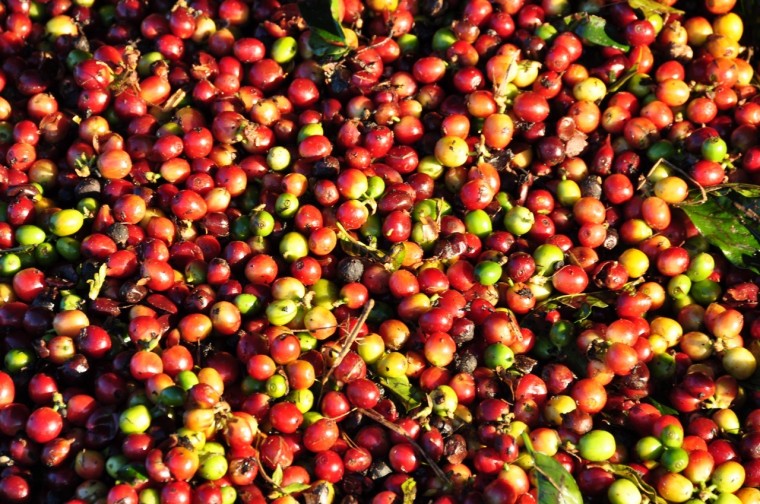
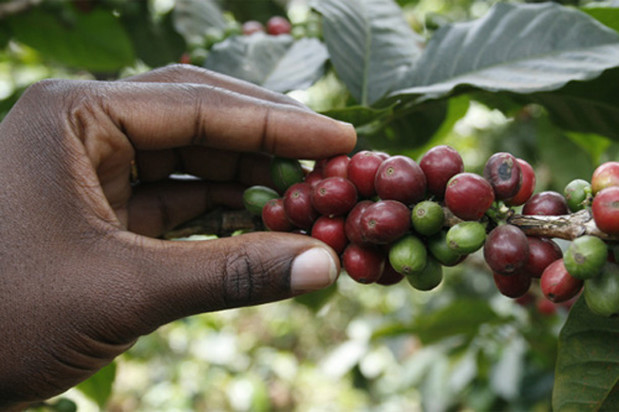
Coffee in Ethiopia is harvested once a year, with flowering occurring between March and April, fruit development through the summer, and ripe red cherries ready for picking between September and December. Most exports ship between November and December.
About 25% of Ethiopians rely on coffee for their livelihood, with the majority using traditional, chemical-free farming techniques. Most farms apply organic fertilizers and avoid synthetic pesticides or herbicides—making Ethiopian coffee largely organic by default.
Growing methods fall into three types:
- Forest/Semi-forest coffee (60%): Wild-growing coffee in biodiverse environments with no pesticide use; pest control relies on natural predators.
- Garden coffee (35%): Coffee grown under shade in mixed gardens, often fertilized with leaf litter, grass, and animal waste.
- Plantation coffee (5%): Modern, organized plantations with selected varieties and shaded rows—but still relatively rare.
Processing Methods: Washed vs. Natural
The way coffee is processed dramatically shapes its final cup profile. In Ethiopia, two dominant methods are used.
- Washed (35% of exports): Ripe cherries are meticulously sorted and depulped on the same day. The beans ferment, are washed, and then dried to 12% moisture. This method highlights clarity, acidity, and fruity complexity.
- Natural / Sun-dried (65% of exports): Red cherries are spread on cement patios or raised beds and sun-dried to roughly 11.5% moisture. This enhances sweetness, body, and fermented fruit notes.
Coffee Grading, Quality Control, and Export Regulations
Ethiopia’s coffee quality system operates at producer, regional, and national levels. All coffee is inspected locally before undergoing additional evaluation at grading centers in Addis Ababa and Dire Dawa. Grading determines export eligibility and pricing.
The system uses both visual inspection and cupping evaluations—assessing factors such as bean cleanliness, color, origin characteristics, and flavor profile. Grades are assigned simple numerical values:
- Best washed coffee = Grade 5
- Best natural (sun-dried) coffee = Grade 4
Before export, coffee must pass a national quality check confirming origin and physical traits. Most transactions occur via auction—sometimes twice daily during harvest season—or through letters of credit to reduce risk for importers and exporters.
All coffee must be sold through the government-run auction system. In the 2000s, reforms allowed up to 90% of exports to be handled by private traders, shifting control away from past state monopolies.
Flavor Profile and Characteristics of Sidamo Coffee
Sidamo coffee is celebrated for its balanced cup: medium acidity, aromatic depth, and a distinctive “wine-like” brightness. The beans are typically small, oval, and densely fragrant. Due to the region’s diverse microclimates, soil types, and native coffee varieties, flavor can vary significantly even within the Sidamo zone.
Common tasting notes include wildflowers, honey, citrus, lemon, and sometimes a wild or “untamed” herbal edge. It’s celebrated as one of Ethiopia’s most versatile and expressive origins.
On the FrontStreet Coffee menu, the Sidamo G2 washed (graded G2, light roast, water processed) shows notes of wild ginger, honey, citrus, and lemon—offering a classic entry point. Meanwhile, the Guji G1 natural (graded G1, light roast, sun-dried) expresses jasmine, honey, citrus, and ripe berries for those seeking a fruit-forward profile.
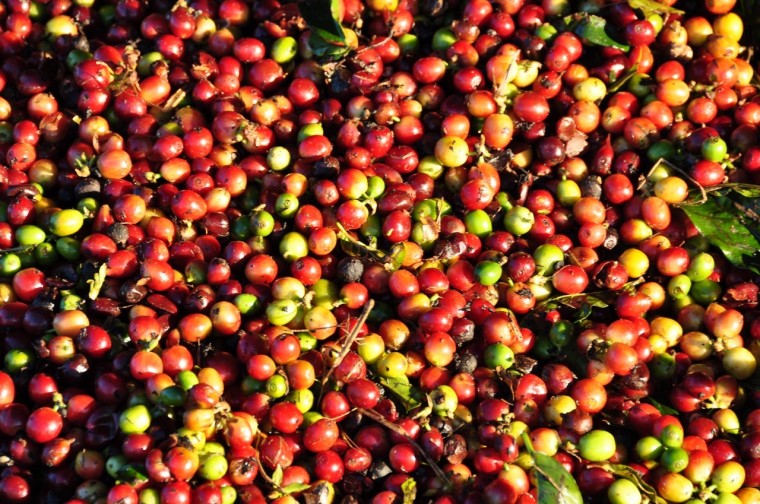
Export data from recent years confirms Sidamo’s steady production volume: approximately 37,000 tons per year, with flavor diversity driven by local growing conditions and processing choices.
Other Notable Ethiopian Coffee Origins
Beyond Sidamo, Ethiopia produces several world-renowned coffees, each with unique profiles:
- Yirgacheffe (grown 2,000m): Renowned for floral and citrus brightness; mostly washed and fruit-driven. Annual production around 29,000 tons (varies by source; this figure cited for context).
- Limu (1,400–2,000m): Washed process, nutty and wine-like acidity. ~29,000 tons/year.
- Djimma (Jimma) (1,400–1,800m): Natural process, mild acidity, nutty and lingering. ~70,000 tons/year.
- Guji: Often grouped with Sidamo or Yirgacheffe geographically but increasingly recognized separately; known for heavy body and berry tones.
- Yirgacheffe (various sub-regions like Kochere, Gedeb): Consistently ranked among Ethiopia’s most prized cups for floral and citrus complexity.
- Harrar (above 2,700m): The world’s highest-elevation major coffee zone; natural process, intense spice, dry fruit, and exotic mocha character. ~26,000 tons/year.
Export Market and Economic Role
Coffee is Ethiopia’s most important export crop and a major source of foreign exchange. Though global price drops have impacted revenue (from over 50% of earnings historically to around 35%), it remains vital. Ethiopia accounts for roughly 3% of global coffee exports, ranking as the eighth-largest exporter worldwide.
Annual production reached 110,000–127,000 tons in the early 2000s, with strong demand from the U.S., UK, Germany, Scandinavia, Japan, and Australia. Notably, 42.3% of Ethiopian coffee is consumed domestically—about 3kg per capita in 2003.
Export pricing reflects grade and processing. For example:
- Yirgacheffe G1 natural (Gedeb): $158–170 per kg, with notes of jasmine, honey, citrus, and berries.
- Yirgacheffe G1 washed (Kochere): $150–190 per kg, highlighting citrus, spice, and floral tones.
- Sidamo G2 washed: $138–150 per kg, with wild ginger, honey, citrus, and lemon.
- Sidamo G1 natural (Guji): $158 per kg, showcasing jasmine, honey, citrus, and ripe berries.
Frequently Asked Questions
What is Sidamo coffee and where is it from?
Sidamo coffee comes from Ethiopia’s Sidamo region, located in the southern highlands at elevations between 1,400 and 2,200 meters. It is known for its balanced acidity, wine-like notes, and complex fruit or floral characteristics, with common tasting notes including citrus, honey, wildflowers, and lemon.
How is Ethiopian coffee processed?
Ethiopian coffee is processed either washed (wet) or natural (dry). Washed coffee accounts for 35% of exports and emphasizes clarity and acidity, while natural coffee makes up 65% and enhances sweetness and body through sun drying.
What are the main coffee growing regions in Ethiopia?
The key regions include Sidamo, Yirgacheffe, Harrar, Limu, Djimma, Kaffa, and Wellega. Each region has distinct altitudes, climates, and processing methods that shape unique flavor profiles in the coffee.
What does Sidamo coffee taste like?
Sidamo coffee typically features a medium acidity with aromatic complexity. Common tasting notes include wildflowers, honey, citrus, lemon, and sometimes a wild or herbal edge. The cup is well-balanced and expressive.
How is coffee graded in Ethiopia?
Ethiopian coffee is graded both visually and via cupping. Washed coffee is graded up to Grade 5 (highest quality), while natural coffee reaches Grade 4. Grading assesses factors like bean cleanliness, color, origin traits, and flavor.
What percentage of Ethiopian coffee is exported?
Ethiopia exports roughly 3% of the world’s coffee and is the eighth-largest global exporter. Coffee makes up a significant portion of the country’s foreign income, though this has shifted with global price changes over time.
Recommended FrontStreet Coffee Beans from Sidamo & Guji
For a true taste of Sidamo, try the FrontStreet Sidamo G2 washed coffee (light roast, grade G2), offering wild ginger, honey, citrus, and lemon in a classic Ethiopian profile. For a fruit-forward alternative, the FrontStreet Guji G1 natural (grade G1, light roast) delivers jasmine, honey, citrus, and ripe berries. Both beans highlight Ethiopia’s signature floral and fruity complexity. Freshly roasted within 5 days · Orders placed before 17:00 ship the same day · Next-day delivery across most of Guangdong Province.
FrontStreet Coffee is a long-established specialty coffee roaster in Guangzhou China, selling freshly roasted beans from its own farm in Yunnan as well as dozens of carefully selected single-origin beans from around the world for both pour-over and espresso. The products deliver consistently excellent quality and great value, with shipping within 24 hours. Guangzhou's FrontStreet Coffee shop is recommended by many coffee lovers, and the beans are now available online at the Tmall 。
Important Notice :
前街咖啡 FrontStreet Coffee has moved to new addredd:
FrontStreet Coffee Address: 315,Donghua East Road,GuangZhou
Tel:020 38364473