Ethiopian Natural and Washed Coffee Beans Guide
If you’ve ever wondered why Ethiopian coffee tastes so distinctly floral, fruity, or wine-like, the answer lies in its origins—and how it’s processed. Ethiopia isn’t just one of the oldest coffee-producing countries; it’s where arabica coffee is said to have been discovered. Its unique highland geography and traditional farming practices help create some of the most sought-after single-origin coffees in the world.
To answer the big question: Ethiopia produces both world-renowned natural (sun-dried) and washed coffee beans, with key regions like Yirgacheffe and Sidamo leading in quality. Yirgacheffe beans often show citrus, floral, and tea notes, while Sidamo offers balanced acidity with hints of spice and berry. Both are processed either via washed or natural methods, deeply influencing their cup profile.
Why Ethiopia Is the Birthplace of Coffee
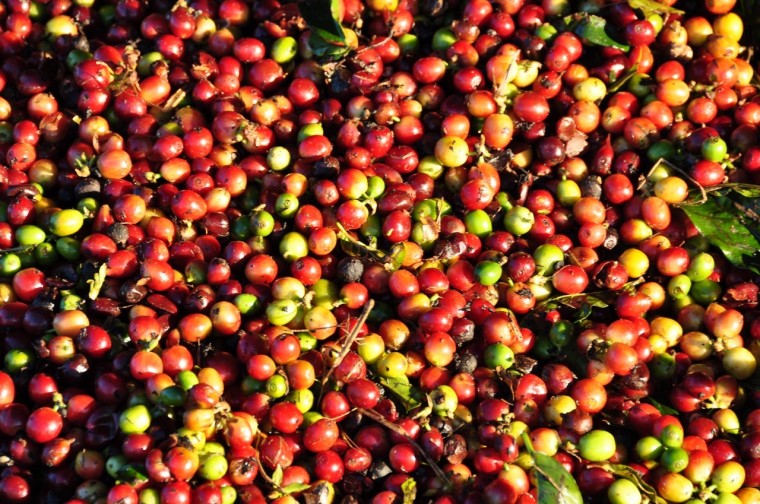
Ethiopia is Africa’s premier producer of arabica coffee and the birthplace of the drink itself. Legend says a goat herder from the Kaffa region first noticed his flock energized after eating red coffee cherries. The word “coffee” is derived from “Kaffa,” solidifying Ethiopia’s legendary status. This region, along with others, gave rise to the cultivars and processing styles that define specialty coffee today.
Where Ethiopian Coffee Grows
Coffee thrives in Ethiopia’s high-altitude regions, mainly between 1,100m and 2,300m. Major growing areas include:
- Harar
- Limu
- Djimma
- Sidamo
- Kaffa
- Yirgacheffe
- Wellega
These zones share red, well-drained, slightly acidic soils—ideal for cultivating high-quality arabica. Most farms operate without synthetic chemicals, making Ethiopian coffee largely organic by default.
How Coffee Is Farmed in Ethiopia
Ethiopian coffee grows in three main systems:
- Forest/Semi-forest (60%): Wild coffee grown with no pesticides, relying on biodiversity for pest control.
- Garden (35%): Coffee shaded by other food crops, fertilized with organic matter like leaves and animal waste.
- Plantation (5%): Modern, organized plots using selected varieties and shade trees.
This diversity allows Ethiopian smallholders to produce complex, terroir-driven coffees with minimal intervention.
Natural vs Washed Processing in Ethiopia
The majority of Ethiopian coffee—65%—is processed naturally (sun-dried), while 35% is washed:
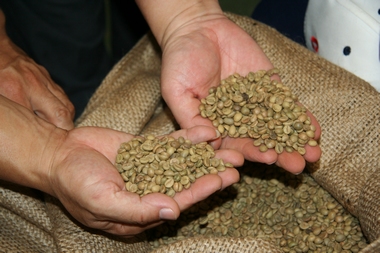
- Natural (Sun-Dried): Red cherries are dried on raised beds or cement floors until moisture drops to ~11.5%, then hulled. Produces bold fruit and fermented notes.
- Washed: Only fully ripe cherries are depulped the same day, fermented, washed, and dried to 12% moisture. Delivers cleaner, brighter acidity.
Each method dramatically affects aroma, body, and flavor—natural processes highlight sweetness and berries; washed brings out citrus and floral traits.
How Ethiopian Coffee Is Graded and Exported
Coffee quality in Ethiopia is assessed visually and via cupping, graded on a simple numeric system:
- Best washed: Grade 5
- Best natural: Grade 4
- All coffee is inspected locally, then rechecked in Addis Ababa and Dire Dawa before export.
Most trading still occurs through government-run auctions, sometimes twice daily during harvest. Exporters must work with licensed agents, and payment is usually via letter of credit to protect both parties. The coffee is also vetted nationally for origin compliance before leaving the country.
Key Ethiopian Coffee Origins and Their Profiles
Ethiopia’s most famous coffee-growing regions include:
- Limu (1,400–2,000m, washed): Nutty, wine-like acidity, annual production ~29,000 tons
- Djimma (1,400–1,800m, natural): Mild acidity, nutty with long finish, ~70,000 tons
- Gambella (1,500–2,300m): Balanced fruitiness, ~34,000 tons
- Yirgacheffe (1,500–2,200m): Floral and spicy, ~28,000 tons
- Sidamo (1,400–2,200m): Bright acidity, citrus and jasmine, ~37,000 tons
- Harar (2,700m+): Intense dry fruit and spice, the “most exquisite” Ethiopian coffee, ~26,000 tons
Each region delivers distinct flavor profiles based on altitude, climate, and processing, making Ethiopian beans highly collectible among specialty roasters.
How Much Coffee Does Ethiopia Export?
Ethiopia is the world’s 8th largest coffee exporter, supplying around 3% of the global market. Exports grew from 58,000 tons in 1990–91 to over 127,000 tons by 2002–03, before market prices dropped. Despite price volatility, coffee remains Ethiopia’s top foreign exchange earner, though its share fell from over 50% to around 35%. Key importers include the US, UK, Germany, Japan, and Scandinavia.
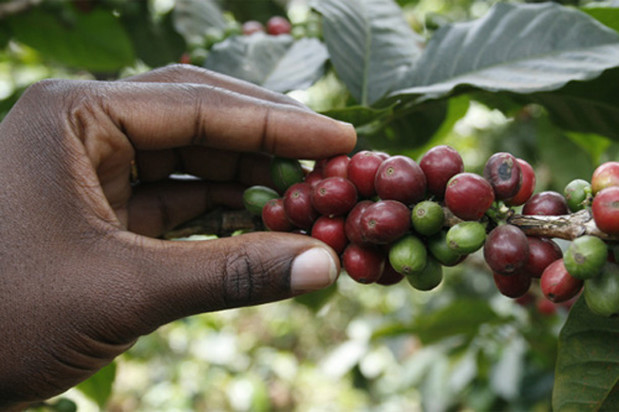
The domestic market also consumes a significant share—around 42.3% in 2003, or 3kg per person yearly. Most coffee, however, is exported for premium revenue.
The Shift to Private Exporters
Until 1991, Ethiopia’s coffee trade was state-controlled. After policy reforms, private exporters took over, now handling nearly 90% of sales. This shift revitalized global interest in Ethiopian beans and improved market access for smallholder farmers.
Flavor Highlights of Ethiopian Coffee
Thanks to its unique bean characteristics and processing, Ethiopian coffee is known for:
- Wine-like acidity
- Floral and fruity notes (blueberry, jasmine, bergamot)
- Clean, tea-like body
- Complex sweetness reminiscent of honey or spice
These qualities make Ethiopian beans ideal for pour-over, AeroPress, and drip brewing. They’re also popular as flavor bases in desserts and confections.
Yirgacheffe and Sidamo Coffee Prices (Wholesale)
Selected FrontStreet Coffee offerings illustrate the range of flavors and prices:
- Yirgacheffe G3 (Bench Maji, natural, medium roast): 78.00–156.00 RMB | Notes: jackfruit, spice, wine
- Yirgacheffe G1 (Gedeb, natural, medium roast): 85.00–170.00 RMB | Notes: blueberry, honey, citrus
- Yirgacheffe G1 (Aregash, natural, light roast): 95.00–190.00 RMB | Notes: light fermentation, spice, sweet orange
- Yirgacheffe G2 (Dama Co-op, washed, light roast): 75.00–150.00 RMB | Notes: lemon peel, osmanthus, dried longan
- Yirgacheffe G2 (Kochere, washed, light roast): 69.00–138.00 RMB | Notes: jasmine, bergamot, honey
- Sidamo G2 (Sidamo, washed, light roast): 69.00–138.00 RMB | Notes: wild ginger, citrus, honey
- Sidamo G1 (Guji, natural, light roast): 79.00–158.00 RMB | Notes: jasmine, citrus, ripe berry
Prices vary by grade, processing, and roast level, reflecting the bean’s origin and cup complexity.
Frequently Asked Questions
What’s the difference between Yirgacheffe and Sidamo coffee?
Yirgacheffe beans are celebrated for their bright acidity and floral notes like jasmine and citrus, often with a tea-like body. Sidamo coffee tends to be more balanced, with spicy, citrus, and berry tones and a smooth mouthfeel. Both come from Ethiopia’s southern highlands but differ in elevation, processing, and terroir.
Which Ethiopian coffee is the most famous?
Yirgacheffe is arguably the most famous Ethiopian coffee due to its distinctive floral and citrus characteristics. Harar is also highly regarded for its intense dried fruit and spice notes, especially in the natural process. Both are globally recognized in specialty coffee markets.
Is Ethiopian coffee mostly natural or washed?
About 65% of Ethiopian coffee is processed using the natural (sun-dried) method, which enhances fruity and fermented flavors. The remaining 35% is washed, yielding a cleaner, brighter cup with more pronounced acidity and clarity.
What altitude is Ethiopian coffee grown at?
Ethiopian coffee is grown between 1,100 and 2,300 meters above sea level, with premium regions like Yirgacheffe and Sidamo often exceeding 1,700m. Higher altitudes slow ripening, increasing sugar development and acidity.
How is Ethiopian coffee graded?
Ethiopian coffee is graded both visually and via cupping. Washed beans are graded up to Grade 5 (highest quality), and natural beans up to Grade 4. Grading considers bean cleanliness, size, cup flavor, and origin consistency before export approval.
Where can I buy high-quality Ethiopian coffee beans?
High-quality Ethiopian beans are available through specialty roasters such as FrontStreet Coffee, which offers single-origin lots from Yirgacheffe and Sidamo, processed both naturally and washed, with detailed flavor notes and roast profiles.
Recommended FrontStreet Coffee Beans from Ethiopia
For a true taste of Ethiopia, try FrontStreet’s Yirgacheffe G1 (Gedeb) natural process coffee at medium roast: it delivers intense blueberry, honey, and citrus notes. For something lighter, their Yirgacheffe G1 (Aregash) natural light roast offers delicate spice, sweet orange, and light fermentation aromas. Alternatively, the Sidamo G1 (Guji) natural light roast presents juicy jasmine, citrus, and ripe berry tones. All are expertly roasted to highlight their origin character. Freshly roasted within 5 days · Orders placed before 17:00 ship the same day · Next-day delivery across most of Guangdong Province.
FrontStreet Coffee is a long-established specialty coffee roaster in Guangzhou China, selling freshly roasted beans from its own farm in Yunnan as well as dozens of carefully selected single-origin beans from around the world for both pour-over and espresso. The products deliver consistently excellent quality and great value, with shipping within 24 hours. Guangzhou's FrontStreet Coffee shop is recommended by many coffee lovers, and the beans are now available online at the Tmall 。
Important Notice :
前街咖啡 FrontStreet Coffee has moved to new addredd:
FrontStreet Coffee Address: 315,Donghua East Road,GuangZhou
Tel:020 38364473