Where Ethiopia’s Top Coffee Beans Come From
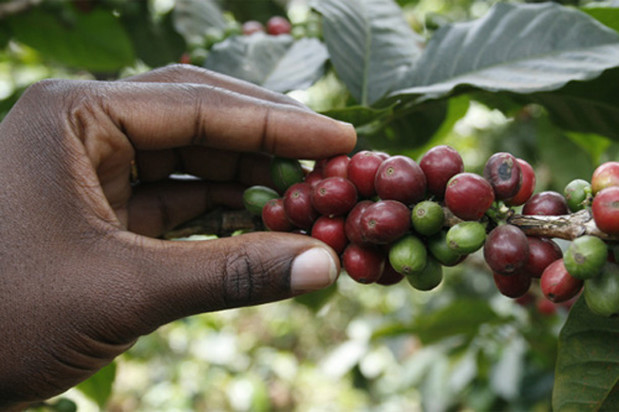
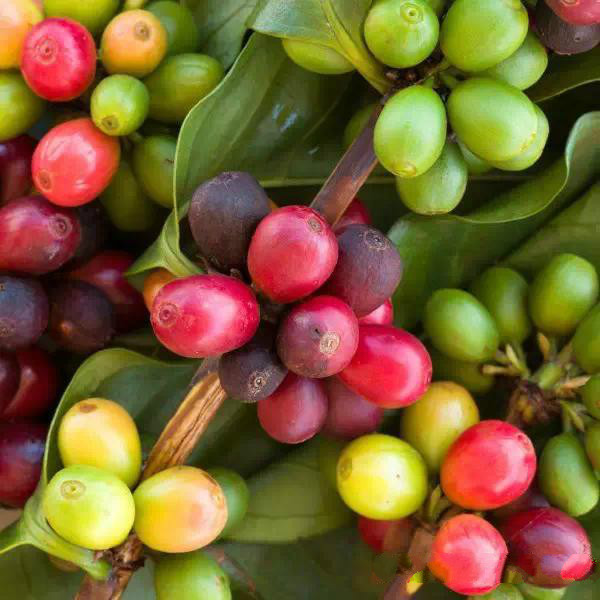
If you’ve ever wondered where the world’s most distinctive specialty coffee comes from—those bright, floral, wine-like cups with complex acidity—the answer lies in the highlands of Ethiopia. This is the birthplace of coffee, where unique cultivars thrive in wild and cultivated forests, and where processing traditions create some of the most sought-after beans on the planet.
Ethiopia produces nearly 100% Arabica coffee, with over 90% of its exports now managed by private traders. The country grows six key specialty-origin coffees and offers both washed and natural processed beans. Its annual production regularly exceeds 100,000 metric tons, making it the eighth largest coffee exporter globally.
Why Ethiopia Is the Birthplace of Coffee
The story goes that coffee was first discovered in Ethiopia’s Kaffa region by a goatherd whose animals became energized after eating red berries. Whether legend or history, Ethiopia remains the genetic home of Arabica coffee, with hundreds of native varieties still growing wild in forest areas. The name ‘coffee’ is believed to derive from ‘Kaffa,’ underlining its deep roots in the country.
Where and How Ethiopian Coffee Is Grown
Ethiopian coffee thrives at elevations between 1,100 and 2,300 meters, mostly in the southern highlands. Key producing regions include:
- Yirgacheffe (1,400–2,200m)
- Sidamo (1,400–2,200m)
- Harar (2,700+m)
- Gedeb (part of Yirgacheffe, 1,900–2,100m)
- Limu (1,400–2,000m)
- Djimma, Wellega, and Yergacheffe
These areas feature well-drained, slightly acidic, red and porous soils. The coffee is harvested once a year, with flowering in March–April and ripe fruit ready for picking between September and December. Most exports leave the country in November and December.
Three Production Systems: Forest, Garden, and Plantation
Ethiopian coffee grows under three main systems:
- Forest/Semi-forest (60%): Wild coffee in biodiverse settings, no chemicals used, pests managed biologically.
- Garden (35%): Coffee grown under shade with other food crops, fertilized with organic matter like leaves and animal waste.
- Plantation (5%): Modern, planted in rows with selected varieties and shade trees.
Processing: Washed vs. Natural
Coffee in Ethiopia is processed in two main ways:
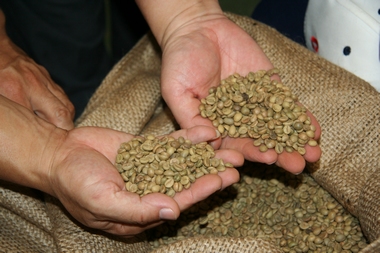
- Washed (35% of exports): Only fully ripe cherries are handpicked. Depulping happens the same day, followed by fermentation, washing, and drying to 12% moisture.
- Natural/Dry (65% of exports): Cherries are sun-dried on raised beds or concrete floors until they reach around 11.5% moisture, then hulled.
How Ethiopian Coffee Is Graded and Exported
Quality control has three tiers: producer, regional, and national. All coffee is inspected locally, then graded again in Addis Ababa and Dire Dawa. Grading is based on visual and cup quality, including cleanliness, bean color, and flavor. Key metrics:
- Best washed: Grade 5
- Best natural: Grade 4
Export lots are sold mostly via auction—sometimes twice daily during harvest season—and payment is typically made through letters of credit to reduce risk. All coffee must pass through national auctions under Ethiopian law.
Major Ethiopian Coffee Origins and Their Profiles
Ethiopia’s most famous coffees include:
- Yirgacheffe (1,400–2,200m): Washed and natural options. Bright acidity, floral and citrus tones. Annual production ~37,000 tons.
- Sidamo (1,400–2,200m): Balanced acidity, fruity and citrus notes. Annual production ~37,000 tons.
- Harar (2,700+m): Mostly natural. Intense spice, blueberry, and dry fruit. World-renowned as classic 'Mocha' coffee. Annual production ~26,000 tons.
- Yergacheffe (1,500–2,200m): Floral, spice, and jasmine notes. Annual production ~28,000 tons.
- Gedeb (Yirgacheffe): High-altitude washed and natural lots. Known for intense floral and berry qualities.
- Limu (1,400–2,000m): Winey acidity, nutty character.
- Djimma, Wellega, Kaffa: Varied profiles depending on processing.
- Gedeb and Gedeo Zone (including Yirgacheffe): Home to some of the most prized microlots.
Wholesale Prices and Global Demand
Selected recent FrontStreet Coffee wholesale offerings illustrate the range:
- Yirgacheffe G1 Gedeb: washed, light roast — citrus, jasmine, $138.00/158.00 per unit
- Yirgacheffe G1 Gedeb: natural, light roast — pineapple, spice, $156.00/170.00 per unit
- Yirgacheffe G1 Ayere: natural, light roast — winey, fermented sweetness, $190.00 per unit
- Sidamo G1 Guji: natural, light roast — honey, berry, citrus, $158.00 per unit
- Sidamo G2: washed, light roast — lemon, floral, $138.00 per unit
Ethiopia produces about 3% of the world’s coffee and remains a key supplier for markets including the United States, UK, Germany, Japan, and Scandinavia. Despite price fluctuations, it remains vital to the national economy, with domestic consumption at 42% of production.
What Changed in Ethiopian Coffee Trade?
Before 1991, coffee trade was state-controlled. After political reforms, private exporters took over nearly 90% of trade. This shift increased volume and variety reaching international markets, especially specialty lots.
Frequently Asked Questions
What makes Ethiopian coffee different from other countries?
Ethiopian coffee is unique due to its vast genetic diversity, high-altitude growing conditions, and traditional processing methods. Most beans are grown without chemicals, and many are cultivated in wild or semi-wild forests. Flavors often include bright acidity, floral notes, citrus, berries, and wine-like tones rarely found elsewhere.
What are the main coffee-growing regions in Ethiopia?
The major regions are Yirgacheffe, Sidamo, Harar, Gedeb, Limu, Djimma, Wellega, and Yergacheffe. Each has distinct altitude, climate, and processing styles that shape the flavor profile—ranging from fruity and floral to spicy and wine-like.
Does Ethiopia export more washed or natural coffee?
Ethiopia exports more natural (dry-processed) coffee—about 65%—compared to 35% washed. However, washed coffees from regions like Yirgacheffe and Sidamo are highly prized in specialty markets for their clarity and brightness.
What is the coffee grading system in Ethiopia?
Coffee is graded based on physical and cup quality. Washed beans are graded from 1 to 9 (with 5 being the best), and natural beans from 1 to 5 (with 4 being the best). Grading considers bean cleanliness, size, color, and cup characteristics such as acidity and flavor.
How is Ethiopian coffee processed?
Most Ethiopian coffee is either washed (pulped, fermented, washed, and dried) or natural (dried with the cherry on). Washed coffees typically go through careful selection and fermentation, while naturals are sun-dried slowly to concentrate sugars and flavors.
Who buys Ethiopian coffee?
Top importers include the United States, Italy, Germany, the UK, Sweden, Norway, Japan, France, Belgium, and Australia. Ethiopia is the world’s eighth-largest coffee exporter, supplying around 3% of the global market.
Recommended FrontStreet Coffee Beans from Ethiopia
For a true taste of Ethiopia, try FrontStreet’s Yirgacheffe G1 Gedeb (natural process, light roast) with notes of pineapple, spice, and tropical fruit; their Yirgacheffe G1 Ayere (natural, light roast) offers winey fermentation and sweet complexity; and the Sidamo G1 Guji (natural, light roast) brings honey, berry, and citrus brightness. All are single-origin, high-elevation lots that highlight Ethiopia’s exceptional coffee diversity. Freshly roasted within 5 days · Orders placed before 17:00 ship the same day · Next-day delivery across most of Guangdong Province.
FrontStreet Coffee is a long-established specialty coffee roaster in Guangzhou China, selling freshly roasted beans from its own farm in Yunnan as well as dozens of carefully selected single-origin beans from around the world for both pour-over and espresso. The products deliver consistently excellent quality and great value, with shipping within 24 hours. Guangzhou's FrontStreet Coffee shop is recommended by many coffee lovers, and the beans are now available online at the Tmall 。
Important Notice :
前街咖啡 FrontStreet Coffee has moved to new addredd:
FrontStreet Coffee Address: 315,Donghua East Road,GuangZhou
Tel:020 38364473