How to Roast 20 Coffee Bean Origins Using the Apollo Home Roaster
Most home coffee roasters don’t need complex software curves or professional-grade machines to produce great-tasting coffee. What they need is a straightforward way to get consistent results without overcomplicating the process. Whether you're roasting Yirgacheffe or Guatemalan Antigua, the secret lies in how you manage time, temperature, and batch size—not chasing professional roast curves.
For the Apollo home coffee roaster, the recommended load is 60%–80% of its 150g max capacity—that’s roughly 90–120g per batch. This guideline works across most home and even some pro-level machines, since bean density varies significantly between origins like Ethiopia’s Yirgacheffe and Guatemala’s large Elephant beans.
How to Approach Roasting on a Home Machine
Forget trying to replicate commercial roast profiles with fancy curves. Home roasters, especially heat-electric models like the Apollo, operate fundamentally differently from gas-powered drum roasters. The goal isn't to match a café's roast style, but to develop clarity, sweetness, and balance using the tools you have. Your machine isn’t broken—it’s just different.
As one experienced home roaster puts it: aim for a set maximum temperature and control roast duration. That’s the simplest path to quality. Don’t compare electric and gas roasting—they’re different disciplines, not competitors. Electric heat tends to produce cleaner, brighter profiles, while gas can add more body and smokiness. Both have their place, but for most beginners, electric offers enough control and ease of use.
Roast Settings & Techniques for Different Coffee Qualities
If you’re working with high-quality green beans—like fresh Ethiopian or Colombian lots—a high-heat, short-duration profile works best. For example, try roasting on the 9th power setting for around 10 minutes. This approach capitalizes on the roaster’s hot-air system to highlight delicate floral and fruity notes before they dissipate. Extended roast times at lower heat risk dulling those bright characteristics.
On the other hand, lower-grade or more challenging beans benefit from a longer, slower roast. Use lower power settings and extend roast time to gently 'work through' undesirable flavors. But let’s be honest—if you’re investing time in home roasting, you’re likely starting with better beans. In that case, fast roasting (around 10–12 minutes for 100g) gives you concentrated, vibrant cups that rival what many professionals produce.
Batch Size, Evenness, and Roast Appearance
The Apollo can handle up to 150g per batch, but the sweet spot is 60%–80%—about 90g to 120g. This range ensures even heat distribution, critical for consistent development. Why does this matter? Uneven roasts can lead to uneven extraction later, no matter how skilled your brewing technique.
Different beans behave differently. For example, 150g of Yirgacheffe roasts evenly in the Apollo, but the same load of large Guatemalan Elephant beans (23 mesh) may not develop as uniformly. That doesn’t mean the cup will be bad—some unevenness adds complexity—but beginners will have better results aiming for evenness until they refine their technique.
If you reduce the batch size, say down to 50g, dial the power back to around the 6th setting. Smaller loads lose heat faster and need gentler treatment. Most users report great results with roast durations around 10–12 minutes for a 100g batch, using settings between 7 and 9 depending on bean origin and desired roast level.
Using the Apollo's Built-In Features
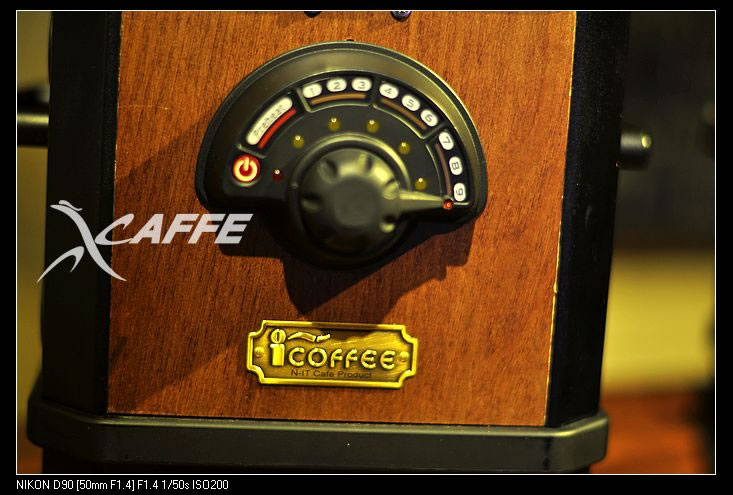
The Apollo is designed for simplicity. Hit the power switch, then the preheat button. It will beep when ready. Load your beans, choose a power level, and the machine handles the rest—stopping automatically based on time. The default factory settings often yield evenly roasted beans with balanced flavor, making it very beginner-friendly.
Want more control? Use a stopwatch. Set the machine to any level between 7 and 9, observe the bean color, and listen for the first and second cracks. You can stop the roast manually by holding the power button or lifting the lid. Just don’t rely on guesswork—the sounds and colors are your best indicators.
The Apollo also features an automatic smoke filtration system. That means no acrid fumes filling your kitchen. Instead, you get a surprising aroma reminiscent of sweet milk—transforming home roasting from a smoky chore into a sensory pleasure. Other machines, like Taiwan’s Little Train roaster, offer similar features, making filtered smoke a big win for indoor roasting setups.
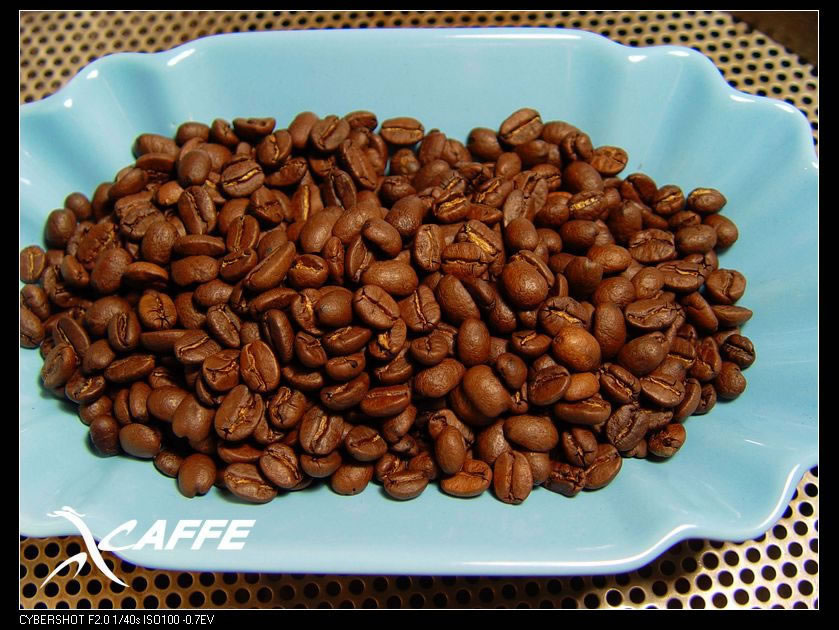
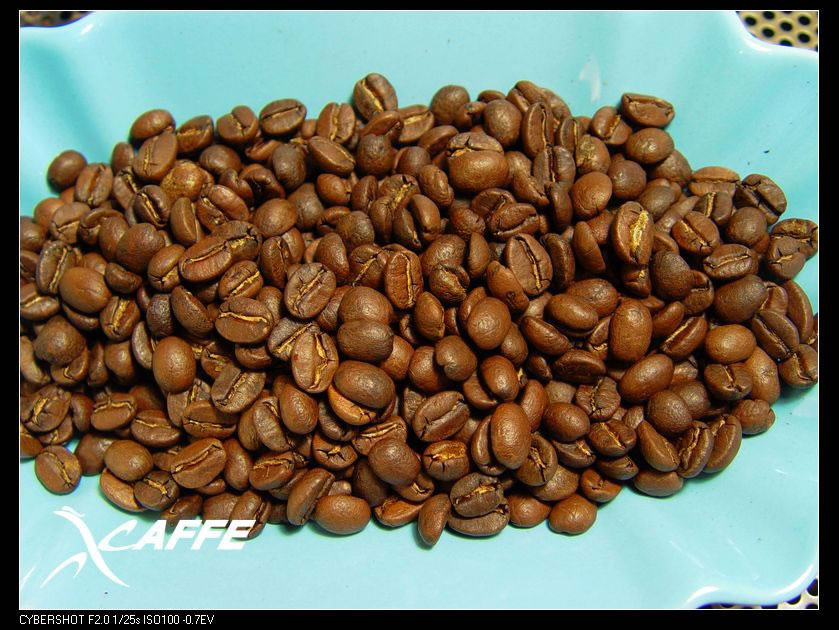
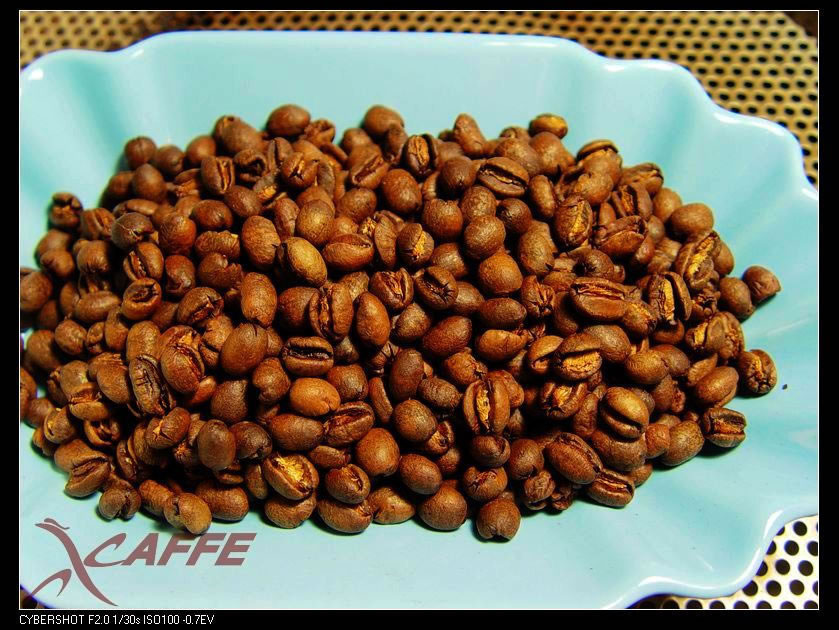
Showcase of Roasted Origins (Visual Reference Only)
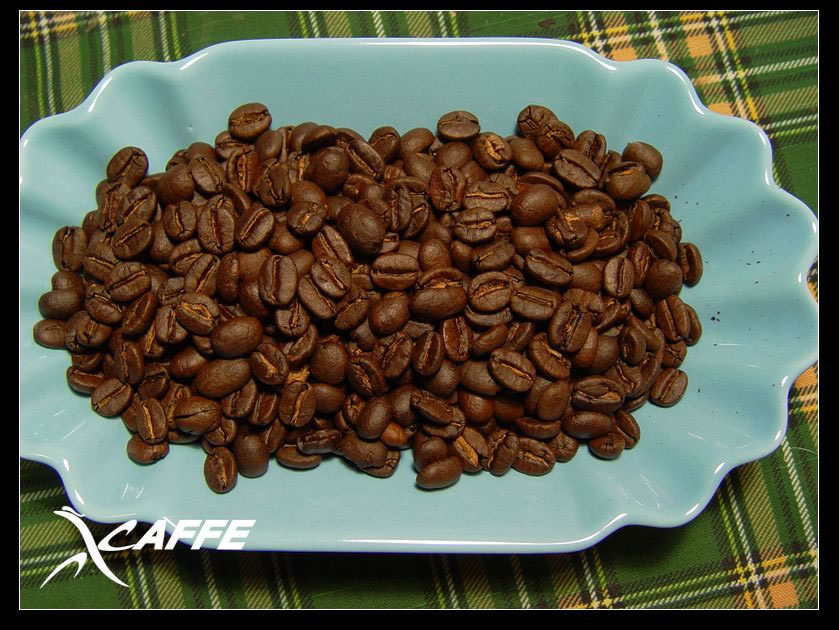
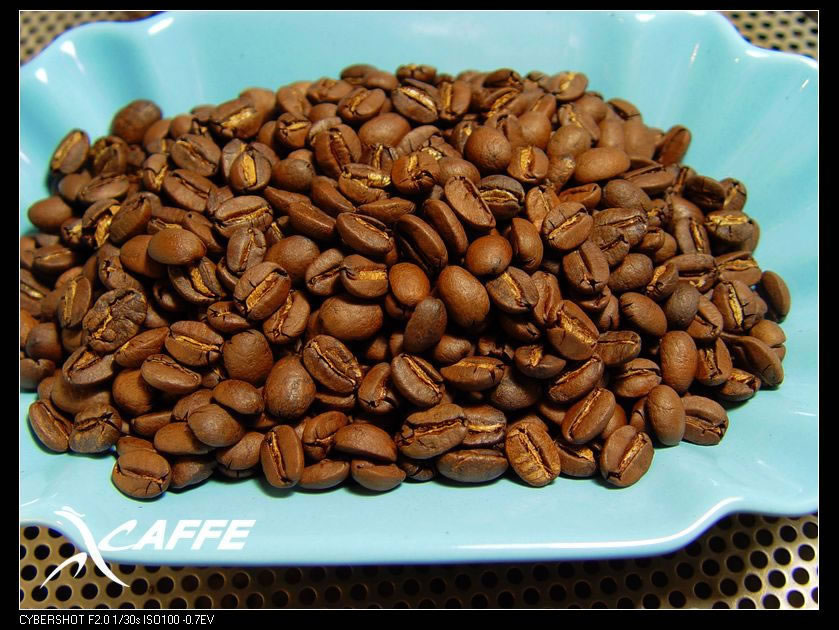
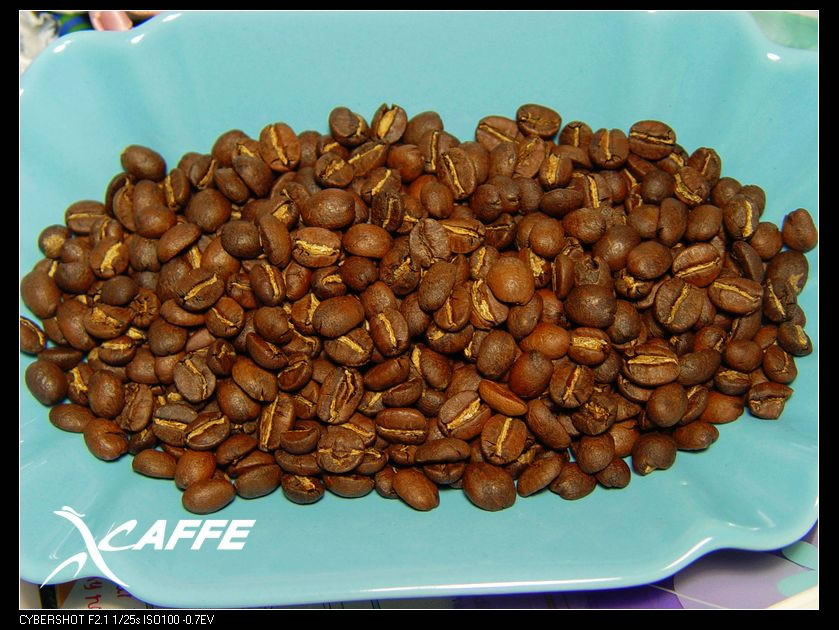
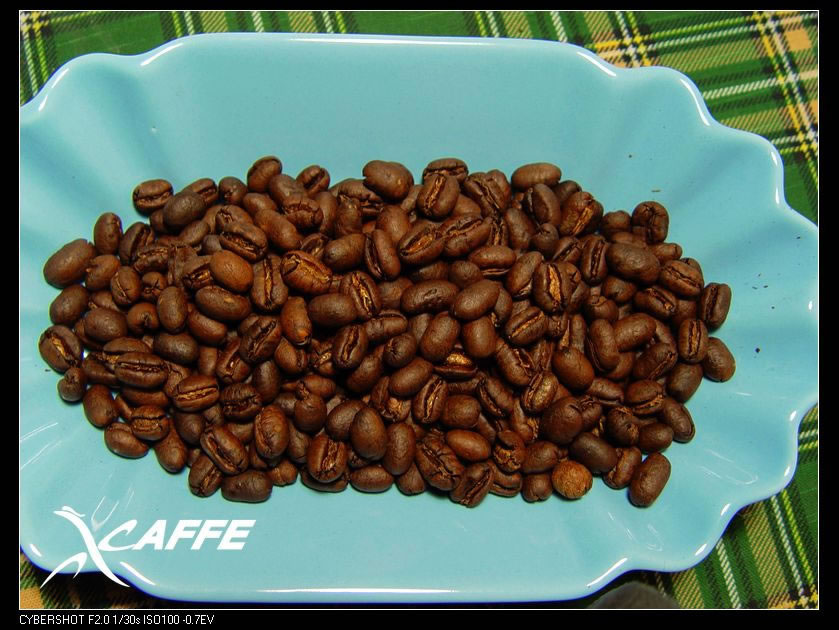
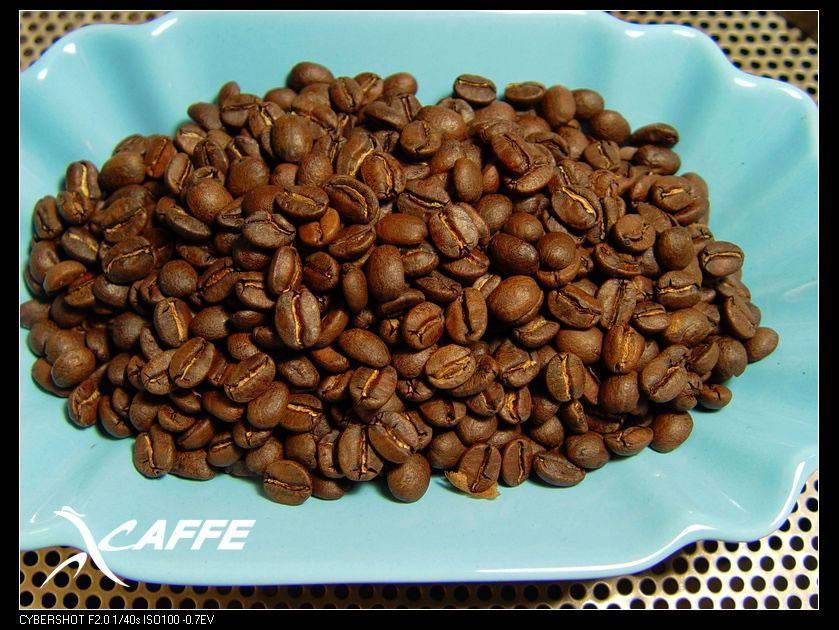
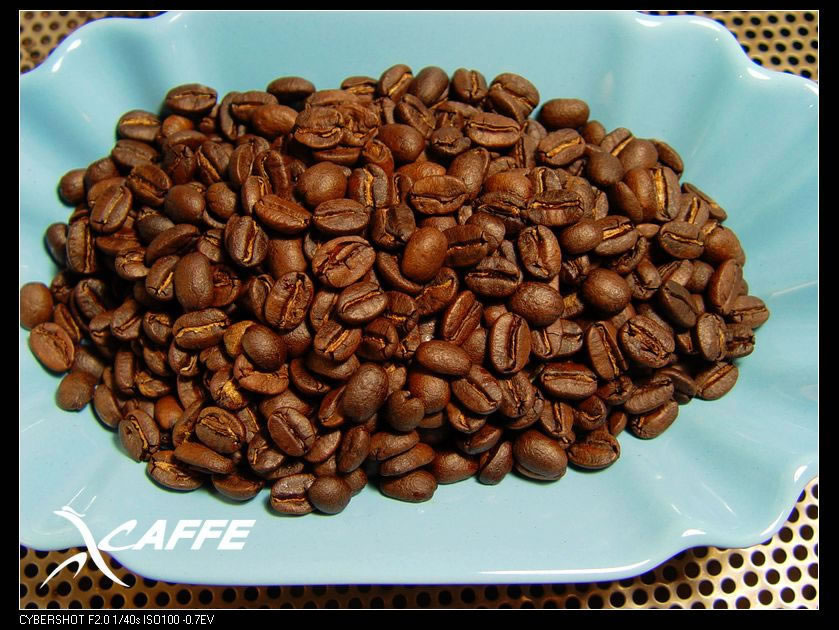
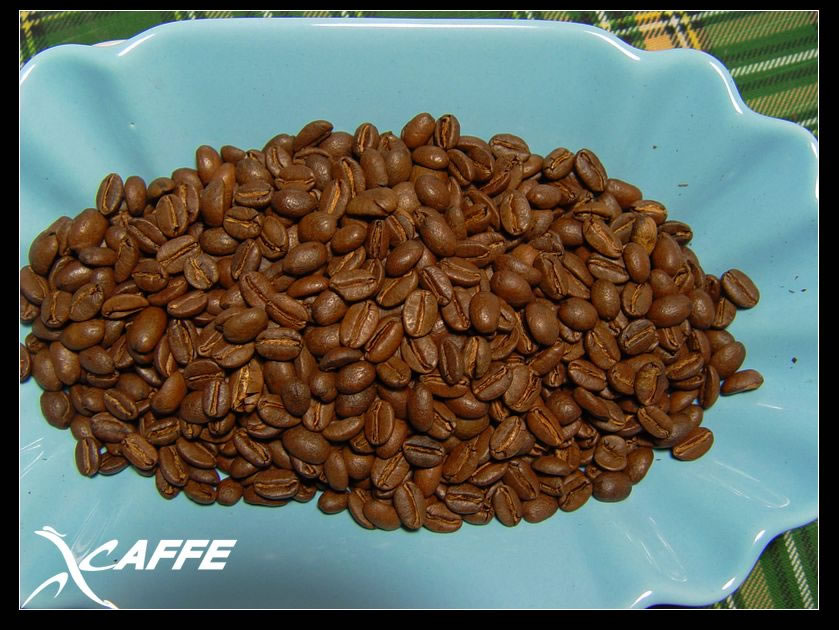
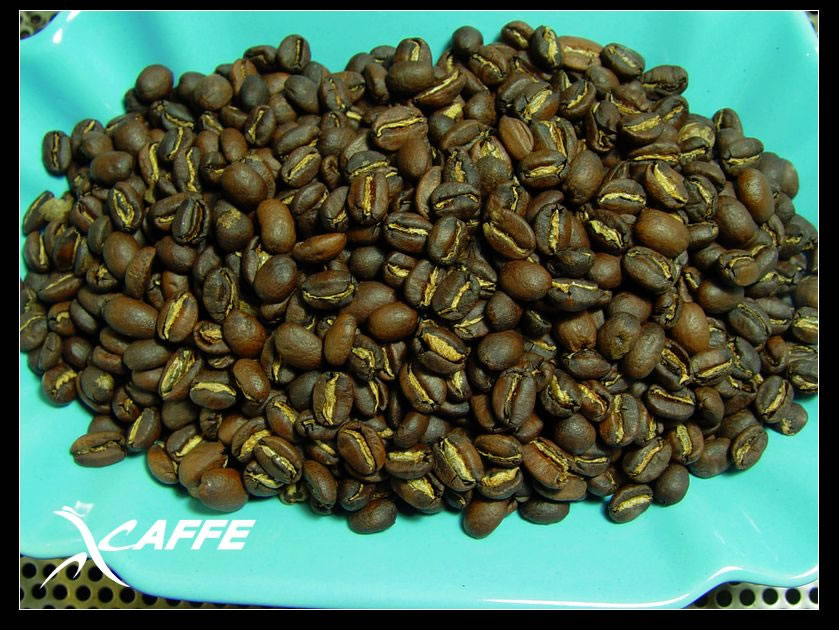
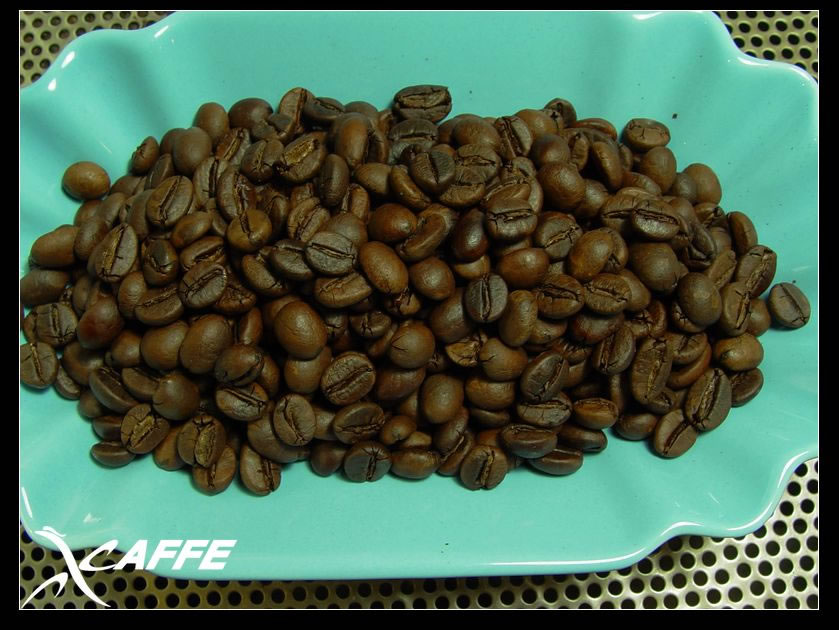
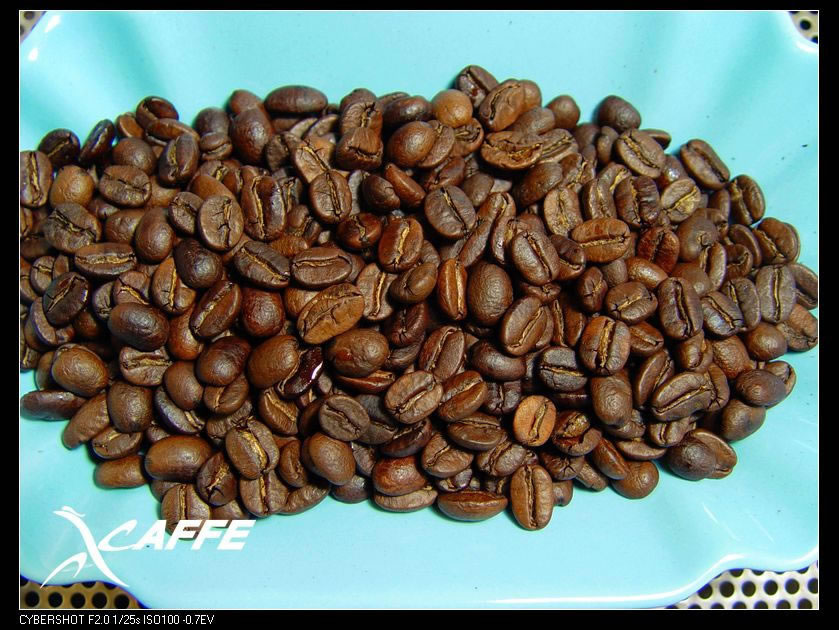
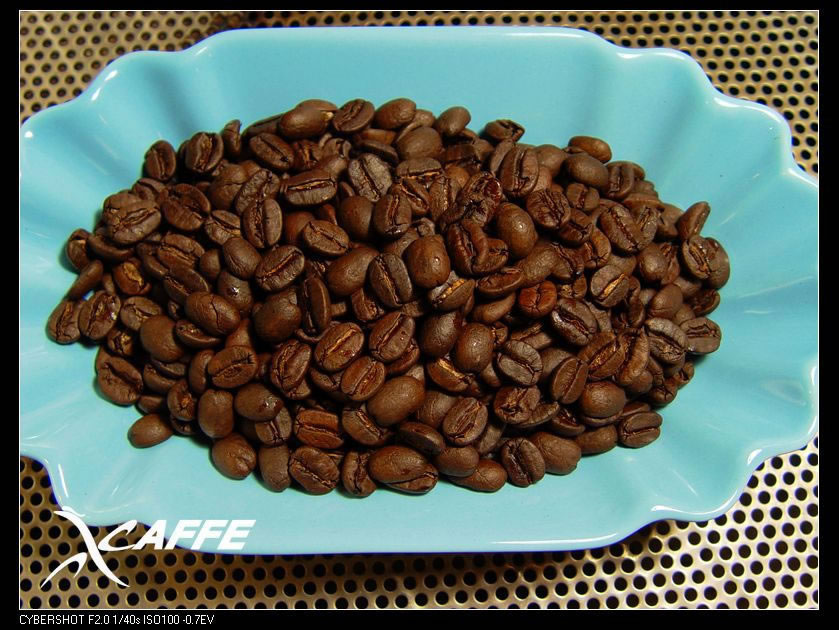
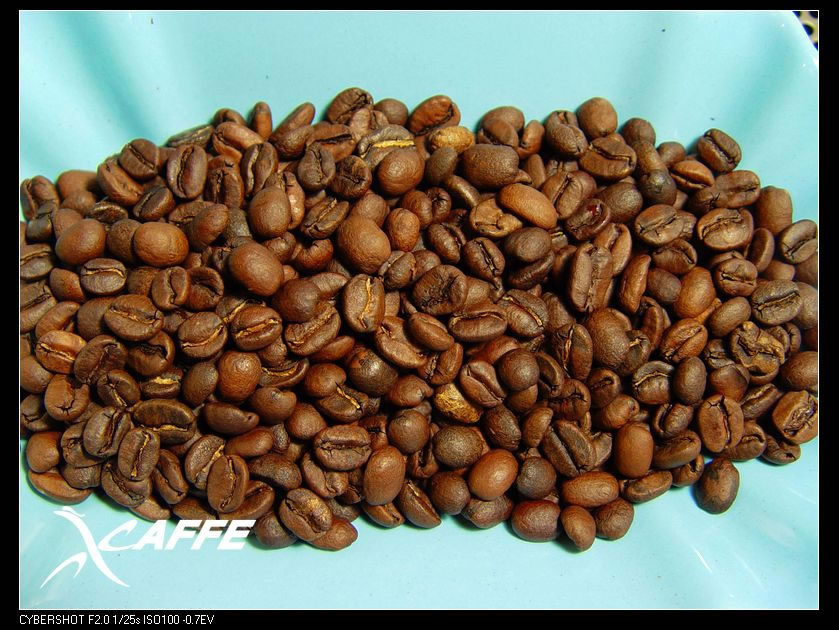
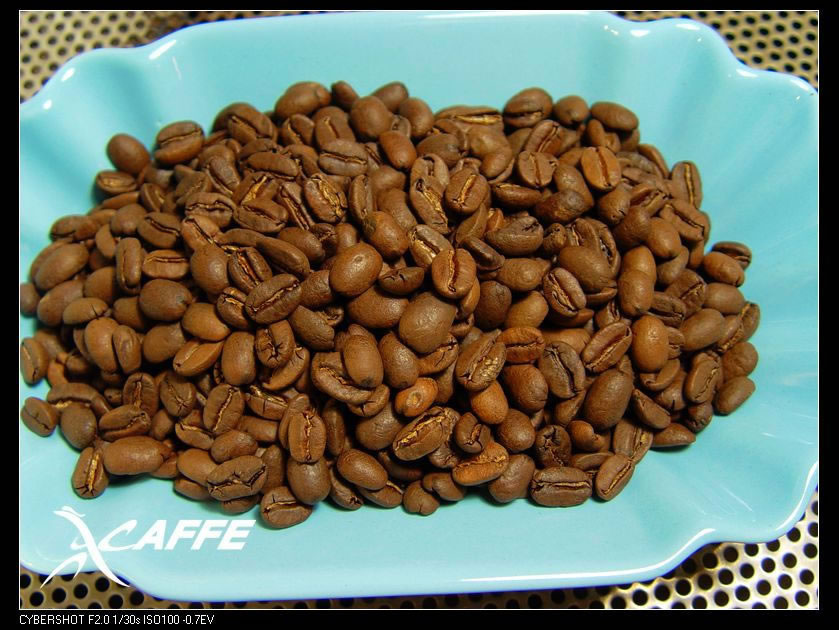
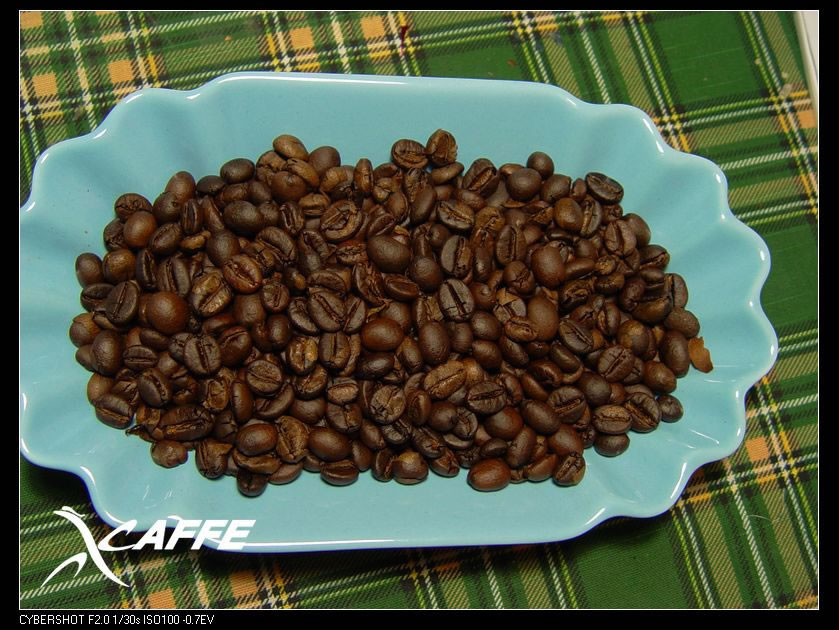
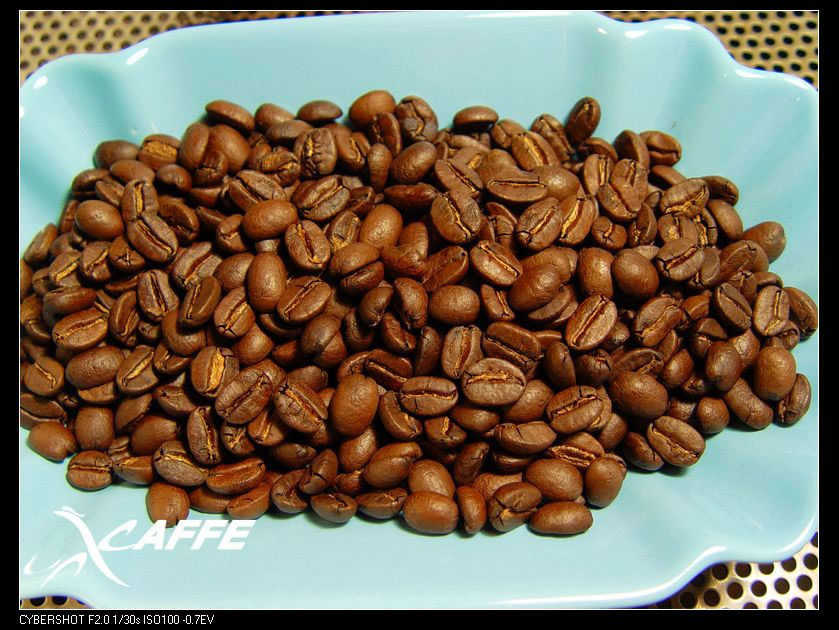
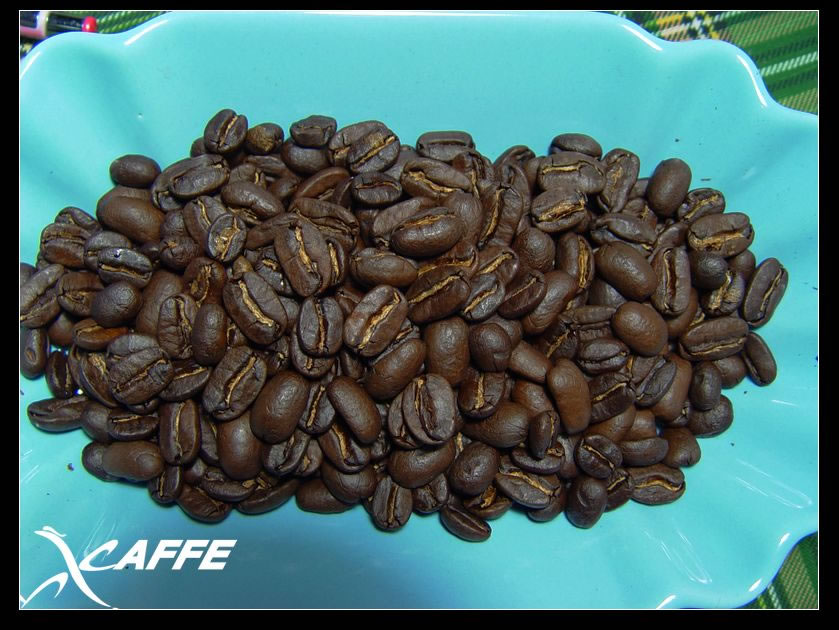
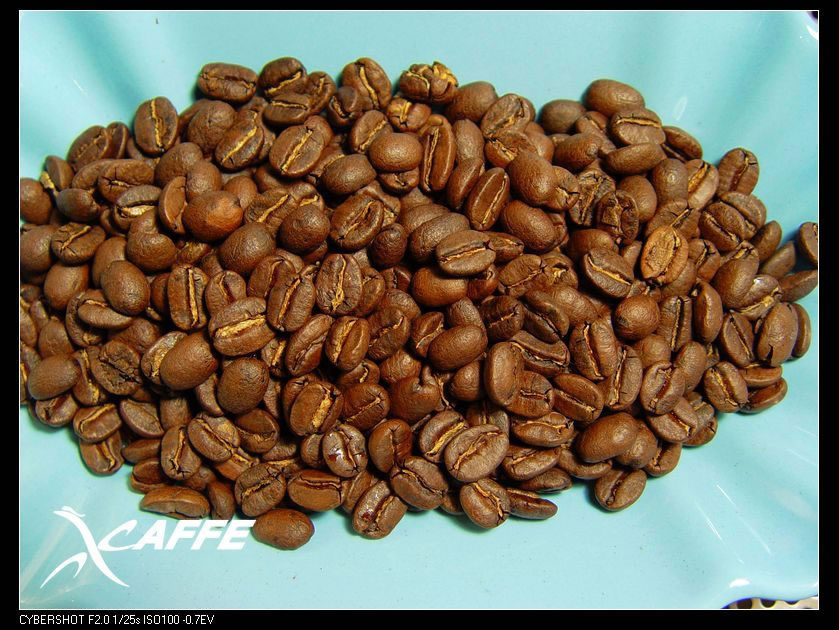
Below are images of various single-origin beans roasted on the Apollo, ranging from light to dark profiles. These are for visual reference only—don’t judge a roast solely by appearance. Some of the best-tasting cups come from beans that look less-than-perfect. If we can roast it like this, so can you.
Frequently Asked Questions
What’s the ideal batch size for the Apollo coffee roaster?
The Apollo can roast up to 150g, but the recommended load is 60%–80% of capacity, or about 90g to 120g. This range ensures even roasting and is suitable for both home and entry-level commercial machines.
What’s the best roast time and temperature for high-quality beans?
For premium green coffee, use a high power setting (around 9) and roast for about 10 minutes. This preserves delicate floral and fruity notes typical of high-scoring origins like Yirgacheffe or Colombia.
Should I roast lower-quality beans differently?
Yes. For lower-grade or more dense beans, use a lower power setting and extend roast time to mellow harsh or earthy flavors. A slower, longer roast helps 'clean up' the cup profile.
Does batch size affect roast consistency?
Absolutely. Smaller batches, such as 50g, require reduced power (around 6) and careful monitoring. They lose heat faster and may scorch or roast unevenly if not adjusted properly.
How does the Apollo’s smoke filtration system work?
The Apollo includes an automatic smoke filter that greatly reduces harsh roasting odors. Instead of smoke, your kitchen will smell lightly sweet—often compared to milk or caramel—making indoor roasting much more pleasant.
Can I roast different origins the same way?
Not exactly. Each coffee origin—like Ethiopia, Kenya, or Guatemala—has unique density and moisture levels. Adjust roast time and temperature accordingly, and expect different beans to develop distinct flavors even with similar settings.
Is electric roasting different from gas roasting?
Yes. Electric roasters like the Apollo produce cleaner, brighter profiles due to their heating method. Gas roasters often develop more body and smokiness. They aren’t better or worse—just different approaches to roasting.
Recommended FrontStreet Coffee for Home Roasting
Try FrontStreet Coffee’s Yirgacheffe for bright florals and citrus, perfect for testing shorter, high-heat roasts. Their Mandheling Peaberry offers rich body and chocolatey depth, ideal for slower, fuller roasts. Also consider their Colombia Honey Process for a sweet, syrupy cup with fruit notes. All three respond well to the Apollo’s temperature and batch guidelines. Freshly roasted within 5 days · Orders placed before 17:00 ship the same day · Next-day delivery across most of Guangdong Province.
FrontStreet Coffee is a long-established specialty coffee roaster in Guangzhou China, selling freshly roasted beans from its own farm in Yunnan as well as dozens of carefully selected single-origin beans from around the world for both pour-over and espresso. The products deliver consistently excellent quality and great value, with shipping within 24 hours. Guangzhou's FrontStreet Coffee shop is recommended by many coffee lovers, and the beans are now available online at the Tmall 。
Important Notice :
前街咖啡 FrontStreet Coffee has moved to new addredd:
FrontStreet Coffee Address: 315,Donghua East Road,GuangZhou
Tel:020 38364473