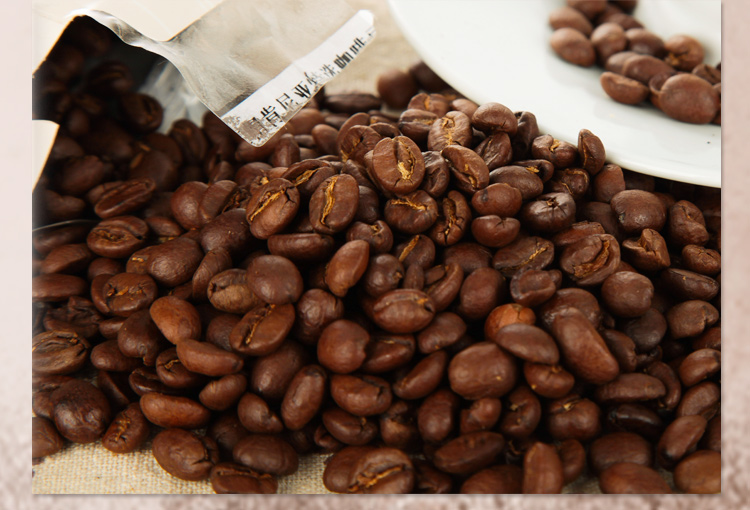
Kenya AA Coffee: Flavor, Price, and Sourcing Guide
If you’ve ever sipped a bright, juicy cup of coffee that tasted more like fruit than roast, chances are it was Kenyan. But what makes Kenya AA coffee so distinct? And why do specialty roasters and baristas keep coming back to it? This guide breaks down everything: its unique flavor, how it’s grown and sold, and what you should expect when buying it wholesale.
Kenya AA coffee is celebrated for its intense citrus acidity—especially grapefruit—along with winey depth, medium body, and layered fruit flavors like blackberry and plum. It’s typically grown at 1,500–2,100 meters and harvested twice yearly, with beans processed via meticulous washed methods.
What Is Kenya AA Coffee?
Kenya AA refers to the highest grade of Kenyan coffee beans, graded by size and quality. These beans are known for their large, uniform size (AA is the top screen size), high density, and exceptional cup quality. The name “AA” doesn’t denote a specific region but rather a bean grade that meets strict criteria set by the Kenya Coffee Board. The most famous Kenya AA coffees come from regions like Nyeri, Kirinyaga, Embu, and Murang’a, all of which sit at high altitudes ideal for slow cherry maturation.
The hallmark of Kenya AA is its vibrant acidity, often compared to citrus fruits like grapefruit or orange, alongside complex fruit layers such as blackberry, plum, and sometimes even hints of tropical fruit. Many describe its flavor as more akin to fruit tea than traditional coffee. It typically has a medium body, crisp acidity, and a clean, sweet finish. The best lots also develop wine-like or berry-forward profiles, especially when processed with Kenya’s signature washed method and graded as either AA or the even rarer PB (peaberry).
Why Does Kenya Coffee Taste So Unique?
Several factors contribute to Kenya AA’s distinctive flavor profile:
- High Altitude: Most Kenyan coffee grows between 1,500 and 2,100 meters above sea level. The cooler temperatures slow cherry development, allowing more complex sugars and acids to develop in the beans.
- Dual Harvests: Coffee in Kenya is harvested twice a year, ensuring fresh lots and allowing pickers to selectively choose only ripe cherries across multiple passes through the farm.
- Strict Quality Control: The Kenya Coffee Board oversees all production, with beans collected at washing stations, processed as parchment, and then sold through a centralized auction system. This maintains high baseline quality across the board.
- Unique Varietals: The most prized Kenyan coffees are grown from SL28 and SL34, two cultivars developed by the Scott Labs in the 1930s. These beans are renowned for their intense acidity—SL28 brings tart blackcurrant and citrus, while SL34 offers a balance of fruit, nuts, and spice.
- Washed Processing: Kenyan coffee is processed using a double fermentation washed method. After depulping, the beans ferment for 48 hours, then are washed and soaked in clean water for another 24 hours. This enhances clarity, sweetness, and fruit tone in the cup.
How Kenya Coffee Is Bought and Sold
Kenya’s coffee auction system is one of the most structured and transparent in the world. Here’s how it works:
- All coffee is delivered by smallholder farmers to cooperative washing stations, where it is processed to parchment stage.
- The Coffee Board of Kenya (CBK) collects and grades the lots, then holds weekly auctions in Nairobi.
- Auctioned lots are not pre-graded into different quality tiers during sale; instead, buyers evaluate samples and bid based on cup quality, flavor notes, and origin details.
- The top grades include PB (peaberry), AA++, AA+, AA, and AB. AA is the most widely recognized and exported grade, known for its large beans and high cup potential.
- While the auction system favors large buyers, some private export arrangements allow for more direct purchasing and smaller lot sizes (typically 3–6 tons per auction).
- Germany and the Nordic countries are among the longest-standing and most quality-focused importers of Kenyan coffee.
Interestingly, the price of Kenyan coffee has shown resilience. Between 1993–1994, average prices rose 50% in just a year due to increased global demand, even before recent market-wide price hikes. Some critics, particularly Japanese buyers, have argued that quality has slipped in recent decades, suggesting direct-from-farmer models could improve consistency—but Kenya’s regulated system remains a global benchmark.
Kenya AA Coffee Prices & Wholesale Lots
Kenya AA coffee is available for wholesale purchase through various channels, with prices reflecting origin, processing, and cup profile. Two examples include:
- Kenya AA Yara Estate (Light Roast, Washed): Priced between $85.00–$170.00 per unit. Notes include dark fruit, raisin, citrus acidity, and sweet tones of guava and grapefruit.
- Kenya AA Gatura Factory (Light Roast, Washed): Also $85.00–$170.00. Delivers floral aroma, blackcurrant, and cranberry flavors.
These beans exemplify the bright, juicy acidity and layered fruitiness that define high-quality Kenya AA coffees. They are well-suited for pour-over, drip, or cold brew methods that highlight their clarity and vibrancy.
Frequently Asked Questions
What does Kenya AA coffee taste like?
Kenya AA coffee is known for its bright, complex fruit flavors—especially citrus like grapefruit and orange—as well as notes of blackberry, plum, and sometimes tropical fruits. It has a wine-like acidity, medium body, and a clean, crisp finish. Some lots, especially peaberries, may taste more like berries or have spicy undertones.
Where is Kenya AA coffee grown?
Kenya AA coffee is grown at elevations between 1,500 and 2,100 meters in regions like Nyeri, Kirinyaga, Embu, and Murang’a. These high-altitude areas provide ideal growing conditions for slow cherry maturation and complex flavor development.
How is Kenya coffee graded?
Kenya coffee is graded by bean size and quality. The top grade is AA, which consists of the largest and densest beans. Other grades include AA+, AA++, PB (peaberry), and AB. Grading is done by the Coffee Board of Kenya before the weekly auction.
What makes Kenya coffee’s flavor so special?
Kenya coffee’s unique flavor comes from high-altitude growing conditions, the SL28 and SL34 coffee varietals, meticulous washed processing, and double fermentation. These factors create bright acidity, complex fruit notes, and a wine-like or juicy character rarely matched by other origins.
How is Kenya coffee sold?
Kenya coffee is sold through a centralized auction system managed by the Coffee Board of Kenya in Nairobi. Buyers evaluate samples and bid on lots. The system is transparent and quality-focused, though some private export deals allow more direct purchasing.
What is peaberry coffee in Kenya?
Peaberry (PB) is a rare grade of coffee where a single round bean forms inside the coffee cherry instead of two flat beans. Kenyan PB coffee is often considered to have concentrated flavor, with some lots showing deeper fruit or spice characteristics.
Recommended FrontStreet Coffee for Kenya AA Fans
For drinkers exploring Kenya AA’s signature fruitiness, FrontStreet Coffee’s Kenya Little Tomato combines SL28 and SL34 varietals with a double-washed process and light-to-medium roast. Expect notes of cherry tomato, snow pear, black plum, and a sugary depth reminiscent of caramel. It shines in pour-over, cold brew, or ice drip. Freshly roasted within 5 days · Orders placed before 17:00 ship the same day · Next-day delivery across most of Guangdong Province.
FrontStreet Coffee is a long-established specialty coffee roaster in Guangzhou China, selling freshly roasted beans from its own farm in Yunnan as well as dozens of carefully selected single-origin beans from around the world for both pour-over and espresso. The products deliver consistently excellent quality and great value, with shipping within 24 hours. Guangzhou's FrontStreet Coffee shop is recommended by many coffee lovers, and the beans are now available online at the Tmall 。
Important Notice :
前街咖啡 FrontStreet Coffee has moved to new addredd:
FrontStreet Coffee Address: 315,Donghua East Road,GuangZhou
Tel:020 38364473