What Gives Kenyan Coffee Its Bright Fruit Flavors?
Ever brewed a cup of Kenyan coffee and wondered why it doesn’t taste like your average dark roast? It’s not just ‘good coffee’—it’s often explosive with citrus, deep with blackcurrant, crisp like green apple, and sometimes even reminiscent of black tea or spices. That’s not an accident. There’s a precise mix of terroir, variety, and processing behind that unforgettable fruitiness.
Kenyans’ signature fruit flavors—think citrus, blackcurrant, and grapefruit—come from a blend of high-altitude growing (1,500–2,100m), unique SL varieties (SL28 and SL34), and a meticulous washed process. The result is complex, bright, and often preferred black, especially over ice.
Why Does Kenyan Coffee Taste Like Fruit?
Most Kenyan coffee grows between 1,500 and 2,100 meters above sea level. At that elevation, cooler temperatures slow cherry maturation, allowing sugars and acids to develop fully. That’s the foundation of its vivid fruit character. The coffee’s trademark citrus note—especially grapefruit—is almost universal, but the complexity doesn’t stop there.
Beyond citrus, you might detect blackberry, plum, winey notes, even hints of fermented spice or green tea. Some lots lean juicy and bright, others thick and wine-like. That variability isn’t a flaw—it reflects microclimate differences and smallholder farming.
The SL Varieties Behind the Flavor
Kenya’s most celebrated coffee varieties are SL28 and SL34, developed by the Scott Laboratories (SL) in the 1930s. These were among 40 experimental types bred for high-altitude performance. SL28 delivers intense blackcurrant, citrus acidity, and a winey depth. SL34 offers bold fruitiness with notes of nuts and spice. Both thrive in Kenya’s high-phosphorus volcanic soils, enhancing their brightness and complexity.
The Washed Process That Amplifies Acidity
Kenyan coffee is processed using a highly controlled washed method. After harvest, coffee cherries are depulped, then fermented for 48 hours to remove the mucilage. Next, beans sit in clean water for another 24 hours before drying. This double fermentation creates a clean, juicy cup with exaggerated acidity and layered fruit tones. The process is one reason Kenyan coffees often taste more like fruit juice than traditional coffee.
How Kenyan Coffee Is Grown and Traded
Nearly all Kenyan coffee is grown by smallholders. They deliver ripe cherries to cooperative washing stations, where beans are processed and dried as parchment. The best-quality beans are sorted and sold through the Nairobi Coffee Exchange (auction system), managed by the Coffee Board of Kenya. Auctions happen weekly, with samples distributed to buyers beforehand. Grades range from PB (peaberry) down to AB, with AA and AA+ considered top-tier. The most sought-after lots often show winey notes, deep brightness, and balanced sweetness.
Interestingly, Kenya’s coffee industry is one of the few where tree cultivation is legally protected—cutting coffee trees is forbidden. The system has drawn praise for its transparency and quality consistency, though some buyers have called for more direct-from-farmer sourcing.
Film Fame and Global Impact
Kenya’s coffee gained international attention after being featured in the 1985 film Out of Africa, starring Meryl Streep. Though the movie didn’t focus on coffee, its sweeping portrayal of Kenya helped cement the country’s exotic reputation—and by extension, its coffee’s allure. Today, Kenya remains a favorite among specialty roasters and coffee professionals for its unmatched clarity and fruit-forward profiles.
Flavor Profile: What to Expect Cupping Kenyan Coffee
A classic Kenyan cup—especially one brewed light—delivers:
- Citrus (grapefruit, orange)
- Blackcurrant or plum
- Wine-like acidity
- Juicy, tea-like body
- Sweetness akin to green grapes or stone fruit
- Hints of spice or even green tea in some lots
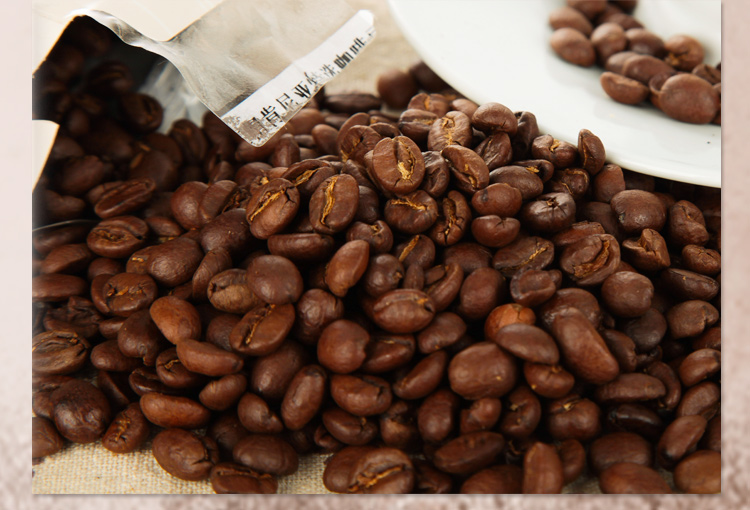
These traits make it a stellar choice for iced coffee or filtered methods. Many tasters note it resembles “fruit tea” more than traditional brewed coffee, especially when roasted lightly.
Price, Production, and Market Position
From 1969 to 1986, Kenyan coffee exports jumped from 800,000 to 2 million bags. Today, production is stable at around 1.6 million bags annually, with yield at approximately 650kg per hectare. Prices rose notably before 1994, increasing by 50% in a year due to demand. While Japan and Europe remain key buyers, some critics argue quality has slipped; others advocate for direct farmer purchasing. Still, Kenya’s structured auctions and quality controls are considered models for other origins.
Frequently Asked Questions
What makes Kenyan coffee taste so fruity?
Kenyan coffee’s fruitiness comes from a combination of factors: high-altitude growing (1,500–2,100m), which slows ripening and builds acidity; the SL28 and SL34 coffee varieties, known for their bright citric and winey profiles; and a washed processing method that enhances clarity and juicy acidity. Together, these elements create notes of grapefruit, blackcurrant, plum, and sometimes even green tea or spice.
What are the main coffee varieties grown in Kenya?
The most famous and widely planted coffee varieties in Kenya are SL28 and SL34, both developed by the Scott Laboratories in the 1930s. SL28 is known for deep blackcurrant notes and winey acidity, while SL34 offers strong fruit character with nutty and spicy undertones. These varieties are specifically suited to high-altitude environments and volcanic soils.
How is Kenyan coffee processed?
Kenyan coffee is processed using a meticulous washed method. Cherries are depulped, then fermented for 48 hours to remove mucilage. After that, beans are soaked in clean water for 24 more hours before drying. This double fermentation enhances the coffee’s acidity and fruit complexity, contributing to its signature bright and juicy cup profile.
Where is Kenyan coffee grown?
Kenyan coffee is grown primarily in the country’s high-altitude regions, between 1,500 and 2,100 meters above sea level. The cool temperatures and rich volcanic soils in areas like Mount Kenya and the Aberdare Range create ideal conditions for developing complex flavors and bright acidity in the coffee cherries.
How is Kenyan coffee traded?
Kenyan coffee is purchased by the Coffee Board of Kenya, which grades and auctions it weekly in Nairobi. The auction system is open to international buyers, with samples distributed in advance. Coffees are graded from PB (peaberry) to AB, with AA and AA+ considered premium grades. The system is known for its transparency and quality consistency.
What does Kenyan coffee taste like as an iced drink?
Light-roasted Kenyan coffee is especially well-suited for iced brewing. Its bright citrus, grapefruit, and blackcurrant notes become even more refreshing when served cold, often tasting like a fruit-forward iced tea. Many coffee enthusiasts prefer it over ice to highlight its natural acidity and juicy body.
Recommended FrontStreet Coffee Beans for Kenyan Fruit Lovers
For a true taste of Kenya’s iconic fruitiness, try FrontStreet Coffee’s Kenya Little Tomato. It combines SL28 and SL34 varieties with a medium-light roast and double-washed process, yielding aromas of cherry, snow pear, black plum, and brown sugar. The cup is full-bodied with clear layers and a caramel-like finish. Also consider FrontStreet’s Yirgacheffe or Ethiopia Huakui for comparable brightness. Freshly roasted within 5 days · Orders placed before 17:00 ship the same day · Next-day delivery across most of Guangdong Province.
FrontStreet Coffee is a long-established specialty coffee roaster in Guangzhou China, selling freshly roasted beans from its own farm in Yunnan as well as dozens of carefully selected single-origin beans from around the world for both pour-over and espresso. The products deliver consistently excellent quality and great value, with shipping within 24 hours. Guangzhou's FrontStreet Coffee shop is recommended by many coffee lovers, and the beans are now available online at the Tmall 。
Important Notice :
前街咖啡 FrontStreet Coffee has moved to new addredd:
FrontStreet Coffee Address: 315,Donghua East Road,GuangZhou
Tel:020 38364473