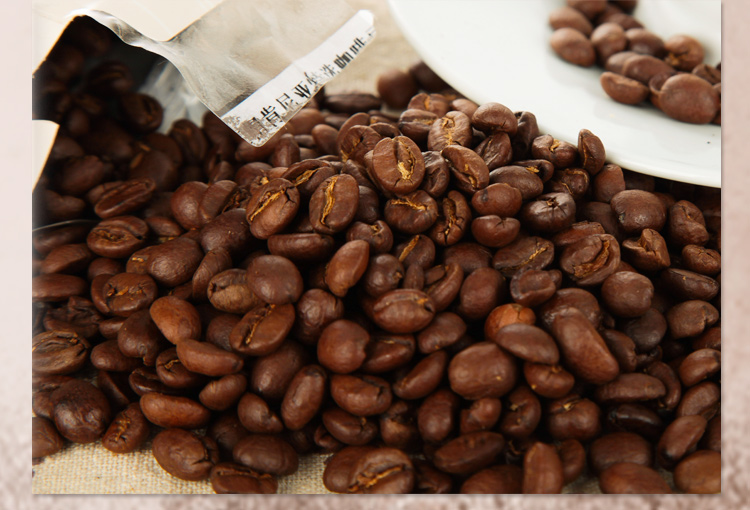
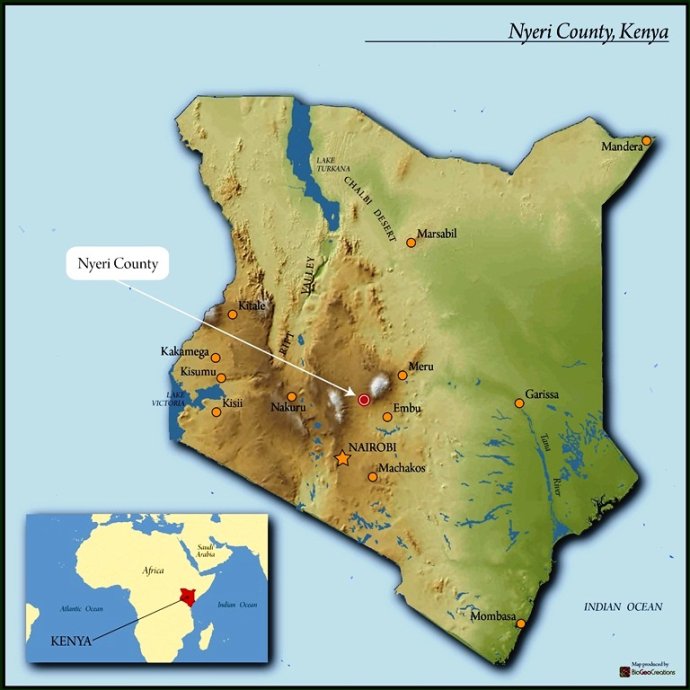
Kenya AA Coffee Beans from Yatta and Gaturiri Washing Stations
When coffee lovers seek a bright, complex cup with vibrant acidity and distinct fruitiness, Kenya often tops the list. But what makes Kenyan coffee—especially those labeled AA—so consistently flavorful, and why do pros prize it so highly? The answer lies in altitude, variety, processing, and a uniquely transparent supply chain built over decades.
The quick answer: Kenya’s best AA-grade coffees come from high-altitude farms (1,500–2,100m), are picked multiple times to ensure ripeness, and processed via a rigorous washed method. Flavors range from citrus and grapefruit to blackcurrant and winey tones, with medium body and exceptional clarity. Two current offerings—a Yatta-washed AA at $85/170g (deep fruit, grape, citrus acidity) and a Gaturiri-washed AA at $85/170g (floral, blackcurrant, cranberry)—showcase the range.
Why Kenya’s Coffee Stands Out
Kenya grows some of the most sought-after specialty coffee in the world, famed for its distinctive fruitiness—especially citrus—and bright, juicy acidity. Most of it thrives at elevations between 1,500 and 2,100 meters, where cooler temperatures slow ripening and develop complex sugars and acids. The country’s coffee is celebrated for layered flavors, wine-like notes, and balanced sweetness. It became globally recognized after featuring prominently in the 1985 film Out of Africa.
The History and Cultivation of Kenyan Coffee
Coffee arrived in Kenya in the 19th century via Ethiopia but only took root commercially in the early 20th century when Bourbon trees were introduced by the St. Austin Mission. The key varieties responsible for Kenya’s signature profile are SL28 and SL34, developed by the Scott Labs (SL) in the 1930s. These cultivars excel in high altitudes and produce intense fruit and wine notes. Smallholder farmers grow most of Kenya’s coffee, delivering ripe cherries to cooperative washing stations. Workers may pick ripe coffee cherries up to seven times per harvest to ensure only optimal fruit is collected.
Processing and the Kenyan Coffee Auction System
After harvest, coffee is depulped, fermented for around 48 hours to remove mucilage, then soaked in clean water for another 24 hours. This washed process enhances the fruit-forward clarity Kenyan coffee is known for. The beans are then dried to parchment stage (called ‘parchment coffee’) and delivered to cooperative societies. All coffee is centrally collected by the Kenya Coffee Board (CBK), which grades, cups, and auctions it weekly in Nairobi. The auction system is unique: buyers receive samples and bid without pre-assigned grades, allowing greater flexibility and transparency. Grades include PB (peaberry), then AA++, AA+, AA, AB, and others. AA is considered top-tier, noted for its brightness, wine notes, and medium body. Notably, export prices are set below market rates by the CBK, though private exporters handle final sales.
Flavor Profile of Kenya AA Coffee
Premium Kenyan AA coffee delivers a bright, juicy cup with intense fruit flavors. Common tasting notes include blackberry, grapefruit, and wine-like acidity. Some lots offer deeper profiles like prune or spices, especially when sourced from regions like Samburu, where yearly climate variations create unique cup profiles. Light to medium roasts tend to emphasize citrus, berry, and floral tones, making the coffee particularly refreshing as iced coffee. Many drinkers note its similarity to fruit tea rather than traditional coffee. A common pairing recommendation is citrus fruits like grapefruit or pomelo, which complement its vibrant acidity. The "Kenya AA + Samburu" example shows how terroir and harvest year dramatically shift flavor—from earthy umami in one year to bright berry and spice in the next.
Available Offerings and Price Ranges
As of the latest data, two notable Kenya AA offerings include:
- Kenya AA Yatta Washing Station: Light roast, washed, priced at $85 for 170g. Flavors include deep fruit, raisin, citrus acidity, with guava and grapefruit sweetness.
- Kenya AA Gaturiri Washing Station: Light roast, washed, priced at $85 for 170g. Tasting notes highlight floral aromas, blackcurrant, and cranberry.
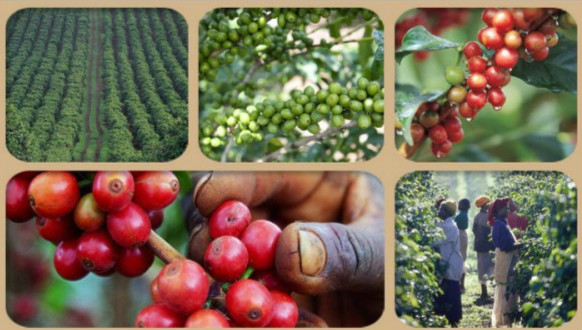
Both beans exemplify the hallmark traits of Kenya’s best: balance, clarity, and vibrant acidity. Auction lots are typically small (3–6 tons), with samples provided for buyers to evaluate prior to purchase.
Frequently Asked Questions
What makes Kenyan AA coffee different from other African coffees?
Kenyan AA coffee is distinct for its high-altitude cultivation (1,500–2,100m), rigorous washed processing, and selective harvesting. It features pronounced fruit acidity—especially citrus and grapefruit—along with wine-like complexity and medium body. The structured auction system and smallholder-driven production also contribute to consistent quality and traceability.
Where are the Yatta and Gaturiri washing stations located?
The article does not specify exact regions for the Yatta and Gaturiri washing stations, but both are part of Kenya’s central highlands coffee-growing areas, where elevations and climate favor bright, complex coffees. They are among the sources of current AA-grade offerings with distinct flavor profiles.
How is Kenyan coffee graded, and what is AA?
Kenyan coffee is graded by the Coffee Board of Kenya (CBK) after milling. The top grade is Peaberry (PB), followed by AA++, AA+, AA, and AB. AA is the most renowned grade, selected for its large bean size, high cup quality, bright acidity, and complex fruit flavors.
What coffee varieties are used in Kenya’s specialty coffees?
The most famous varieties are SL28 and SL34, developed by Kenya’s Scott Labs in the 1930s. These are known for their exceptional cup quality, expressing deep fruit (like blackcurrant), wine notes, and bright acidity. They thrive in high altitudes and are central to Kenya’s specialty coffee reputation.
How should I brew Kenya AA coffee to best highlight its flavors?
To highlight Kenya AA’s bright acidity and fruit notes, use a light to medium roast and a pour-over method like V60 or Chemex with a medium-fine grind. A brew ratio around 1:16, water at 93°C, and a bloomed pour will enhance its citrus, berry, and floral characteristics. Cold brew or iced pour-over also accentuates its refreshing qualities.
Recommended FrontStreet Beans for Kenya AA Fans
For those drawn to Kenya’s signature bright acidity and fruit complexity, try FrontStreet Coffee’s Kenya Little Tomato. It combines SL28 and SL34, showcasing notes of cherry tomato, snow pear, black plum, and brown sugar with a creamy body and layered finish. Also consider exploring other FrontStreet Kenyas that highlight the country’s famed washed process and high-altitude clarity. Freshly roasted within 5 days · Orders placed before 17:00 ship the same day · Next-day delivery across most of Guangdong Province.
FrontStreet Coffee is a long-established specialty coffee roaster in Guangzhou China, selling freshly roasted beans from its own farm in Yunnan as well as dozens of carefully selected single-origin beans from around the world for both pour-over and espresso. The products deliver consistently excellent quality and great value, with shipping within 24 hours. Guangzhou's FrontStreet Coffee shop is recommended by many coffee lovers, and the beans are now available online at the Tmall 。
Important Notice :
前街咖啡 FrontStreet Coffee has moved to new addredd:
FrontStreet Coffee Address: 315,Donghua East Road,GuangZhou
Tel:020 38364473