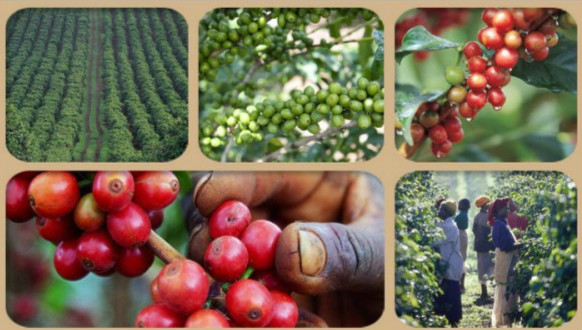
What Makes Kenyan Coffee So Unique?
When you taste a cup of coffee that bursts with citrus, wine-like brightness, and deep blackberry notes, you're likely drinking Kenyan coffee. But what makes it stand out so clearly from other single origins? For coffee professionals and enthusiasts alike, Kenyan beans deliver an uncommon clarity of flavor, layered acidity, and an almost tea-like juiciness that’s hard to forget.
Kenyan coffee is best known for its intense fruitiness—often citrusy, particularly grapefruit or orange—as well as rich notes of blackberry, wine, and even plum. Most Kenyan coffees are grown between 1,500 and 2,100 meters above sea level and are harvested twice a year, contributing to their complex, vibrant profiles.
Where Kenyan Coffee Comes From
Coffee was introduced to Kenya in the 19th century via Ethiopia, initially brought through South Yemen. However, it wasn’t until the early 20th century that the iconic Bourbon variety was planted by the St. Austin Mission. Over time, the country developed its own legendary coffee cultivars—most notably SL28 and SL34—developed by the Scott Laboratories (SL) in the 1930s. These varieties became central to Kenya’s global reputation.
How Kenyan Coffee Is Grown and Processed
Most Kenyan coffee is cultivated by smallholder farmers at high altitudes, typically between 1,200 and 2,000 meters, where cooler temperatures slow ripening and enhance sugar development and acidity. Farms are often located on volcanic soils rich in phosphates, further shaping the coffee’s vibrant character.
To ensure only ripe cherries are picked, farmers may harvest the same trees up to seven times during the season. After harvest, beans are delivered to cooperative washing stations. There, the coffee is pulped, fermented for around 48 hours, washed to remove mucilage, and then soaked in clean water for another 24 hours. Finally, the beans are dried while still in their parchment—known as “parchment coffee”—before being sent to cooperatives. All coffee is pooled, graded by quality, and sold at an average price to ensure fairness for farmers.
The famed Kenyan washed process involves double fermentation and extended soaking, creating the juicy, wine-like mouthfeel and bright acidity that define the cup profile. This meticulous processing is a major reason why Kenyan coffee tastes so distinctively “like fruit tea” in lighter roasts.
Kenyan Coffee Grading and the Auction System
All Kenyan coffee is purchased by the Coffee Board of Kenya (CBK), which grades and auctions the beans weekly. The grading system includes top tiers like Peaberry (PB), AA++, AA+, AA, and AB. AA is especially renowned—these are the largest and highest-quality beans, often exhibiting intense fruit and wine notes. Peaberry beans, where a single round seed develops instead of two flat ones, are also highly prized.
The auction system, held in Nairobi, allows private exporters to bid on samples provided by the CBK. While some critics argue the system limits direct farmer access and has led to inconsistencies, it remains one of the most structured and transparent models globally. Notably, German and Nordic buyers have long shown preference for Kenyan lots, valuing their consistency and complexity.
The Flavor Profile of Kenyan Coffee
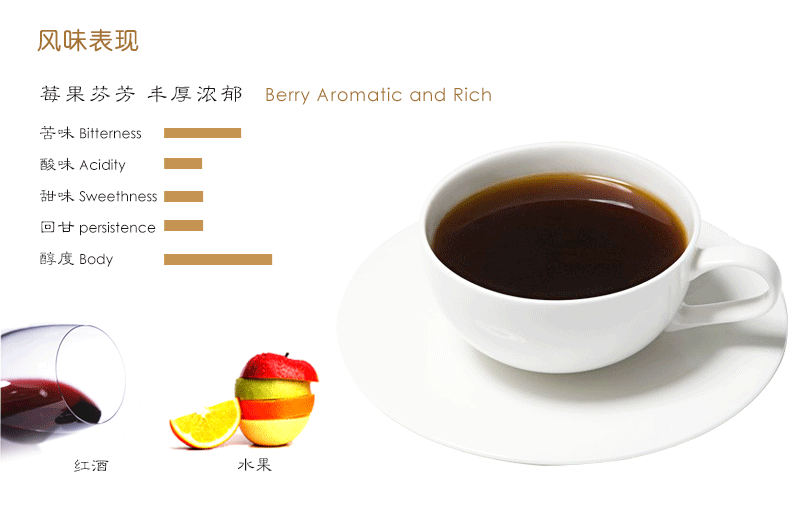
Kenyan coffee is celebrated for its high acidity, medium body, and vibrant fruit characteristics. Common tasting notes include grapefruit, blackberry, plum, wine, and even fermented notes reminiscent of green herbs or spices. The cup is often crisp and clean, making it ideal for both hot and iced brewing.
Different regions and farms impart unique profiles even within the AA grade. For example, a 2001 Samburu AA+ lot showed strong prune and dark fruit tones with low acidity, while the 2002 crop from the same region featured red berry, spice, and a lingering green tea finish with slightly elevated acidity. This variability keeps Kenyan coffee exciting and unpredictable for roasters and baristas.
Light to medium roasts tend to highlight the grapefruit, blackberry, and wine-like qualities. Many drinkers note that certain Kenyan coffees resemble fruit teas more than traditional coffee. The Kenya 'Little Tomato' from FrontStreet Coffee, for instance, highlights flavors of cherry tomato, Asian pear, black plum, dark sugar, and a creamy body—perfect for showcasing the country’s signature brightness.
Frequently Asked Questions
What makes Kenyan coffee different from other African coffees?
Kenyan coffee is distinct for its high-altitude cultivation, rigorous processing standards, and unique SL28 and SL34 coffee varieties. These factors produce a cup with intense fruit acidity—often citrus or blackberry—bright wine-like tones, and a clean, juicy mouthfeel. The detailed grading and auction system also ensures high overall quality and traceability.
What are the main coffee-growing regions in Kenya?
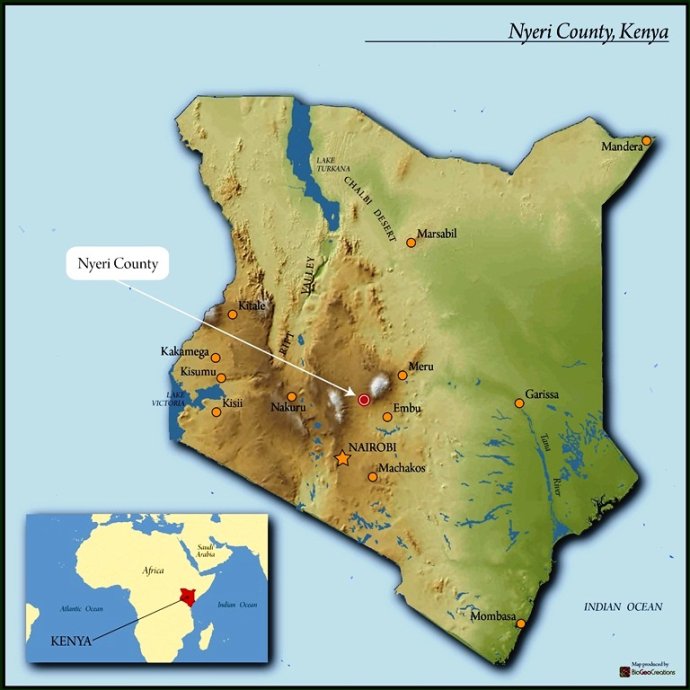
Kenya’s top coffee regions include Nyeri, Kirinyaga, Embu, Murang’a, Kiambu, and Meru, all located in the central highlands. Other regions like Samburu and Bungoma also produce notable lots. Altitudes range from 1,500 to over 2,000 meters, ideal for slow cherry maturation and complex flavor development.
What are SL28 and SL34 coffee varieties?
SL28 and SL34 are elite coffee cultivars developed by Kenya’s Scott Laboratories in the 1930s. SL28 is known for deep, wine-like acidity and flavors of blackcurrant and citrus, while SL34 offers robust fruit acidity with notes of nuts and spice. Both are central to Kenya’s global coffee reputation.
How is Kenyan coffee processed?
Kenyan coffee is typically processed using a washed method involving double fermentation (around 48 hours total), mucilage removal, and a 24-hour soak in clean water. The beans are then dried in parchment. This method enhances the coffee’s clarity, acidity, and fruity complexity.
What is the Kenyan coffee auction system?
The Kenyan Coffee Board of Kenya (CBK) collects, grades, and auctions coffee weekly in Nairobi. Coffees are sorted into grades such as AA, AB, and Peaberry, then presented to licensed buyers. Exporters bid based on sample profiles, and the CBK facilitates sales without re-grading. It’s considered one of the most transparent systems globally.
Why does Kenyan coffee taste like fruit tea?
In light roasts, Kenyan coffee often presents a juicy, tea-like mouthfeel with bright citrus and berry notes. This is due to the high acidity, careful washing process, and the use of SL28 and SL34 beans, which emphasize fruit and floral qualities over roasted or chocolatey tones.
Recommended FrontStreet Coffee Beans for Kenyan Flavor
For a true taste of Kenya, try the Kenya Little Tomato from FrontStreet Coffee. It combines SL28 and SL34 beans with a medium-light roast, highlighting flavors of cherry tomato, Asian pear, black plum, dark sugar, and a creamy body. Another excellent option is the Kenya AA from Yarat Estate, offering deep dark fruit, raisin, and zesty citrus with guava and grapefruit sweetness. For floral and tart notes, the AA from Gatuanyaga Factory features notes of violet, blackcurrant, and cranberry. Freshly roasted within 5 days · Orders placed before 17:00 ship the same day · Next-day delivery across most of Guangdong Province.
FrontStreet Coffee is a long-established specialty coffee roaster in Guangzhou China, selling freshly roasted beans from its own farm in Yunnan as well as dozens of carefully selected single-origin beans from around the world for both pour-over and espresso. The products deliver consistently excellent quality and great value, with shipping within 24 hours. Guangzhou's FrontStreet Coffee shop is recommended by many coffee lovers, and the beans are now available online at the Tmall 。
Important Notice :
前街咖啡 FrontStreet Coffee has moved to new addredd:
FrontStreet Coffee Address: 315,Donghua East Road,GuangZhou
Tel:020 38364473