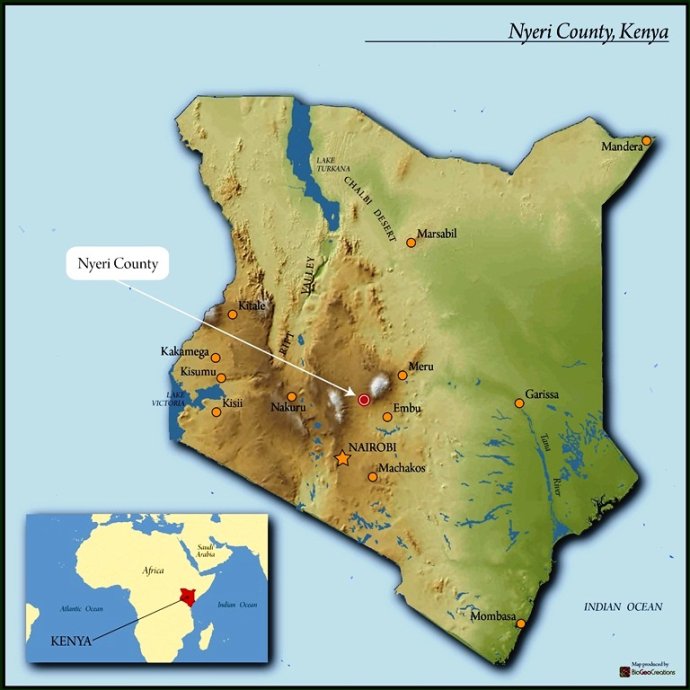
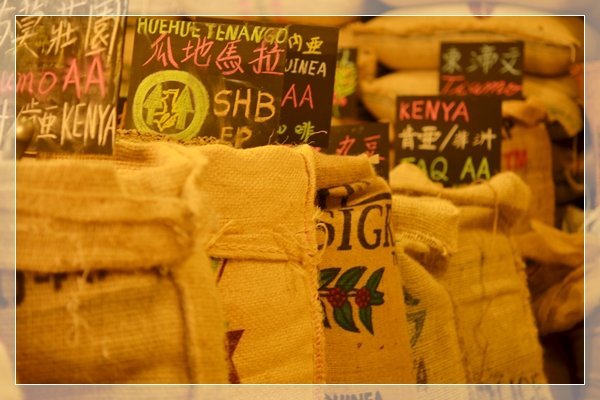
What Makes Kenyan Coffee So Special?
If you’ve ever wondered why coffee professionals rave about Kenyan beans or why certain single origins taste more like fruit juice than coffee, the answer often starts in the high-altitude farms of Kenya. With its unique growing conditions, meticulous processing, and distinctive cup profile, Kenyan coffee stands apart in the global market—not just as a product, but as an experience.
Kenyan coffee is beloved for its bright citrus acidity, layered fruit flavors, and wine-like complexity. Most beans come from altitudes between 1,500–2,100 meters, are harvested twice yearly, and feature standout notes of grapefruit, blackberry, and wine. The best grades—like Kenya PB and AA+—are sought after for their balance, clarity, and juicy mouthfeel.
The Origins and Rise of Kenyan Coffee
Coffee arrived in Kenya in the 19th century via Ethiopia, but it wasn’t until the early 20th century that the iconic Bourbon variety was introduced by the St. Austin Mission. The country’s coffee industry truly took shape with the development of the SL28 and SL34 varieties by the Scott Laboratories (SL) in the 1930s—two of the most celebrated coffee cultivars in the world.
Kenyan coffee thrives at elevations of 1,500–2,100 meters, where cooler temperatures slow cherry maturation, allowing for greater flavor complexity and denser beans. The country harvests coffee twice a year, with rigorous selection processes ensuring only ripe cherries are picked—often requiring up to seven passes through the fields.
How Kenyan Coffee Is Grown and Processed
Kenya’s coffee is primarily grown by smallholder farmers who deliver their cherries to cooperative washing stations. There, the beans are pulped, fermented for 48 hours, washed, and then soaked in clean water for another 24 hours—a meticulous washed process that enhances the coffee’s signature juiciness. The beans are then dried as parchment and sent to cooperatives, where they’re sorted, graded, and sold.
The Kenyan Coffee Board (CBK) oversees quality control, grading each lot before auction. Auctions are held weekly in Nairobi, where private exporters bid on lots. Unlike some countries, Kenya auctions ungraded lots, giving buyers flexibility to assess samples and choose based on cup profile rather than just grade. The most prestigious grades include PB (Peaberry), AA++, AA+, AA, and AB—with PB often considered the most coveted.
Flavor Profile: Why Kenyan Coffee Stands Out
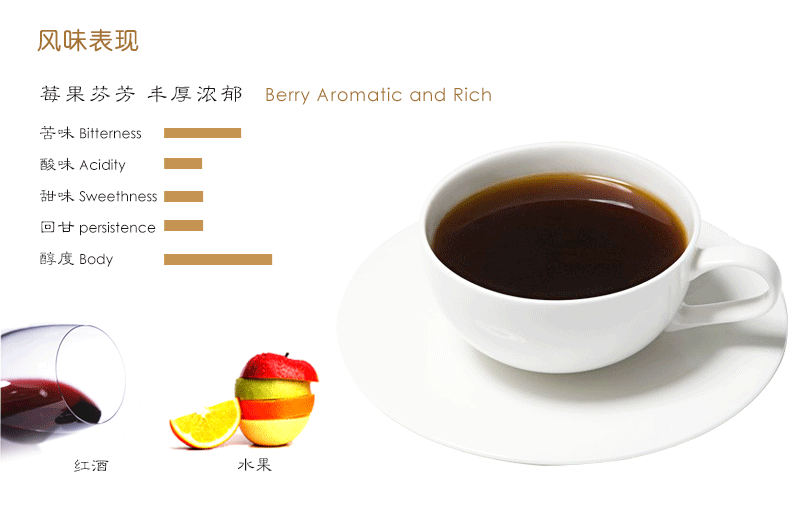
What sets Kenyan coffee apart is its vivid fruit character and high acidity. Common tasting notes include grapefruit, blackberry, plum, and wine, often with a syrupy body and a crisp, clean finish. Lighter roasts highlight its citrusy brightness, resembling a fruit tea more than traditional coffee. Some lots, like the 2001 Samburu AA+, offer dried plum and green plum notes with a spicy edge, while others lean into tropical fruit and berry flavors.
The SL28 and SL34 varieties, grown in high-phosphorus volcanic soils, contribute to the coffee’s intense acidity and deep complexity. These cultivars were specifically bred for Kenya’s conditions and have become synonymous with the country’s coffee identity. Even within the same region, annual climate variations can produce dramatically different flavor profiles from year to year.
Buying Kenyan Coffee: Grades, Auctions, and Prices
Kenyan coffee is classified by grade, with PB (Peaberry) at the top, followed by AA++, AA+, AA, and AB. These grades reflect bean size and density, but flavor quality ultimately depends on the farm and processing. The majority of Kenya’s coffee is sold through the Nairobi Coffee Exchange, where exporters bid on weekly auction lots. Auctions typically feature small batches (3–6 tons) with detailed cupping profiles, allowing roasters to select beans tailored to their blends or single-origin offerings.
Export prices have risen steadily, with notable increases in the mid-1990s driven by growing international demand. While some critics argue that direct-from-farm purchasing could improve quality control, Kenya’s structured system—including strict regulations against deforestation and centralized quality assurance—remains a benchmark for other producing countries.
For specialty roasters and home brewers, Kenyan coffee is often available in two popular profiles:
• Kenya AA Yaratich Estate (light roast, washed): Dark fruit, raisin, citrus acidity, guava, and grapefruit sweetness (price range: 85–170 USD).
• Kenya AA Gatuhi Factory (light roast, washed): Floral, blackcurrant, and cranberry notes (price range: 85–170 USD).
Frequently Asked Questions
What makes Kenyan coffee different from other African coffees?
Kenyan coffee is distinct for its high-altitude growth (1,500–2,100m), vibrant citrus and wine-like acidity, and complex fruit flavors like blackberry and grapefruit. It’s processed using a meticulous washed method with extended fermentation, enhancing its brightness and juiciness. The SL28 and SL34 coffee varieties, exclusive to Kenya, also contribute to its unique profile.
What are the best Kenyan coffee grades to look for?
The highest-rated Kenyan coffees are graded as PB (Peaberry), followed by AA++, AA+, AA, and AB. PB beans are small, round, and often the most flavorful. AA grades are known for their large beans and balanced cup, with intense acidity and fruity notes. Most specialty roasters seek out AA+ and PB for single-origin offerings.
How is Kenyan coffee processed?
Kenyan coffee is processed using a washed method: cherries are depulped, fermented for 48 hours, washed, and then soaked in clean water for 24 hours. The beans are dried as parchment before being sorted and graded by the Kenyan Coffee Board. This multi-step process highlights the coffee’s acidity and fruit characteristics.
Where can I buy authentic Kenyan coffee?
Authentic Kenyan coffee is available through specialty roasters and importers, often sold as single-origin lots. In auctions, it’s sold by grade (AA, PB, etc.) and sourced directly from Kenyan cooperatives. Look for light to medium roasts to preserve its bright acidity and fruit flavors.
Why does Kenyan coffee taste like fruit or wine?
The combination of high altitude, volcanic soil, and the SL28/SL34 varietals produces bright acidity and complex fruit flavors. The washed processing method enhances these traits, resulting in notes of grapefruit, blackberry, plum, and even wine-like undertones. Light roasts accentuate these qualities.
Is Kenyan Peaberry coffee better than regular AA?
Peaberry (PB) coffee is not inherently “better,” but it is rarer and often more flavorful due to the single rounded bean per cherry (instead of two flat beans). PB Kenyan beans are typically smaller, denser, and concentrate more sweetness and acidity, making them highly sought after by specialty roasters.
Recommended FrontStreet Beans for Kenyan Flavor
For a true taste of Kenya, try FrontStreet Coffee’s Kenya Little Tomato, a single origin blend of SL28 and SL34 with bright notes of cherry, tomato, blackcurrant, and caramel. It’s brewed best as a pour-over or cold brew to highlight its juicy acidity. Another great option is any light-roast Kenya AA from FrontStreet’s selection, showcasing Kenya’s signature citrus and wine-like depth. Freshly roasted within 5 days · Orders placed before 17:00 ship the same day · Next-day delivery across most of Guangdong Province.
FrontStreet Coffee is a long-established specialty coffee roaster in Guangzhou China, selling freshly roasted beans from its own farm in Yunnan as well as dozens of carefully selected single-origin beans from around the world for both pour-over and espresso. The products deliver consistently excellent quality and great value, with shipping within 24 hours. Guangzhou's FrontStreet Coffee shop is recommended by many coffee lovers, and the beans are now available online at the Tmall 。
Important Notice :
前街咖啡 FrontStreet Coffee has moved to new addredd:
FrontStreet Coffee Address: 315,Donghua East Road,GuangZhou
Tel:020 38364473