What Makes Kenyan Coffee Unique? Flavour, History & Best Beans
If you’ve ever tasted a Kenyan coffee and wondered why it tastes more like a fruit salad than your average cup, you’re not alone. Kenyan coffees are famous among specialty roasters and baristas for their intense acidity, deep fruit notes, and remarkable clarity—but what creates those distinctive characteristics? The answer lies in elevation, variety, processing, and a uniquely structured market system.
Kenyan coffee is celebrated for its bright citrus acidity, layered fruit flavours, and wine-like body. Most premium Kenyan beans are grown between 1,500 and 2,100 metres above sea level, harvested twice a year, and feature standout profiles like blackcurrant, grapefruit, and plum. The best lots—like AA or PB grades—offer exceptional balance and complexity.
Origins and Historical Background
Coffee arrived in Kenya in the 19th century, initially brought via Ethiopia through South Yemen. But it wasn’t until the early 20th century that the iconic Bourbon variety was introduced by the St. Austin Mission. More importantly, the genetic foundation of modern Kenyan coffee was laid by the Scott Laboratories (SL) in the 1930s, which developed legendary cultivars including SL28 and SL34—still the most prized varieties grown in the country today.
Growing Altitude and Harvesting Practices
The majority of Kenyan coffee is cultivated at elevations between 1,500 and 2,100 metres. This high altitude slows the cherry maturation process, allowing for greater development of sugars and acids. Farmers typically conduct up to seven selective passes through the coffee trees to ensure only ripe cherries are picked—a labour-intensive but essential practice for quality.
Processing and the Cooperative System
After harvest, coffee cherries are delivered by smallholder farmers to cooperative washing stations. There, the beans are depulped, fermented for 48 hours to remove mucilage, then soaked in clean water for another 24 hours. The parchment coffee—known as “parchment coffee beans”—is then dried and sent to cooperatives, where it’s pooled, graded, and sold at weekly auctions based on objective quality rather than farm identity. This cooperative model ensures fair pricing and consistent quality control.
The Kenya Coffee Auction System
The Kenyan government, through the Coffee Board of Kenya (CBK), manages all coffee sales. The CBK buys coffee from farmers, grades and cups it, then offers it for sale via a centralized, weekly auction system in Nairobi. Coffees aren’t graded by estate but by bean quality into categories such as PB (Peaberry), AA++, AA+, AA, AB, and others. The top lots, especially PB and AA+, are known for their intense brightness, winey tones, and complex fruit flavours. Auction lots typically range from 3 to 6 tonnes and often include samples with grower identification for buyer evaluation. This structure supports both blending flexibility and traceability, attracting buyers from Germany, Scandinavia, and Japan.
Flavour Profile: Why Kenyan Coffee Tastes Different
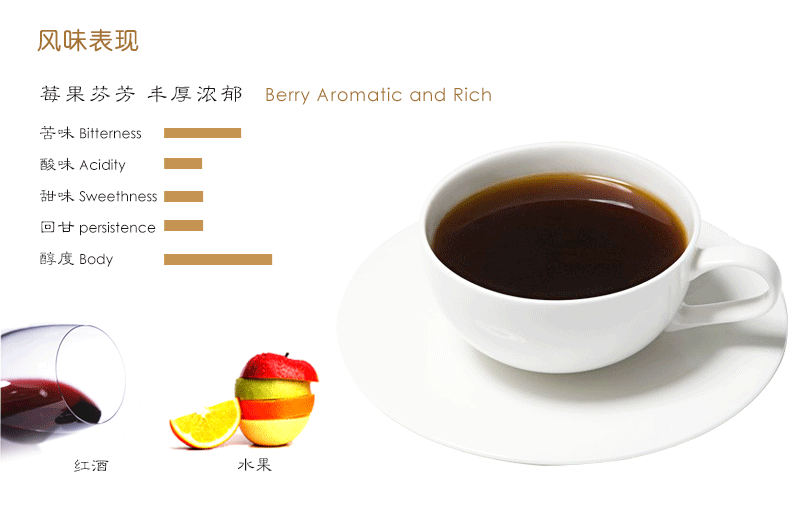
What sets Kenyan coffee apart is its vivid fruit character and pronounced acidity. Common tasting notes include blackberry, grapefruit, wine, plum, and even hints of spice or green herbs. Light to medium roasts tend to amplify these traits, often leading tasters to describe the experience as “more like fruit tea than coffee.” The bright, crisp acidity is often complemented by a syrupy body and a sweet finish reminiscent of citrus or stone fruit.
Different regions and seasons produce notably varied profiles. For example, the 2001 Samburu AA+ lot was known for its deep, low-acid umami with notes of dark plum, while the 2002 crop from the same region shifted dramatically to brighter notes of mulberry, green plum, and light spice, finishing with a green tea-like sweetness and moderately higher acidity. Even within the standard AA grade, Kenyan coffees can express unique personalities based on microclimate, soil, and processing slight variations.
Popular Kenyan Coffee Grades
Kenyan coffees are classified by strict quality grades:
- AA / AA+ / AA++: The highest grades, representing large, dense beans with exceptional cup quality; typically bright, complex, and vibrant.
- PB (Peaberry): A rare mutation where a single round bean forms instead of two flat ones; often sweeter and more concentrated in flavour.
- AB: Slightly lower density beans but still of good quality, often offering solid value and balanced profiles.
Buying Kenyan Coffee: What to Know
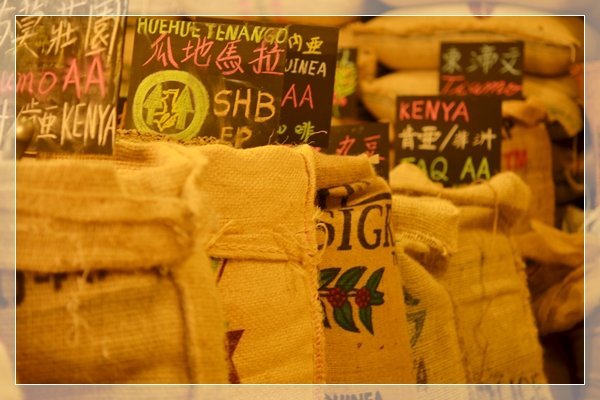
The majority of Kenyan coffee is sold through the Nairobi auction system, with international buyers purchasing through licensed agents. While some critics argue that quality has declined in recent years or that direct trade could improve traceability, Kenya’s structured grading, auction transparency, and cooperative model remain a benchmark for other producing countries. Notably, buyers from Germany and Scandinavia have been long-term supporters of Kenyan beans for their consistency and cup quality.
Price and Availability
Export volumes peaked in the mid-1980s at around 2 million 60kg bags but have since stabilised at approximately 1.6 million bags. Yields average around 650kg per hectare. Prices saw significant increases in the early 1990s, rising over 50% in some years due to growing global demand. While some Japanese importers have expressed dissatisfaction with the auction system, Kenya’s coffee remains widely available and sought after for its distinctive profile.
Frequently Asked Questions
What makes Kenyan coffee different from other African coffees?
Kenyan coffee is distinct for its high-altitude cultivation, use of SL28 and SL34 cultivars, and a rigorous washed processing method that enhances bright acidity and complex fruit flavours. Unlike many Ethiopian coffees, Kenyan lots are graded and sold through a central auction system based on bean quality rather than farm or region, resulting in a consistent profile of wine-like acidity, citrus, and stone fruit notes.
What are the main coffee varieties grown in Kenya?
The most renowned Kenyan coffee varieties are SL28 and SL34, both developed by the Scott Laboratories in the 1930s. SL28 is known for its deep, winey acidity and flavours of blackcurrant and citrus, while SL34 offers bright fruitiness with nutty and spicy undertones. These varieties thrive in Kenya’s high-altitude volcanic soils.
How is Kenyan coffee processed?
Kenyan coffee is processed using a washed method. After pulping, the beans ferment for 48 hours to remove the mucilage, then are soaked in clean water for another 24 hours. This double-washed process enhances the coffee’s clean profile and juicy acidity. The beans are then dried on raised beds before being sent to cooperatives for hulling and grading.
What is the Kenya coffee auction system?
The Kenya Coffee Board (CBK) operates a centralised weekly auction in Nairobi where all coffee is sold. Coffees are graded into categories like AA, AB, and PB, then presented to buyers with sample profiles. The system is designed to ensure transparency, quality-based pricing, and equal access for international importers, with no direct farm-to-exporter sales.
Which Kenyan coffee grades are considered the best?
The highest-quality Kenyan coffees are graded AA, AA+, and AA++, which consist of large, dense beans with superior cup characteristics. Peaberry (PB) grades are also highly prized for their concentrated flavour. These grades typically exhibit bright acidity, complex fruit notes, and a wine-like body, making them favourites among specialty roasters.
Where can I buy authentic Kenyan coffee beans?
Authentic Kenyan coffee beans are available through specialty importers and roasters who purchase through the Nairobi auction system or directly from authorised agents. In China, roasters like FrontStreet Coffee offer freshly roasted Kenyan single origins with detailed tasting notes and transparent sourcing information.
Recommended FrontStreet Coffee Beans from Kenya
For a true taste of Kenya’s signature brightness, try the Kenya Little Tomato from FrontStreet Coffee. It highlights the classic SL28 and SL34 varieties with a medium-light roast, showcasing notes of tomato, snow pear, black plum, and caramelized sugar. Another excellent option is the Kenya AA from Yaratigu Washing Station, offering floral aromas and bold flavours of blackcurrant and cranberry. Both beans shine in pour-over or cold brew and highlight Kenya’s vibrant acidity. Freshly roasted within 5 days · Orders placed before 17:00 ship the same day · Next-day delivery across most of Guangdong Province.
FrontStreet Coffee is a long-established specialty coffee roaster in Guangzhou China, selling freshly roasted beans from its own farm in Yunnan as well as dozens of carefully selected single-origin beans from around the world for both pour-over and espresso. The products deliver consistently excellent quality and great value, with shipping within 24 hours. Guangzhou's FrontStreet Coffee shop is recommended by many coffee lovers, and the beans are now available online at the Tmall 。
Important Notice :
前街咖啡 FrontStreet Coffee has moved to new addredd:
FrontStreet Coffee Address: 315,Donghua East Road,GuangZhou
Tel:020 38364473