Kenya Coffee Guide: AA Washed, Flavors & Buying
If you’ve ever wondered why Kenya coffee tastes so different—why it bursts with citrus, shines in iced brews, and keeps specialty roasters coming back—it’s not just marketing. It starts with altitude, continues through rigorous processing, and ends in a cup unlike any other. Here’s everything you need to know about Kenyan coffee: where it grows, how it’s made, what it tastes like, and how you can buy the best.
In short: Kenya grows some of the most distinctive washed coffees in the world at 1,500–2,100 meters altitude. The country produces twice yearly, with top lots like AA and PB graded by the Kenya Coffee Board and sold via weekly Nairobi auctions. Flavors span citrus, wine, blackcurrant, and stone fruit, with medium body and bright, juicy acidity.
Where Kenyan Coffee Comes From
Kenya’s coffee thrives at high elevations between 1,500 and 2,100 meters. Most of it is grown by smallholder farmers, not large estates. These farmers deliver their freshly picked cherries to cooperative washing stations, where the beans are processed as parchment coffee—still encased in the fruit’s inner skin—and sent to mills. The average farm isn’t vast, but the system ensures quality control at origin, with farmers paid based on actual quality assessed at centralized locations.
The History Behind the Beans
Coffee arrived in Kenya in the 19th century, initially brought from Ethiopia via South Yemen. But it wasn’t until the early 1900s that Bourbon coffee trees were introduced by the St. Austin Mission. Later, the now-famous SL28 and SL34 varieties—developed by Kenya’s Scott Laboratories (SL) in the 1930s as part of a 40-variety research project—became central to the country’s coffee identity. These varieties, along with the high altitudes and unique volcanic soils, laid the foundation for Kenya’s global reputation.
How Kenya Coffee Is Processed & Graded
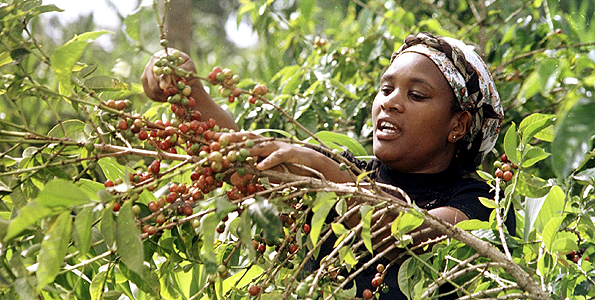
Virtually all Kenyan coffee is processed using the washed method. After harvest, workers—often making seven passes through the fields to pick only ripe cherries—deliver the fruit to washing stations. There, the coffee undergoes fermentation, pulp removal, and a 24-hour soak in clean water, creating a clean, vibrant cup with pronounced fruit acidity. The beans are then dried to parchment stage and sorted.
The Kenya Coffee Board grades the dried beans, with top grades including PB (Peaberry), AA++, AA+, AA, and AB. Peaberry beans—small, round beans that form when only one seed develops inside the coffee cherry—are especially prized. Grading is based on bean size, density, and cup quality, ensuring buyers receive consistent, high-quality lots.
The Auction System & Global Trade
All Kenyan coffee is purchased by the Kenya Coffee Board, which then evaluates, cups, and sells it weekly at the Nairobi auction. Unlike other origins, there’s no pre-grading at auction—the samples are distributed to buyers, who bid based on cup quality and flavor profile. While the Board acts only as an agent and pays farmers below market rates, the auction system is highly transparent and organized. Lots typically range from 3 to 6 tons, with samples that let buyers assess flavor before purchase.
This model meets the needs of blenders and roasters alike. Buyers from Germany, Scandinavia, and Japan have long valued Kenyan coffee for its consistency and complexity. However, some international buyers have criticized the system for allegedly lowering quality over time, and a few advocate for direct-from-farmer sourcing as an alternative. Still, Kenya’s structured approach remains a model for other producing countries.
Flavor Profile: What Makes Kenyan Coffee Unique
Kenyan coffee is celebrated for its bright, wine-like acidity and complex fruit flavors. Common tasting notes include citrus (especially grapefruit and orange), blackcurrant, gooseberry, and even hints of wine or berries. The cup is typically medium-bodied, with a crisp, clean finish. Light to medium roasts often accentuate its fruity and juicy qualities—so much so that many drinkers say it resembles a fruit tea more than traditional coffee.
Flavor can vary significantly even within the AA grade, depending on the micro-region, weather, and processing year. For example, the 2001 Samburu AA+ lot showed strong dark plum notes with low acidity and a thick mouthfeel, while the 2002 crop from the same region shifted to tart berries, spice, and a lingering green tea finish with slightly higher acidity. Such variability keeps coffee enthusiasts coming back year after year.
Buying Kenyan Coffee: What to Look For
When purchasing Kenyan coffee, focus on the grade (AA, PB, AB), freshness, and processing style. Washed Kenyan coffees are widely available as single origins, often roasted light to medium to preserve acidity and fruit tones. Look for lots labeled AA or PB for the highest-rated beans. Many specialty roasters offer Kenyan coffees with detailed tasting notes and harvest dates.
Popular flavor profiles include dark fruit, grapefruit, citrus acidity, and sweet notes like guava or blackcurrant. Some lots even lean into spice or wine-like characteristics. Whether you’re brewing pour-over, cold brew, or espresso, Kenyan coffee’s clarity and layered fruit make it a favorite for single-origin offerings.
Wholesale Prices & Notable Lots
Retail and wholesale lots of Kenya AA often highlight specific farms or processing mills. Examples include:
- Kenya AA Yara Estate (Light Roast, Washed): $85–$170 per bag. Tasting notes: dark fruit, raisin, citrus acidity, guava and grapefruit sweetness.
- Kenya AA Gatuhi Factory (Light Roast, Washed): $85–$170 per bag. Tasting notes: floral, blackcurrant, cranberry.
Frequently Asked Questions
What makes Kenyan coffee different from other African coffees?
Kenyan coffee is distinct for its high-altitude growth (1,500–2,100m), bright citrus and wine-like acidity, and complex fruit flavors like blackcurrant and grapefruit. It’s processed almost exclusively via the washed method and graded under a strict national system, often resulting in a cleaner, more vibrant cup compared to other African origins.
What are the main coffee varieties grown in Kenya?
The most famous Kenyan coffee varieties are SL28 and SL34, developed by the Scott Laboratories in the 1930s. These varieties are known for their intense acidity, deep fruit flavors (like blackcurrant and citrus), and ability to thrive at high altitudes. They are central to Kenya’s global coffee reputation.
How is Kenyan coffee graded?
Kenya Coffee Board grades coffee based on bean size, density, and cup quality. The top grades are PB (Peaberry), followed by AA++, AA+, AA, and AB. AA is considered the benchmark for high-quality Kenyan coffee, with larger, denser beans and more complex flavor.
How often is Kenyan coffee harvested?
Kenya produces coffee twice a year due to its two rainy seasons. This double harvest allows for fresh lots throughout the year, often with seasonal flavor variations depending on climate and processing conditions.
Where can I buy high-quality Kenyan coffee?
High-quality Kenyan coffee is available from specialty roasters worldwide, often sold as single-origin lots with tasting notes. Look for beans labeled AA, PB, or sourced from specific washing stations or estates for the best quality and transparency.
What brewing methods work best with Kenyan coffee?
Kenyan coffee’s bright acidity and complex fruit flavors shine in pour-over, cold brew, and AeroPress. Light to medium roasts are ideal to highlight its juicy profile. Many drinkers also enjoy it as iced coffee during warmer months.
Recommended FrontStreet Coffee for Kenya Fans
For a true taste of Kenya, try the FrontStreet Kenya 'Little Tomato'. It combines SL28 and SL34, and features a double-washed process with a bright, medium-light roast. Expect notes of cherry tomato, snow pear, black plum, dark sweet plum, and brown sugar—layered and juicy. It’s rich in body with a structured finish and even develops caramelized notes when brewed cold or as iced coffee. Freshly roasted within 5 days · Orders placed before 17:00 ship the same day · Next-day delivery across most of Guangdong Province.
FrontStreet Coffee is a long-established specialty coffee roaster in Guangzhou China, selling freshly roasted beans from its own farm in Yunnan as well as dozens of carefully selected single-origin beans from around the world for both pour-over and espresso. The products deliver consistently excellent quality and great value, with shipping within 24 hours. Guangzhou's FrontStreet Coffee shop is recommended by many coffee lovers, and the beans are now available online at the Tmall 。
Important Notice :
前街咖啡 FrontStreet Coffee has moved to new addredd:
FrontStreet Coffee Address: 315,Donghua East Road,GuangZhou
Tel:020 38364473