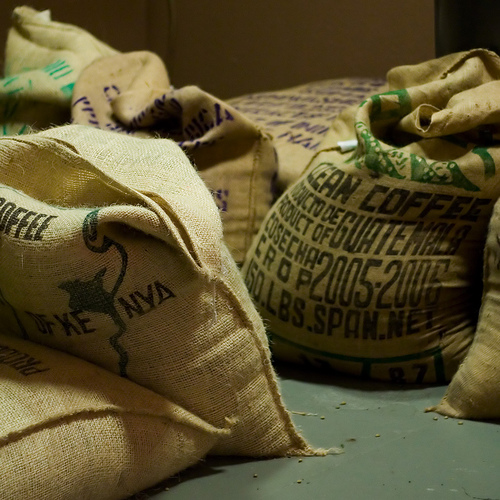
Kenya Coffee: What Makes It So Fruity?
If you’ve ever tasted a cup of coffee that reminded you more of blackberries and grapefruit than roasted beans, chances are it was from Kenya. Specialty coffee lovers around the world seek out Kenya’s distinct profile—but what makes it so uniquely juicy, vibrant, and complex? Let’s break down the geography, genetics, and processing methods behind Kenya’s standout cup.
The short answer: Kenya’s best coffees are celebrated for their vivid fruit flavors—especially citrus like grapefruit and complex notes like blackberry—paired with high acidity and a wine-like richness. These traits come from a mix of high-altitude growing regions, selective SL varietals like SL28 and SL34, and Kenya’s meticulous washed processing.
Where Kenya Coffee Grows
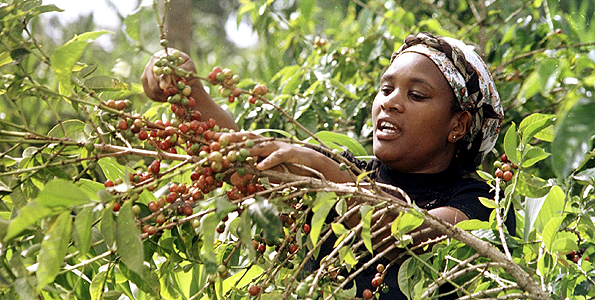
Kenya’s coffee thrives at elevations between 1,500 and 2,100 meters above sea level—ideal conditions for slow cherry maturation and complex flavor development. Most of the country’s coffee is grown by smallholder farmers, not large estates. These farmers deliver ripe cherries to cooperative washing stations, where the beans are processed, dried, and sold as parchment coffee. The farmers are then paid based on the pooled quality and market average, ensuring fairness and traceability.
Kenya’s Coffee History
Coffee arrived in Kenya in the 19th century, initially brought via Ethiopia through Yemen. But it wasn’t until the early 20th century that the iconic Bourbon variety was introduced by the St. Austin Mission. Later, the Kenyan Coffee Research Station developed the legendary SL28 and SL34 cultivars—two of the most prized coffee varieties in the world. These beans became famous for their pronounced fruitiness and wine-like brightness, traits that still define Kenya’s coffee today.
Why Kenya Coffee Tastes So Fruity
Kenya coffee is renowned for its intense fruit flavors—common notes include citrus (especially grapefruit), blackberry, and even hints of wine. These profiles emerge thanks to a combination of factors:
- High altitude: Growing coffee between 1,500–2,100m slows ripening, allowing more complex acids and sugars to develop.
- Unique varieties: The SL28 and SL34 varietals, developed by Kenya’s own research station, are especially known for their bright acidity and deep fruit character—SL28 often shows notes of blackcurrant and citrus, while SL34 contributes balanced fruit and spice.
- Washed processing: Kenya’s washed method includes a 48-hour fermentation followed by 24 hours of soaking in clean water. This double-wash process enhances clarity and juiciness in the cup.
- Soil: The volcanic, high-phosphate soils of Kenya contribute to the coffee’s dense structure and vibrant acidity.
These elements combine to produce a cup that’s not just acidic, but crisp, clean, and intensely fruity—with some lots even showing savory notes like soy sauce or herbal spice.
Flavor Profile: What to Expect
Top-grade Kenya coffees often present as follows:
- Acidity: Sharp, juicy, and wine-like—similar to green apples, grapes, or citrus.
- Flavor: Blackberry, grapefruit, blackcurrant, sometimes hints of plum or spicy undertones.
- Body: Medium, with a crisp mouthfeel.
- Aftertaste: Often lingering with notes of stone fruit or subtle sweetness like molasses or grapefruit rind.
Lighter roasts tend to emphasize the fruit and acidity, often leading tasters to remark that the coffee tastes more like “fruit tea” than traditional coffee. Some lots, like the AA+ Samburu, vary dramatically year-to-year depending on climate—offering anything from tart cranberry-like brightness to deeper notes of dried fruit and spice.
How Kenya Coffee Is Sold
The Kenyan Coffee Board (CBK) manages all coffee exports. Farmers and cooperatives deliver their parchment coffee to centralized mills, where it’s sorted, graded, and prepared for auction. The CBK does not set prices but facilitates weekly auctions in Nairobi where private exporters bid on lots. Coffees are graded by bean size and quality, with the top grade being PB (peaberry), followed by AA++, AA+, AA, and AB.
Auctions typically feature small lots (3–6 tons), and samples are provided to buyers in advance. This system supports traceability and allows blenders to select specific lots based on flavor profiles. While some critics argue the system could better reward farmers, it remains one of the most transparent and regulated in the coffee world.
Historically, export volumes rose from 800,000 bags in 1969–70 to 2 million in 1985–86, and have since stabilized around 1.6 million bags. Yields average around 650 kg per hectare. Prices began rising in the early 1990s due to increased global demand, with some years seeing increases as high as 50% year-on-year.
Hollywood & Global Fame
Kenya coffee gained additional international visibility through the 1985 film Out of Africa, starring Meryl Streep as a coffee plantation owner. Though the movie focused on romance and scenery, it also helped cement Kenya’s romantic association with high-quality coffee farming.
What Determines Kenya Coffee Prices?
Prices vary based on grade, processing, and cup profile. Higher grades like AA and PB command premium prices due to their larger beans and complex flavors. Auction dynamics, buyer demand, and cupping scores all influence final pricing. While export prices have climbed over time, many buyers—including specialty roasters—seek direct relationships to ensure transparency and support for farmers.
Frequently Asked Questions
What makes Kenyan coffee taste so fruity?
Kenya coffee’s fruitiness comes from a mix of high altitudes (1,500–2,100m), unique SL varietals like SL28 and SL34, and a double-washed processing method. These factors produce bright acidity and flavors like blackberry, grapefruit, and even wine-like notes.
What are the best-known coffee varieties in Kenya?
The most famous Kenyan coffee varieties are SL28 and SL34, both developed by Kenya’s Scott Laboratories in the 1930s. SL28 offers deep citrus and blackcurrant notes, while SL34 adds balanced fruitiness with hints of spice and nuttiness.
How is Kenya coffee processed?
Kenya primarily uses a washed processing method. It involves removing the coffee cherry skin, fermenting the beans for 48 hours, washing off the mucilage, and then soaking them in clean water for another 24 hours. This enhances the coffee’s clarity and fruit acidity.
What does Kenya AA coffee mean?
Kenya AA refers to coffee beans that are among the largest and highest quality, graded by size and cup profile. They are known for bright acidity, complex fruit flavors, and a wine-like body, often considered among the best Kenya has to offer.
Where can I buy authentic Kenya coffee?
Authentic Kenya coffee can be purchased through specialty roasters who source directly from Kenyan cooperatives or import auction lots. Look for detailed tasting notes, roast dates, and information about the processing method and farm or washing station of origin.
Why is Kenya coffee so expensive?
Kenya coffee often commands higher prices due to its high production costs, meticulous processing, smallholder farming structure, and strong global demand for its unique flavor profile. Auction pricing and limited supply of top grades like AA and PB also contribute to its premium positioning.
Recommended FrontStreet Coffee for Kenya Fruit Lovers
Try FrontStreet’s Kenya ‘Little Tomato’—a single origin showcasing the country’s signature bright acidity and complex fruit notes, with hints of tomato, blackberry, and wine. Also look for FrontStreet’s Classic Kenya offerings known for their grapefruit, berry, and citrus tones, often highlighting the SL28 and SL34 varietals. Freshly roasted within 5 days · Orders placed before 17:00 ship the same day · Next-day delivery across most of Guangdong Province.
FrontStreet Coffee is a long-established specialty coffee roaster in Guangzhou China, selling freshly roasted beans from its own farm in Yunnan as well as dozens of carefully selected single-origin beans from around the world for both pour-over and espresso. The products deliver consistently excellent quality and great value, with shipping within 24 hours. Guangzhou's FrontStreet Coffee shop is recommended by many coffee lovers, and the beans are now available online at the Tmall 。
Important Notice :
前街咖啡 FrontStreet Coffee has moved to new addredd:
FrontStreet Coffee Address: 315,Donghua East Road,GuangZhou
Tel:020 38364473