What Makes Kenyan Coffee So Special?
If you’ve ever sipped a cup of coffee that tasted more like a fruit salad than a brew—think citrus, berries, and a wine-like zing—you might have had Kenyan coffee. But what makes it so different? Why do coffee professionals around the world single it out as one of their favorites? The answer lies in its unique growing conditions, processing methods, and a flavor profile that defies the usual coffee mold.
In short: Kenyan coffee grows at 1,500–2,100 meters altitude, is harvested twice a year, and is known for vibrant citrus (especially grapefruit), winey depth, and complex layered flavors. It’s processed via a meticulous washed method and sold through a structured national auction system that ensures quality control.
Where Kenyan Coffee Comes From
Kenyan coffee production began in the 19th century, when coffee drinking spread from Ethiopia via Yemen. However, it wasn’t until the early 20th century that the iconic Bourbon variety was introduced by the St. Austin Mission. Today, most Kenyan coffee grows in the country’s high-altitude regions, where cooler temperatures and volcanic soils slow bean development and intensify flavors.
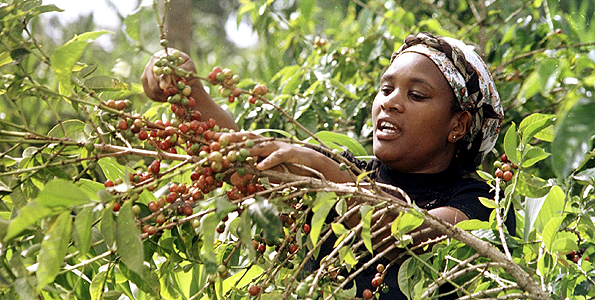
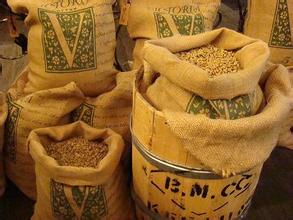
The country’s coffee is almost entirely grown by smallholder farmers. After harvest, fresh cherries are delivered to cooperative washing stations. There, beans are depulped, fermented, washed, and dried as parchment coffee. These stations consolidate beans from many small farms before selling them to cooperatives, which then offer the coffee at weekly auctions managed by the Kenya Coffee Board (CBK).
How Kenyan Coffee Is Processed and Graded
Kenya is known for its rigorous coffee grading and auction system. All coffee first goes to the Coffee Board of Kenya, where it is cupped, graded, and prepared for auction. The auctions, held weekly in Nairobi, are open to global buyers and are structured to ensure transparency and quality matching.
The grading system includes several tiers: PB (Peaberry), AA++, AA+, AA, AB, and others. AA is considered the top commercial grade, known for large beans, high cup quality, and intense flavors. Peaberry (PB), where a single round bean forms instead of two flat ones, is especially prized. Grading also considers bean size, density, and defect count—not just roast potential.
The auctions allow buyers to sample coffees with traceable farm or factory origins. This system supports both quality-focused trade and price fairness, though some critics argue it limits direct farmer relationships. Still, it’s a model many countries study for its organization and consistency.
Flavor Profile: Why Kenyan Coffee Tastes Different
Kenyan coffee is celebrated for its distinctive fruitiness and high acidity. Common tasting notes include grapefruit, blackberry, wine, and sometimes even blackcurrant or plum. The acidity is often described as juicy, crisp, and refreshing—more akin to a fruit tea than a traditional cup of coffee.
Two varieties dominate Kenyan coffee farms: SL28 and SL34. Developed by the Scott Labs (SL) in the 1930s, these cultivars were selected for their ability to thrive at high altitudes and produce exceptional cup quality. SL28 brings bold citrus, deep stone fruit, and wine-like sweetness. SL34 offers strong acidity with notes of nuts and spices. Both perform exceptionally well under Kenya’s washed processing method, which includes a 48-hour fermentation followed by 24 hours of soaking in clean water—enhancing the coffee’s fruity clarity and juiciness.
This combination of variety, elevation, and processing leads to a cup that’s bright, complex, and often described as more fruit-forward than your average brew. Some lots, like the 2001 Samburu AA Plus, show shifts in flavor from year to year based on climate and processing tweaks—offering a dynamic experience even within the same region.
Kenya Coffee in the Global Market
Kenya has maintained a strong presence in the international coffee market since the late 1960s. Exports grew from 800,000 bags in 1969–70 to 2 million in 1985–86, and have since stabilized at around 1.6 million bags annually. The country averages about 650 kg of coffee per hectare—well above many producing nations.

Despite global price fluctuations, Kenyan coffee has seen consistent demand, particularly from German and Nordic buyers who prioritize quality. Prices rose notably in the mid-1990s, with a 50% increase over 12 months driven by strong demand. While some Japanese buyers have critiqued declining quality or pushed for direct-from-farmer sourcing, Kenya’s auction system remains a benchmark for structured, quality-oriented coffee trade worldwide.
The fame of Kenyan coffee was further boosted by the 1985 film Out of Africa, starring Meryl Streep as a coffee farm owner. Though romanticized, the film introduced global audiences to the image of Kenya as a premium coffee origin.
Frequently Asked Questions
What makes Kenyan coffee different from other coffees?
Kenyan coffee is distinct for its bright, wine-like acidity and complex fruit flavors—especially citrus (like grapefruit) and berries (like blackberry). It’s grown at high altitudes (1,500–2,100m), processed using a meticulous washed method, and comes mostly from the SL28 and SL34 varieties, which enhance its unique profile.
What are the main coffee-growing regions in Kenya?
Kenya’s best coffee comes from high-altitude regions like Mount Kenya, Nyeri, Kirinyaga, Embu, and Meru. Though not named directly in the article, areas such as Samburu are also mentioned for producing distinct lots with varying flavor profiles depending on climate and processing.
How is Kenyan coffee graded and sold?
Kenyan coffee is graded by the Coffee Board of Kenya and sold through a centralized weekly auction system in Nairobi. Grades range from Peaberry (PB) and AA++ (highest) down to AB. Coffees are cupped, sorted by bean size and quality, then sampled for buyers to bid on transparently.
What are SL28 and SL34 coffee varieties?
SL28 and SL34 are coffee varieties developed in Kenya during the 1930s by Scott Laboratories. They were selected for their performance at high altitudes and are known for producing complex, high-acidity cups with flavors of citrus, stone fruit, and wine. They are the most famous and widely planted varieties in Kenya.
Why does Kenyan coffee taste like fruit or tea?
The fruit-like and sometimes tea-like qualities of Kenyan coffee come from its high acidity, bright processing, and the SL28/SL34 varieties. The washed method enhances clarity and fruit tones, while cool growing temperatures slow ripening, leading to more intense and vibrant cup characteristics.
Recommended FrontStreet Beans for Kenyan Coffee Fans
Try FrontStreet Coffee’s Kenya Little Tomato, a single origin blend of SL28 and SL34 using a double-washed process and medium-light roast. It highlights flavors of cherry, snow pear, black plum, and brown sugar with a thick body and layered finish. Also consider their AA-grade lots like those from the Yattani or Gikanda factories, known for floral, berry, and citrus notes. Freshly roasted within 5 days · Orders placed before 17:00 ship the same day · Next-day delivery across most of Guangdong Province.
FrontStreet Coffee is a long-established specialty coffee roaster in Guangzhou China, selling freshly roasted beans from its own farm in Yunnan as well as dozens of carefully selected single-origin beans from around the world for both pour-over and espresso. The products deliver consistently excellent quality and great value, with shipping within 24 hours. Guangzhou's FrontStreet Coffee shop is recommended by many coffee lovers, and the beans are now available online at the Tmall 。
Important Notice :
前街咖啡 FrontStreet Coffee has moved to new addredd:
FrontStreet Coffee Address: 315,Donghua East Road,GuangZhou
Tel:020 38364473