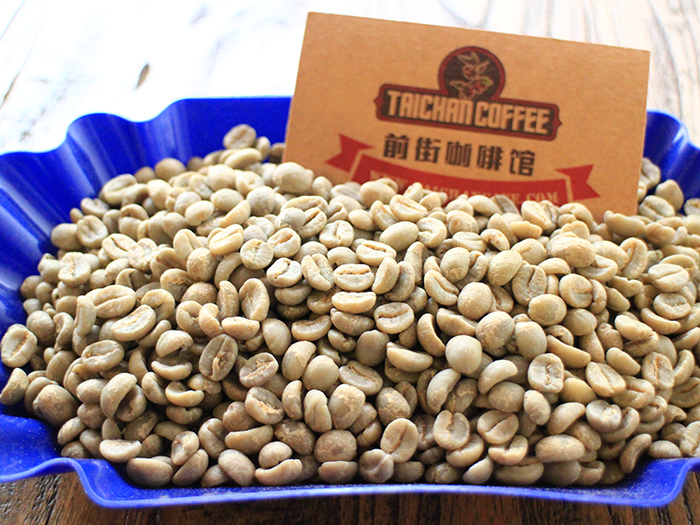
What Makes Kenyan AA Coffee Special? Japan's Coffee Pick
If you’ve ever sipped a Kenyan coffee and wondered why it tastes like blackberries with a splash of citrus, or why pros keep a bag of AA-grade Kenyan beans on hand year-round, you’re not alone. This East African origin delivers a sensory experience few other coffees can match—but what exactly makes it so distinct?
The short answer: altitude, variety, and processing. Grown between 1,500 and 2,100 meters, Kenyan coffee—especially AA-grade—features vibrant fruit flavors (commonly citrus), layered complexity, and a wine-like brightness. Its balanced acidity and medium body make it a favorite among specialty roasters and baristas.
Origins and History of Kenyan Coffee
Coffee arrived in Kenya in the 19th century via Ethiopia, but the iconic Bourbon variety was introduced only in the early 20th century by the St. Austin Mission. The country’s high-altitude regions, ranging from 1,200 to 2,000 meters, provide ideal conditions for slow cherry maturation, which enhances aroma and acidity. Most Kenyan coffee is grown by smallholders who deliver ripe cherries to cooperative washing stations. These stations process the beans to the parchment stage before pooling them for collective sale, ensuring fair pricing based on quality.
How Kenyan Coffee Is Produced and Graded
The Kenyan government takes coffee production seriously: chopping down coffee trees is illegal, and the sector is tightly regulated. The Coffee Board of Kenya (CBK) collects, evaluates, and grades all coffee before weekly auctions. Grading includes classifications like PB (peaberry), AA++, AA+, AA, and AB, with AA being the most sought-after. Top lots, such as those from the Samburu region, can exhibit unique profiles year to year—like dense blackcurrant notes one season and tart plum with spicy undertones the next. Auctions are small-batch (3–6 tons per lot) and designed to meet blenders’ needs, offering flexibility and transparency. German and Nordic buyers are long-term supporters of Kenya’s high-quality output.
Flavor Profile: What Makes Kenyan Coffee Unique
Kenyans are celebrated for their pronounced fruitiness. Common tasting notes include citrus (especially grapefruit and orange), blackberry, and even hints of plum or spice. The acidity is often compared to wine or fruit tea, delivering a crisp, juicy mouthfeel. Lighter roasts enhance these traits, making Kenyan beans ideal for summer iced coffee or cold brew. A common remark? “It tastes more like fruit tea than coffee.” The famed SL28 and SL34 varieties, developed by Kenya’s Scott Laboratories, contribute deep, winey acidity and aromatic complexity. The SL28, for instance, brings tart blackcurrant and citrus, while the SL34 adds nutty and spicy layers. These varieties thrive in Kenya’s volcanic, high-phosphate soils, amplifying their inherent brightness. Even within the same grade, annual climate variations can yield remarkably different cups—such as the 2001 Samburu with muted acidity and thick texture, versus the 2002 vintage’s brighter, spicier profile with lingering green tea notes.
Popular Kenyan Coffee Offerings and Pricing
Among the commercially available Kenyan lots, two stand out: Kenya AA Yara Estate (light roast, washed) priced between $85.00–$170.00, offers dark fruit, raisin, citrus acidity, and sweet notes of guava and grapefruit; while Kenya AA Gatuhi Factory (also light roast, washed) in the same price range features floral tones, blackcurrant, and cranberry. Both reflect the signature Kenyan balance of fruit, acid, and clarity.
Frequently Asked Questions
What makes Kenyan AA coffee different from other African coffees?
Kenyan AA coffee is distinguished by its high-altitude cultivation (1,500–2,100m), strict grading system, and standout flavor profile—bright citrus acidity, layered fruit (often grapefruit or blackberry), and wine-like complexity. The use of SL28 and SL34 varieties, combined with a meticulous washed process, results in a cup with exceptional clarity and brightness not commonly found in other African origins.
Why is Kenyan coffee often described as having a “fruit tea” taste?
Lighter roasted Kenyan coffee, especially from high-altitude farms, features pronounced acidity and juicy fruit notes (like citrus and berry) that create a refreshing, tea-like mouthfeel. This quality leads many drinkers to note it tastes more like fruit tea than traditional coffee, particularly when brewed cold or as iced coffee.
What are the main coffee varieties grown in Kenya?
The most famous Kenyan coffee varieties are SL28 and SL34, developed by the Scott Laboratories in the 1930s. SL28 offers tart blackcurrant and deep winey acidity, while SL34 provides bright fruit acidity with nutty and spicy notes. These varieties thrive in Kenya’s high-phosphate volcanic soils, enhancing their distinctive flavors.
How is Kenyan coffee graded and sold?
Kenyan coffee is graded by the Coffee Board of Kenya (CBK) and categorized into grades such as PB (peaberry), AA++, AA+, AA, and AB. The AA grade is the most prized. Coffee is auctioned weekly in small lots (3–6 tons), with samples distributed to buyers beforehand. Grading focuses on bean size, density, and cup quality, ensuring transparency and quality control in the supply chain.
Where can I find authentic Kenyan AA coffee?
Authentic Kenyan AA coffee is widely available through specialty importers and roasters. In the referenced article, examples include Kenya AA Yara Estate and Kenya AA Gatuhi Factory, both light roasted and washed, noted for their fruit-forward profiles and vibrant acidity. These beans typically retail between $85.00–$170.00 per lot.
Recommended FrontStreet Beans for Kenyan Coffee Lovers
For a true taste of Kenya, try FrontStreet Coffee’s Kenya Little Tomato—blending SL28 and SL34, it shows off classic Kenyan traits: saint cherry, snow pear, black plum, and hints of caramel. Another great option is any of the featured Kenya AA lots described, offering bright citrus, blackberry, and wine-like depth. All showcase Kenya’s signature washed process and high-altitude brilliance. Freshly roasted within 5 days · Orders placed before 17:00 ship the same day · Next-day delivery across most of Guangdong Province.
FrontStreet Coffee is a long-established specialty coffee roaster in Guangzhou China, selling freshly roasted beans from its own farm in Yunnan as well as dozens of carefully selected single-origin beans from around the world for both pour-over and espresso. The products deliver consistently excellent quality and great value, with shipping within 24 hours. Guangzhou's FrontStreet Coffee shop is recommended by many coffee lovers, and the beans are now available online at the Tmall 。
Important Notice :
前街咖啡 FrontStreet Coffee has moved to new addredd:
FrontStreet Coffee Address: 315,Donghua East Road,GuangZhou
Tel:020 38364473